
On October 9, 2026, TypeSafe AI, the developer of the non‑traditional AI model Jev, announced it had closed a $870 million Series A financing, valuing the company at $7.5 billion. The round was led by Andreessen Horowitz (a16z), with Sequoia Capital and early investor DCVC participating, and a16z general partner Martin Casado joining the company’s board. The financing came less than a month after Jev’s September 15 launch, making it one of the most notable recent capital events in AI.
Details
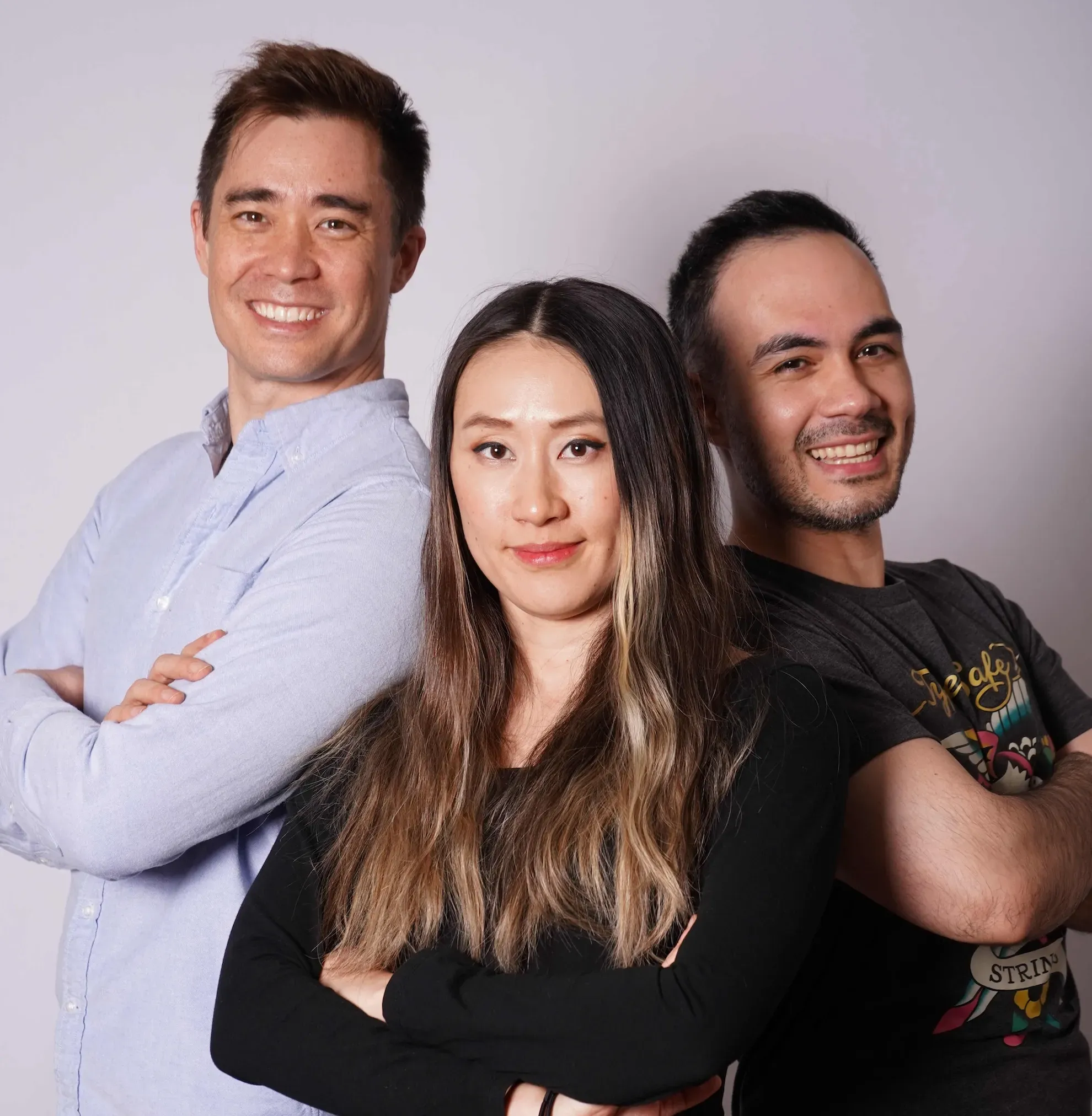
TypeSafe AI was founded in 2024. Its core team includes CEO Diogo Almeida (a former OpenAI researcher), CTO Erik Gafni and COO Sasha Sheng (a former Meta FAIR research engineer). The company previously completed a $40 million seed round led by DCVC in stealth, at a post‑money valuation of about $200 million. After Jev’s release the product quickly gained traction; the company says it has over one million users and has been adopted by roughly a third of Fortune 500 companies (a16z characterizes this as about 25%), and has saved customers millions of dollars in production.
Jev is not a traditional large language model (LLM). It is based on a Transformer architecture but abandons text generation in favor of outputting "calibrated decisions"—probabilities and confidence levels for predefined options. Developers define the question and answer types in advance, and the model returns a probability distribution over options in one shot so that systems can either take automated action or route to human review. TypeSafe says it trains Jev with a method called "Reinforcement Learning for Calibrated Decisions" (RLCD) and has developed a custom architecture to keep response times between 70 and 700 milliseconds—up to 200x faster than some leading LLMs—and to deliver up to 100x cost efficiency. Input pricing is $0.042 per million tokens, with outputs provided for free, significantly lower than input prices for mainstream LLMs.
Proceeds from the financing will be used to expand the "System One" model family (Jev is the first product), develop additional "machine‑native" models, and roll out enterprise features to meet large organizations' needs for security, compliance and integration.
Potential impact
1. Decision‑centric AI becomes a new category
Jev’s rapid rise and the size of the round indicate strong market demand for non‑generative models designed for automation, which could play a key role as AI agents are deployed at scale. Traditional LLMs excel at natural language interaction, but they are less efficient and more expensive in enterprise scenarios that require determinism, low latency and auditable decisions (such as risk control, approvals, scheduling and recommendations). By distinguishing "computer language" from "human language," TypeSafe could spur competitors focused on structured decisioning and pressure major players like OpenAI and Amazon to accelerate similar API offerings.
2. Capital chases viral AI products faster
Rising from seed to a $7.5 billion valuation in under a month highlights the speed and sentiment in current AI investment. Heavy backing from top firms like a16z and Sequoia reinforces the idea that early product‑market fit plus rapid commercialization can yield very high valuations. That dynamic may intensify competition among startups to achieve viral growth and enterprise adoption early.
3. Enterprise AI deployment paths may shift
If Jev’s low latency, low cost and high interpretability hold up in production, enterprises may migrate some automation workflows away from LLMs and onto decision models to reduce token consumption and hallucination risk. That could accelerate AI’s evolution from "chat assistants" to "reliable execution engines," especially in high‑frequency decision domains like finance, supply chain and customer service.
4. Risks and challenges
The company’s claims about adoption rates and cost savings have not been independently audited, and it is unclear whether current pricing is sustainable long term. Decision models also depend heavily on question framing and option design, so real‑world outcomes will rely on engineering and domain expertise. Competition is another factor: OpenAI and others have rapidly introduced similar decision‑style interfaces, and the space may become crowded faster than expected.
5. Implications for the AI landscape
The financing signals an acceleration of specialization from general‑purpose generation toward task‑specific decisioning. We may see a division of labor where generative models handle understanding and creation while decision models handle execution and operationalization. For investors and founders, demonstrating real production value rather than focusing solely on parameter counts or benchmarks will be the next critical step.
Overall, TypeSafe AI’s $870 million fundraising and $7.5 billion valuation reflect both Jev’s product momentum and the broader fervor in AI capital markets. Whether the company can consistently deliver on "faster, cheaper, more automation‑ready" promises will determine if it ushers in a new decision‑centric AI paradigm or becomes a high‑profile moment in another wave of elevated valuations.
▶️ Enjoy this piece? Creating content is hard!
Follow our YouTube channel:
AI Rosetta
Your likes, subscriptions, and shares are our greatest support! 🙏
More AI news at: https://www.airosetta.com