
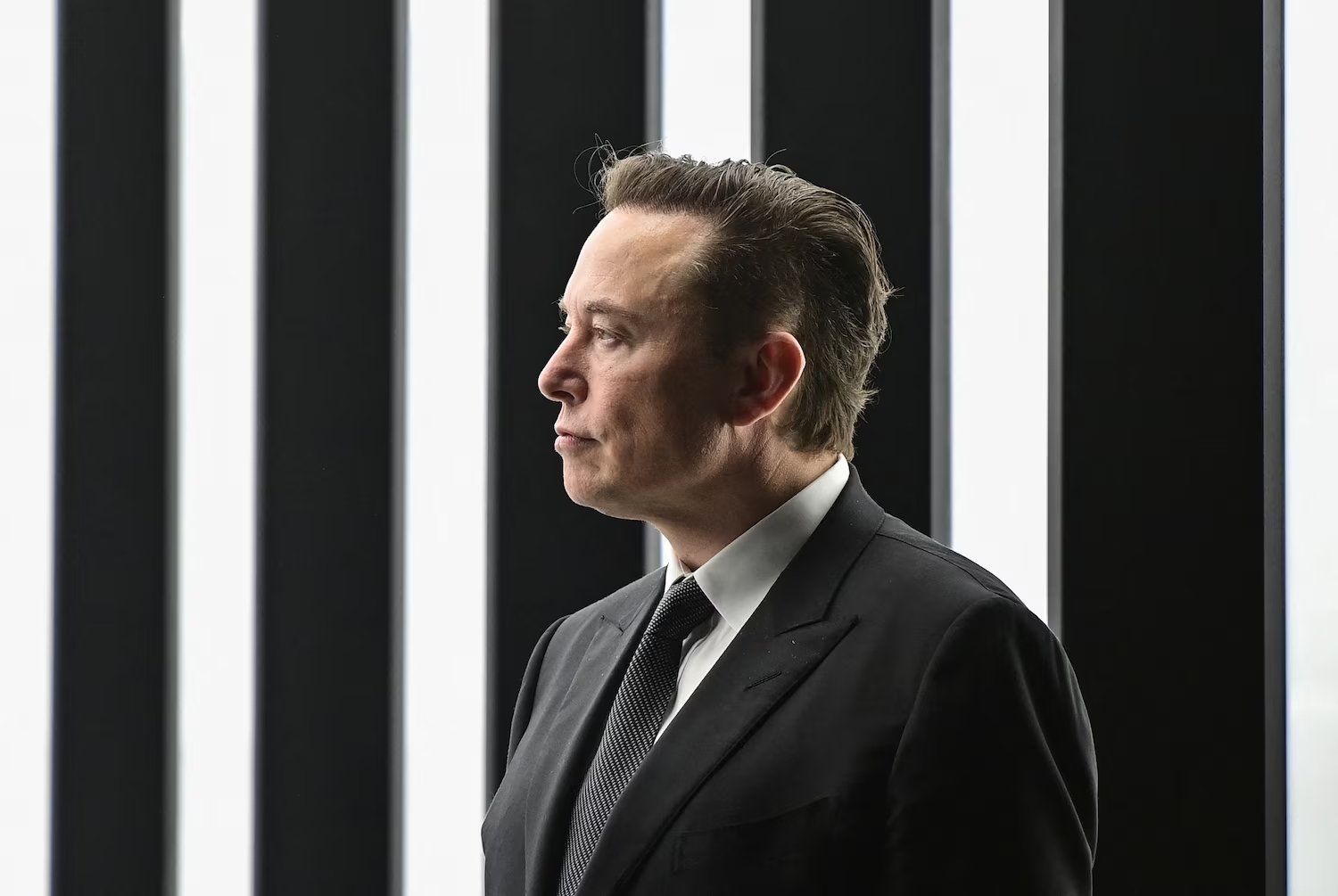
On September 5, 2025, Tesla's board disclosed in an SEC proxy statement a compensation package for CEO Elon Musk with a potential value of up to $1 trillion. The proposal is designed to incentivize Musk to lead the company toward a set of "super‑ambitious" goals, including raising market value to $8.5 trillion and mass‑producing Robotaxi and Optimus robots. After the announcement, Tesla shares rose 2.5% in after‑hours trading to $350, reflecting investor confidence in Musk's leadership. However, the sky‑high pay has also provoked controversy, with critics questioning its rationale and corporate governance implications. The proposal will be voted on at the shareholder meeting on November 6, 2025; if approved, it would set a record for the largest pay package in corporate history.
Background and history of the compensation plan
Compensation disputes at Tesla are not new. In 2018 the board approved a performance equity plan valued at $56 billion, structured around 12 market‑cap and operational milestones, with 1% of Tesla stock awarded to Musk for each achieved milestone. The plan was approved by shareholders in 2024 but was twice struck down by a Delaware court, which found that Musk had dominated negotiations and there were conflicts of interest. Tesla subsequently moved its state of incorporation to Texas to avoid adverse rulings. In June 2024 shareholders re‑approved the 2018 plan, and Musk received roughly 415 million shares (currently worth about $100 billion).
The new plan continues a performance‑oriented approach but on a larger scale and longer timeline. Board chair Robyn Denholm said in the statement: "Musk's unique vision is central to Tesla's success, and we need super‑sized incentives to keep him focused through 2030." The proposal was reviewed by an independent directors' committee to avoid the legal flaws of the 2018 plan. Tesla stressed that Musk has not received a salary since 2018 and that his wealth primarily comes from equity appreciation. Musk currently holds about 13% of Tesla (roughly $140 billion in value), though he has previously said he needs 25% voting power to retain control.
Plan details and target setting
Like the 2018 arrangement, the proposal would grant Musk about 423 million shares (currently valued at $143 billion), representing 12% of the company's outstanding stock. If Tesla meets all targets, those shares could be worth $1 trillion. The plan is divided into 12 performance milestones; Musk would earn a 1% stock award for each milestone reached. Key targets include:
- Market‑cap targets: starting at $2 trillion and increasing in $500 billion increments up to $8.5 trillion (current market cap $1.1 trillion).
- Operational targets: delivering 20 million vehicles, operating 1 million Robotaxi units, producing 1 million Optimus robots, and achieving $400 billion in adjusted EBITDA.
These goals have been described as "near‑impossible tasks" and would need to be achieved within ten years. Equilar's analysis shows that if market cap reaches $8.5 trillion, Musk's awards would represent about 12% of company value, with a total value near $1.02 trillion. Wedbush analyst Dan Ives called it "a long‑term bet on Musk, but the targets are extremely challenging." For example, Tesla delivered 1.8 million vehicles in 2024; reaching 20 million would require a tenfold increase, and Robotaxi and Optimus remain at prototype stages.
The proposal also requires Musk to remain for seven years and to divest xAI holdings to avoid conflicts. Tesla says the plan would accelerate the company's transition from an EV maker to an AI and robotics leader.
Market and analyst reaction
Following the announcement, Tesla shares ticked up and analyst views diverged. Ives maintained a "buy" rating with a $300 price target, saying the plan "deepens Musk's commitment." Tom Narayan of RBC Capital commented: "A $1 trillion figure sounds extravagant, but if the targets are met it could be a fair return." Critics such as Boston College law professor Brian Quinn argued: "This highlights governance issues; Musk's control is too strong." Dan Coatsworth called the amount "incredible," questioning whether one person is worth $1 trillion.
Investor response is mixed but some shareholders have been receptive: a similar plan in 2024 received 74% support. Institutional investors like Norway's sovereign wealth fund opposed the 2018 plan, but some may shift toward support this time given the perceived risk of Musk's departure.
Implications for Tesla and the AI industry
The plan will be submitted for consideration at Tesla's November 2025 shareholder meeting. If approved, it would consolidate Musk's control and push the company's AI transformation. The Robotaxi and Optimus targets emphasize AI hardware: the home‑robot market for Optimus is estimated to be worth up to $1 trillion by 2030. Tesla's Full Self‑Driving (FSD) software already integrates AI vision systems, and a 2025 Robotaxi rollout would test its capabilities.
The broader impact is significant: such a record‑breaking pay package could influence CEO incentive trends but also intensify regulatory scrutiny. The SEC may investigate potential conflicts of interest, and Delaware court precedents indicate legal risks. In AI, tighter ties with xAI could accelerate Tesla's pursuit of advanced AI, but Musk's political positions (including support for certain figures) have led to some customer attrition and a projected 5% sales decline in 2025.
From a global perspective, intense competition in China's EV market means Tesla must differentiate through AI. European emissions regulations could drive Robotaxi demand, but privacy concerns may slow deployment.
Conclusion
Tesla's $1 trillion pay proposal is a bold corporate move aimed at locking in Musk's leadership and transforming the company from an EV maker into an AI giant. The November vote will determine its fate: approval could reshape CEO incentives industry‑wide; rejection might trigger a Musk departure crisis. Either way, the episode underscores the governance challenges in the AI era, where balancing innovation and fairness will be critical. Observers will be watching closely.