
Recently, ByteDance stunned the world again with a revolutionary product. On February 7, the prerelease version of Seedance 2.0 was unveiled; this multimodal AI video generation model has been hailed as a dark horse that "surpasses Sora 2." As the parent company of TikTok's latest offering, Seedance 2.0 supports multiple input types — images, video, audio and text — enabling users to direct video creation with precision and generate anything from a single‑line description to a full movie‑level clip with one click. The model has sparked discussion domestically and helped lift China AI‑related stocks, marking a shift of AI video generation from experimental to more practical use. How will it reshape content creation? Here we analyze the appeal and potential of this AI "magician" in depth.
Origin and background: the latest manifestation of ByteDance's AI ambitions
Seedance 2.0 originated from ByteDance's Jimeng AI platform, designed for AI video creation and already serving millions of users. As a major product in ByteDance's generative AI portfolio, it builds on the company's vast data and algorithmic improvements rather than starting from scratch. As early as 2025 ByteDance released similar models, but Seedance 2.0 achieves a qualitative leap in multimodal fusion. The official description calls it a "truly controllable multimodal AI video model," allowing users to "reference any content, edit any element, create any scene."
Compared with OpenAI's Sora 2, Seedance 2.0 emphasizes "real‑world applications," such as generating realistic 1v1 basketball sequences that include microexpressions and motion details of players like LeBron James. A demo shared by a Reddit user on r/singularity shows the model handling complex dynamic scenes and outputting 1080p clips with quality comparable to professional film. Currently, Seedance 2.0 is open only to selected Jimeng AI users; the official API is expected to be launched around February 24, at which time developers will be able to access it via the platform. Discussions on Hacker News note that some third‑party sites such as seedance2‑pro.com have offered temporary access via premium accounts, but officials warn users to beware of fake websites.
The timing of this release is strategic: as global competition among AI video tools intensifies, ByteDance is using Seedance 2.0 to consolidate its dominance in short‑form video. Silicon Republic reported that the launch directly stimulated Chinese AI company stock prices, as investors bet on its commercial potential.
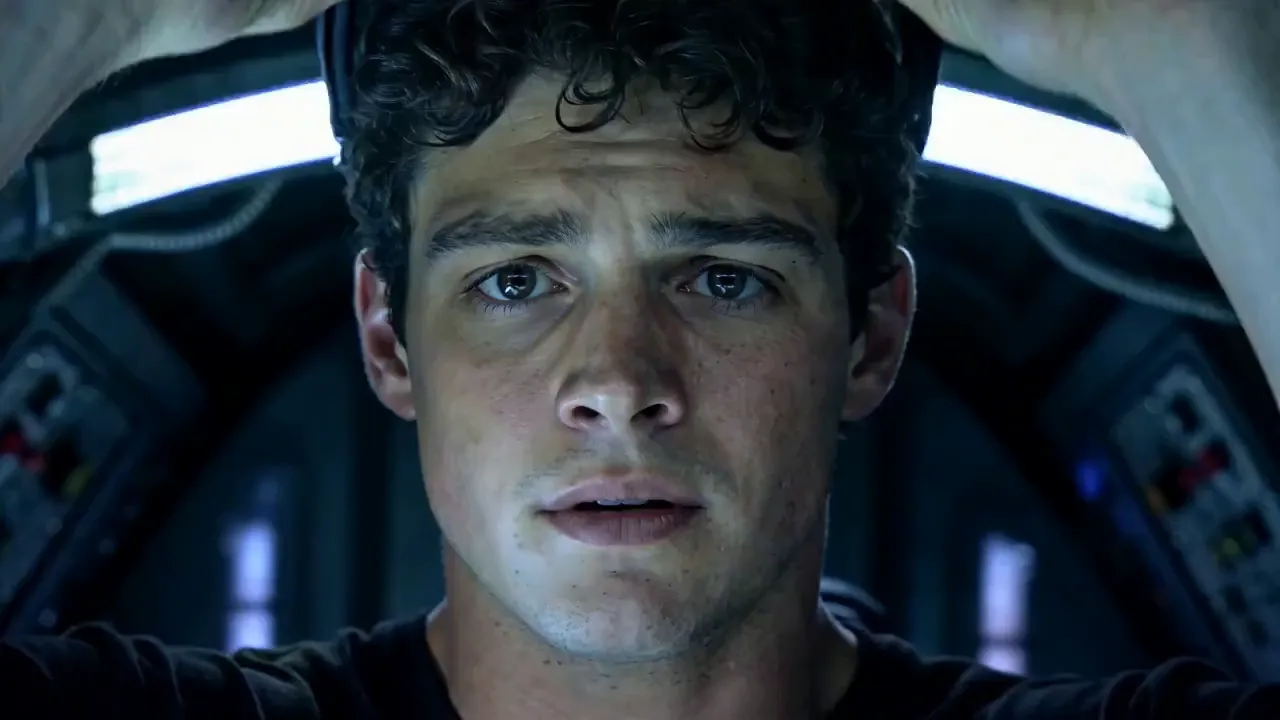
Core features: multimodal input and precise control
The standout feature of Seedance 2.0 is its multimodal support: users can input images, video, audio and text simultaneously to achieve "film‑level" production. Specific limits include up to 9 images, 3 videos (total duration no more than 15 seconds), 3 audio files (MP3 format, total duration ≤15 seconds), and a natural language prompt, with no more than 12 files in total. This means you can set a character's appearance with a photo, reference camera movement with a clip, drive rhythm with music, and describe the plot in text to generate a coherent short film.
The WaveSpeedAI blog provides a full guide explaining the model's "reference capability": it can precisely capture the motion, effects, characters, scenes and sounds from reference materials. For example, when generating a music video the AI synchronizes character dance to audio beats; in animation it maintains character consistency to avoid "face‑swapping." The Higgsfield platform highlights Seedance 2.0's "one‑click video recreation" — generating a complete video from a single‑line prompt, automatically handling multi‑camera narratives and frame‑level precision. A hands‑on review by YouTuber JSFILMZ shows the model performs especially well on complex scenes like sports events, producing lifelike 1v1 basketball footage.
Seedance 2.0 also includes seamless video extension functionality that can lengthen clips without losing continuity and automatically adapt outputs to social media, web or mobile formats. According to Dreamina, it supports native voice and singing generation to make videos more immersive. The workflow is simple: on platforms like Imagine.Art users input prompts or assets and the AI analyzes them and outputs high‑definition video. For professional users it offers API integration to streamline the workflow from concept to final edit.
Technical innovations: an AI engine from learning to generation
The core engine of Seedance 2.0 is trained on ByteDance's large‑scale data, learning from text, images, video and audio simultaneously. Unlike traditional tools, it emphasizes "controllability" — users can fine‑tune details via natural language instructions such as "slowly push the camera in to highlight the character's emotion." This is made possible by advanced motion synthesis technologies that simulate realistic physics and microexpressions to ensure professional‑quality outputs.
In community feedback, users on the Seedance AI platform cite its uniqueness as "community‑driven," with millions of creators sharing AI art and driving model iterations. Reviewers also note limitations: current video length is restricted (best suited for short‑form content) and the model is sensitive to input quality. Nonetheless, it has received wide praise in animation, music video and short‑drama production contexts.
Market impact: a catalyst for democratizing AI video
The launch of Seedance 2.0 comes amid explosive growth in the AI video market. A Goldman Sachs report predicts the AI‑generated content market could exceed $100 billion by 2030. For content creators, this lowers the barrier to entry: expensive equipment is no longer required to produce viral short videos. Higgsfield reports that over 5,000 users have tested the model, with feedback showing it can save hours of editing time.
The global impact is significant. The rise in Chinese AI stocks reflects investor confidence, while international developers on Hacker News are actively building playgrounds to get early access. Challenges remain, including copyright concerns and access restrictions — currently the service is mainly aimed at Chinese users and overseas access often requires proxies. JSFILMZ conceded in his video: "Seedance 2.0 is currently the best, but traditional methods still have advantages."
Future outlook: from short videos to feature films
Seedance 2.0 is not an endpoint but the starting point of ByteDance's AI ecosystem. Officials plan to expand duration support and integrate more modalities such as 3D. As the API opens, it could empower platforms like TikTok and Douyin and drive a new wave of user‑generated content (UGC). For ordinary users, that means turning an idea into a video in minutes.
In the AI era, Seedance 2.0 reminds us that technology is blurring the line between creator and director. Are you ready to "shoot" your story with AI? The model's potential is vast and worth following for every technology enthusiast.
▶️ Enjoyed this piece? Creating is hard work!
Support our YouTube channel:
AI Rosetta
Your likes, subscriptions and shares are our greatest support! 🙏
More AI news at: https://www.airosetta.com