
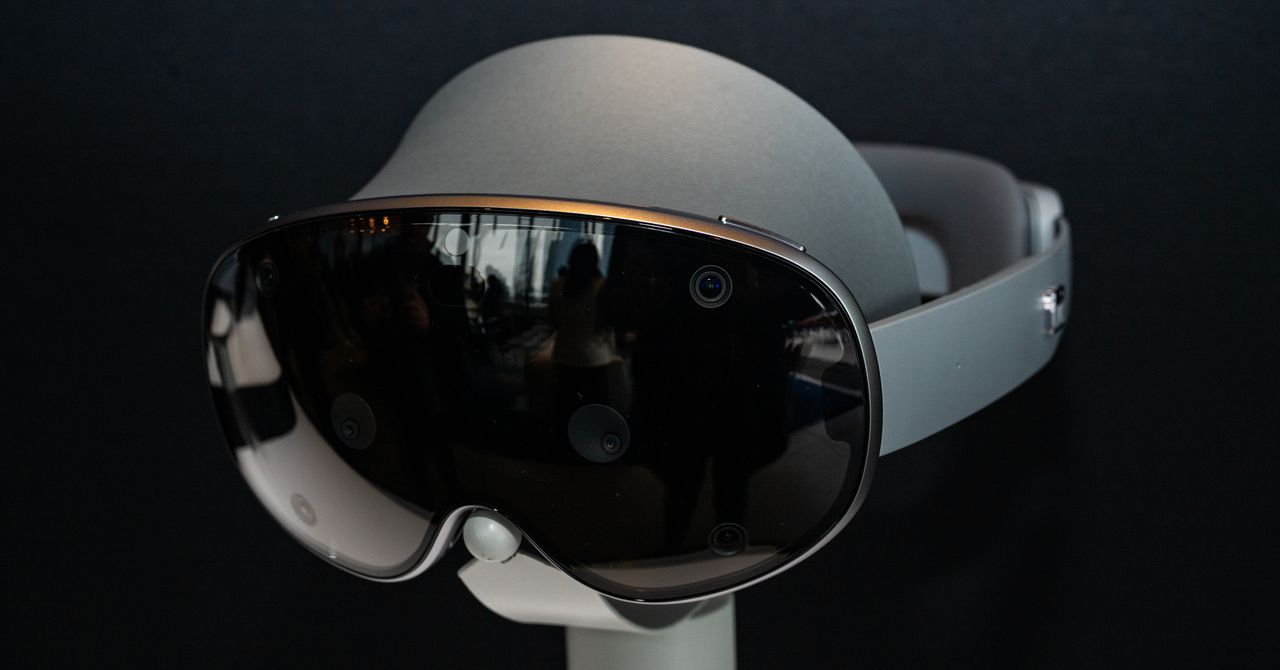
On October 21, 2025, WIRED published a detailed disclosure of Samsung's upcoming Galaxy XR: the mixed‑reality (MR) headset directly challenges Apple's Vision Pro on price — the official list price is $1,700 lower. The article frames price as the central variable in this new round of MR competition. For a mass market still blocked by high prices, Galaxy XR's pricing aims to lower the barrier to "entering XR."
Hardware and platform are the report's two main focuses. WIRED notes that Galaxy XR is based on Android XR, which means developers and users can leverage the existing Android ecosystem and services rather than being locked into a wholly new operating system. More importantly, Samsung has built Google’s Gemini into the device as a voice/AI assistant, so the headset's interactions are not limited to traditional gestures or controllers but can be handled through more natural voice and AI conversations for tasks like information retrieval, schedule management, or content search. The report repeatedly refers to the experience of "stepping into virtual waters" — a phrase that denotes both visual immersion and the smoothness of voice‑ and context‑aware interactions.
When describing the exterior, WIRED observes that Galaxy XR continues Samsung's industrial design language: a white shell, a wide fabric headband, and a prominent front‑module silhouette. Although the article does not quantify every hardware spec, it emphasizes that the manufacturer is attempting to balance weight, thermal management, and light transmission design to ensure comfort and visual clarity during extended wear. By contrast, the Vision Pro emphasizes high‑end displays and precise tracking, while Galaxy XR's strategy leans toward "usability + accessibility." Ecosystem and applications are another key thread of discussion.
WIRED argues that adopting Android XR will lower the cost of porting and developing third‑party apps, and the deep integration of Google services (including Gemini) means users can more easily transfer everyday internet workflows to the headset. The report also flags risks: a more open platform may introduce new privacy and data‑handling challenges, especially around continuous voice listening and the potential for immersive advertising.
The article closes by returning its gaze to market impact. In WIRED's view, even if Galaxy XR launches at the reported price, it is unlikely to fully displace Apple's leadership in high‑end immersive experiences in the short term, but it could produce significant shifts in user scale and developer attention.
For cost‑conscious younger users and those looking to integrate AI assistants into daily MR experiences, Galaxy XR offers a lower‑threshold entry point. In any case, this round of 2025 product launches appears to be pushing "mixed reality" out of specialist labs and into broader consumer scenarios.