
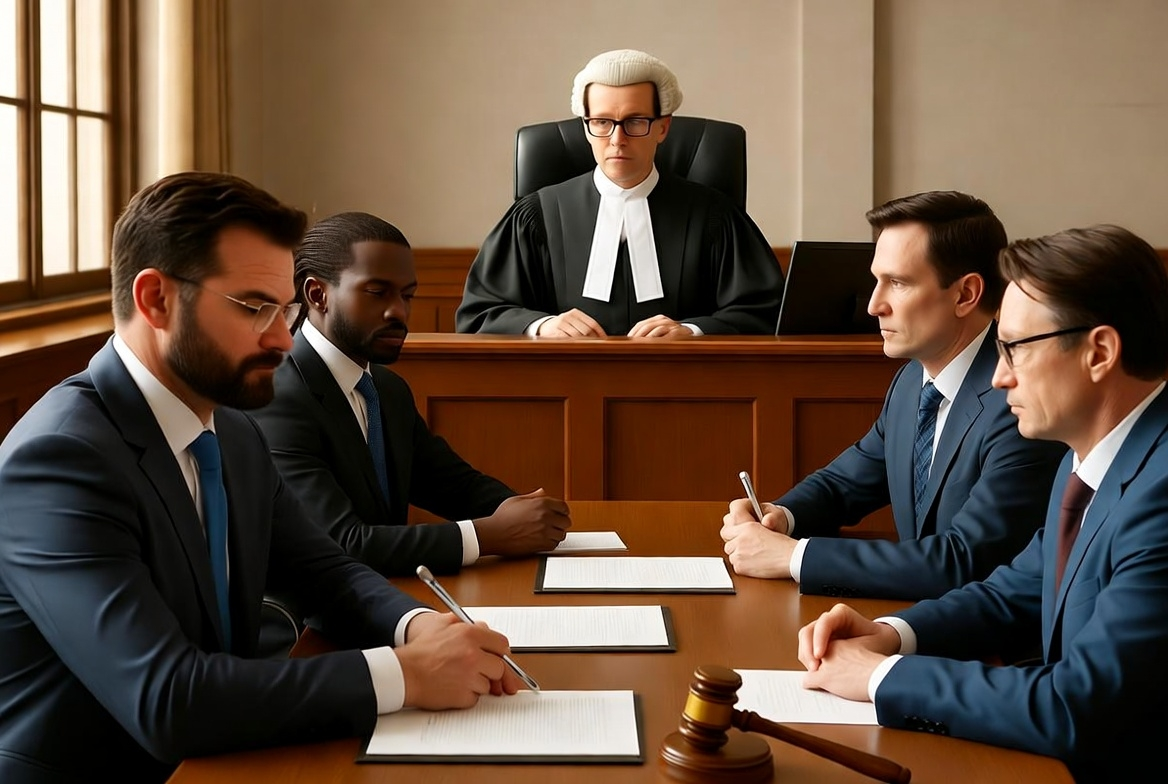
As sources for AI training data become increasingly constrained, the legal dispute between social platform Reddit and ChatGPT parent company OpenAI has intensified. In August 2025 Reddit initially filed a lawsuit against OpenAI as a single corporate plaintiff, accusing the company of illegally scraping data to train AI models. On October 22, Reddit formally converted its copyright suit against OpenAI into a class action, alleging that OpenAI mass‑scraped Reddit user‑generated content (UGC) without authorization to train its large language models (LLMs). The change not only raises potential damages into the billions of dollars but has prompted fresh reflection across the tech industry on AI’s data hunger. As a user‑driven content platform, Reddit says the move aims to protect creators; OpenAI argues the scraping qualifies as "fair use." The case could become a milestone in AI intellectual property law, testing the balance between technological innovation and content ownership.
Origin of the dispute: from data deals to courtroom clash
The tensions between Reddit and OpenAI date back to May 2024. OpenAI, an investor in Reddit, signed a three‑year, $60 million data licensing agreement that allowed access to Reddit’s public data API for model training. However, Reddit alleges in court filings that OpenAI had already used automated crawling tools before the deal to scrape millions of posts, comments and subreddit contents, totaling more than 100 TB. This allegedly included discussions from popular subreddits such as r/AskReddit and r/explainlikeimfive, which were directly ingested into GPT‑4 and subsequent training datasets. Reddit CEO Steve Huffman wrote in court documents: "We welcome lawful collaboration, but we will not tolerate theft‑like scraping. This not only violates user privacy but strips the platform of commercial value."
The key turning point came on October 22, 2025, when Reddit filed an amended motion to expand the case from a single‑plaintiff suit (Reddit, Inc.) to a class action representing millions of Reddit users and creators. Class members include active users, moderators and third‑party developers who claim OpenAI’s scraping led to the commercial exploitation of their content without compensation or authorization. Counsel estimates potential damages of up to $5 billion, based on OpenAI’s annual revenue (expected to exceed $10 billion in 2025) and an industry valuation of $5 million per TB of data. The expansion received approval from a U.S. federal court and follows precedents like the 2023 TikTok class action, aiming to amplify impact and bargaining power.
OpenAI quickly responded, calling Reddit’s allegations "factually unsupported." A company spokesperson said the scraped material was publicly available and falls under the principle of "fair use"—arguing that AI training is analogous to educational or research use and does not constitute infringement. OpenAI also stated that the proportion of Reddit content "memorized" by its models is below 1%, far under thresholds for direct copying. Chief Legal Officer Jason Kwon wrote on the company blog: "Innovation depends on the flow of public knowledge. We are committed to partnering with content owners, but class actions will only slow AI progress." Still, OpenAI suspended portions of its Reddit data access and launched an internal audit to avoid further disputes.
Technical and legal analysis: the gray area of data scraping
At the heart of the case is the lawful sourcing of AI training data. Stanford University’s 2025 AI Index report shows more than 90% of global LLM training datasets rely on web scraping, but only about 20% have explicit authorization. Although Reddit’s public posts are visible, its Terms of Service prohibit automated crawling unless accessed via the API under license. Reddit accuses OpenAI of using tools similar to Common Crawl and bypassing robots.txt, scraping at rates of thousands of posts per second. This has renewed concerns about "data toxicity": scraped content can include bias, misinformation or privacy leaks, amplifying the ethical risks of deployed models.
From a legal standpoint, the fair use test under Section 107 of U.S. copyright law will be central, weighing purpose and character of the use, nature of the work, amount taken and market effect. Reddit’s lawyers cite New York Times v. Microsoft (2023) to argue that commercial AI training goes beyond educational use. The class action invokes Federal Rule of Civil Procedure 23, allowing small‑claim content authors to pursue collective remedies. Analysts estimate Reddit’s chance of prevailing at trial at about 60%, though appeals could prolong the dispute into 2027. The EU’s GDPR‑like regimes are stricter; German publishers have already filed suits seeking fines against OpenAI, with penalties potentially up to 4% of model revenue.
Ethically, the dispute highlights concerns about “data colonialism.” Reddit’s user‑generated content is core to the platform: in 2025 Reddit reported over 500 million daily active users and a total post corpus of about 2 trillion entries. That content has been transformed into ChatGPT’s "knowledge" without revenue sharing for original authors. Independent creators and influencers complain: "Our labor has become AI’s free lunch." Harvard Law professor Rebecca Tushnet likens the situation to the Napster era in music: technological progress should not come at the expense of creators. Defenders of OpenAI counter that strict licensing requirements could stifle open AI development and entrench large incumbents such as Google.
Industry ripple effects: from cooperation to regulatory waves
Reddit’s class action has produced ripple effects. In late October 2025, platforms including Stack Overflow and Medium filed similar suits against OpenAI and Anthropic, alleging scraping of code and articles for model fine‑tuning. Publishing giants News Corp and Axel Springer have demanded "data rent" payments from OpenAI, with negotiations reportedly in the hundreds of millions of dollars. At the same time, cooperative deals have emerged: Reddit signed a new agreement with Google that will provide about $200 million annually in data revenue, boosting Reddit’s 2025 top line by roughly 30%. OpenAI is accelerating shifts toward licensed data, including an exclusive deal with the Associated Press to reduce litigation exposure.
For AI startups the case is a warning. Competitors such as Perplexity AI and xAI have publicly adopted "zero‑scraping" policies, shifting to synthetic data and user‑contributed datasets. Investors have reacted unevenly: VentureBeat reported a 15% month‑on‑month drop in AI funding in October, with capital favoring projects with stronger compliance postures. Regulators are moving as well: the U.S. Congress is planning an "AI Data Transparency Act" in 2026 that would require models to disclose training sources; China’s Generative AI regulations already prohibit unauthorized scraping, with fines up to ¥100 million RMB.
The broader impact may change user behavior. A Reddit r/ChatGPT survey showed 40% of respondents worried about privacy and considered switching to self‑hosted AI tools. The class action mechanism has also empowered individuals: Reddit launched a "Content Rights Portal" to let users track scraping records and join the suit. This could accelerate a "creator‑economy 2.0," with platforms like Substack integrating AI revenue‑sharing to ensure authors benefit.
Outlook: a crossroads between innovation and fairness
The Reddit v. OpenAI class action is more than a legal battle; it marks an inflection point for the AI ecosystem. It forces the industry to confront whether data should be hoarded like oil or remain as freely flowing as air. A Reddit victory would set an "authorization‑first" precedent, likely requiring OpenAI to pay large settlements and reshape training pipelines. If OpenAI’s fair use defense succeeds, it would clear the way for broad scraping but likely provoke further backlash.
In the global AI race the case underscores divergences among the U.S., EU and China: the U.S. favors market‑driven approaches, the EU emphasizes privacy, and China prioritizes national‑security concerns. Ultimately the outcome will hinge on the evidentiary record—Reddit has submitted scraping logs and model output samples, while OpenAI’s rebuttal will rely on technical audits. Regardless of the verdict, the dispute should benefit user rights and long‑term innovation governance. Reporters will continue to follow court developments closely; a preliminary ruling in spring 2026 may provide an early indicator. The unfolding storm is a reminder that the AI golden age needs principled safeguards.