
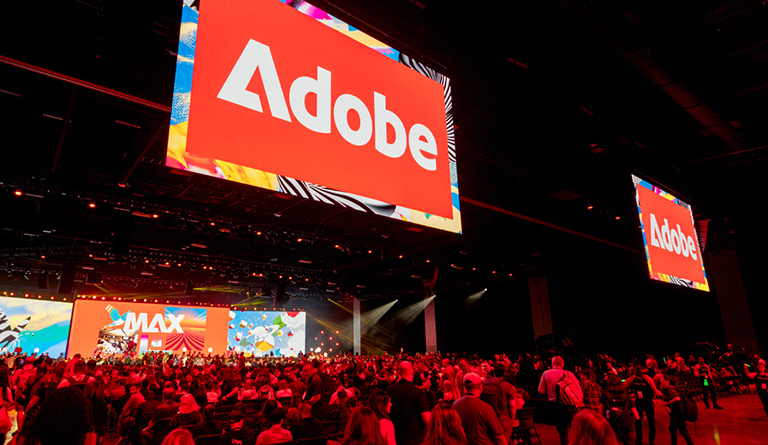
Release date and background: Adobe formally showcased the AI‑driven video editing system codenamed "Project Frame Forward" at its October 2025 presentation. The demo coincided with Adobe's annual creative conference, positioning the product as a tool to "accelerate the process from footage to rough cut and help editors settle structure faster."
Core features and workflow: Project Frame Forward is not a single filter or an auto‑coloring plugin but an editing engine centered on the time dimension. In the demo Adobe showed how the system detects shot boundaries on the timeline, automatically suggests cut points and, based on context, generates interpolated frames or natural transitions to reduce the need for manual fine‑tuning at every cut. Demo material included dialog scenes and multicam footage; the system can smooth breaks caused by spoken pauses or jump cuts into a coherent viewing experience, or output review‑ready rough cuts that follow story pacing.
Integration with existing toolchain: Adobe emphasized that Project Frame Forward will integrate closely with its creative ecosystem, allowing seamless ingestion of assets within Creative Cloud and writing edits back to the timeline. The demo showed users triggering AI suggestions on a Premiere Pro–style timeline, accepting or reverting automatic adjustments to individual edit points so final decisions remain with the creator.
Target users and efficiency goals: Adobe positions the project for content teams and independent editors who work with large volumes of long‑form or multicam material. By delegating repetitive tasks such as "finding beats, removing redundancy and creating transitions" to AI, editors can spend more time on shot selection, pacing and visual style. The demo showed a clear speedup from rough cut to reviewable version, offering productivity gains for both short‑form creators and long‑form post teams.
Control, copyright and privacy: In the live presentation Adobe noted it will provide creator controls so users can govern asset usage and model behavior. The company said it will provide clearer documentation later about training‑data sources, labeling of generated content and user‑data protections, stressing it will not trade away creator rights for automation.
Technical highlights and practical limits: The demo highlighted Project Frame Forward's "temporally aware generative capability" — the system models semantic relationships across frames, not just single‑frame pixels, to decide how to interpolate frames or extend motion. Adobe also acknowledged that AI outputs still require manual correction for complex actions, extreme lighting or highly stylized shots; the system is intended as an "accelerator" rather than a one‑click finalization tool.
Industry significance: If delivered as demonstrated, the tool could directly affect editing‑room workflows, particularly in news, short‑form and indie filmmaking. Automating rough cuts lowers the barrier to entry and may change team roles; for platforms and rights holders, balancing efficiency with creator rights will be the next major discussion.
This release puts Adobe's ambitions at the intersection of AI and video editing on display: Project Frame Forward uses "time" as its entry point, aiming to hand the most tedious editing tasks to machines while preserving creative control so human creators can focus on storytelling that moves audiences.