
OpenAI on October 31, 2025, rolled out two core feature upgrades for its Sora app: reusable "Characters" (Characters/Cameo) and "video stitching". The new features go beyond single‑shot short clips by turning user‑created avatars and clips into manageable, callable assets, suitable for creators who want continuous narratives, series of short videos, or repeated use of the same persona across different scenes.
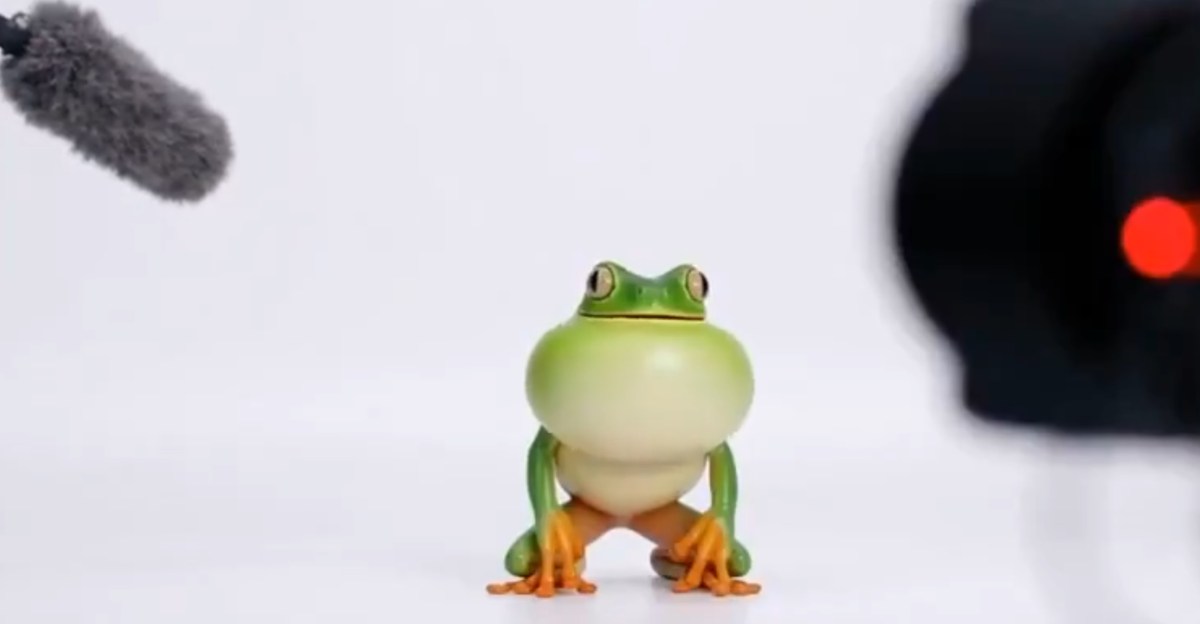
On the "Characters/Cameo" side, Sora now lets users create a reusable virtual avatar by uploading photos, filming real objects, or using text prompts directly in the app. OpenAI emphasizes the availability of "almost anything" — from human faces, pets and dolls to still‑life objects — all can be processed into characters that maintain a consistent appearance and motion style in subsequent videos. Once created, these characters are saved to the app's character library, where users can call them across projects to reduce repeated setup time.
The "video stitching" feature is designed to turn multiple generated short clips into a coherent longer video. Sora adds stitching logic to the generation workflow: it attempts smarter handling of scene transitions, character continuity and timeline consistency so that transitions between generated segments feel more natural. For creators, this means they can produce complex narratives in segments (for example, shooting different actions across shots) and have Sora automatically compose them into a complete video, eliminating much of the manual post‑editing.
The combined use case is straightforward: you can turn a friend's photo into a character, generate an opening shot, then several middle and ending shots, and finally stitch them into a complete short film with the character's appearance and tone remaining consistent across segments. Sora's character library also supports repeated edits and replacements, allowing creators to fine‑tune a character and propagate updates across existing projects.
The Verge reported that this update appears to move Sora from a "one‑off generation tool" toward an "asset and asset‑management platform," while targeting improved efficiency in short‑video workflows. For creators who publish serialized content and short‑film directors, these changes can significantly reduce repetitive work and improve consistency across works.
However, as "almost anything" can be converted into a reusable avatar, related ethical and safety issues have resurfaced: how to protect subjects' portrait rights and how to prevent misuse of unauthorized images are topics that platforms and regulators must address together. The report notes that OpenAI maintains its content policies and usage restrictions in the update, but specific review details and technical implementations have not been fully disclosed.
On sharing and export, Sora continues its mobile‑first design: creators can preview composite results in the app and export videos for social media or further post‑production. For younger creators, the October 31, 2025 update both expands creative possibilities and lowers the barrier to generative video production.
OpenAI's iteration combines an "assetization" approach with a focus on "coherent narrative," meeting demands for efficiency while exposing new content‑governance challenges. In the coming weeks and months, how these features perform in real creative scenarios and how the platform responds on privacy and abuse prevention will be key areas to watch.