
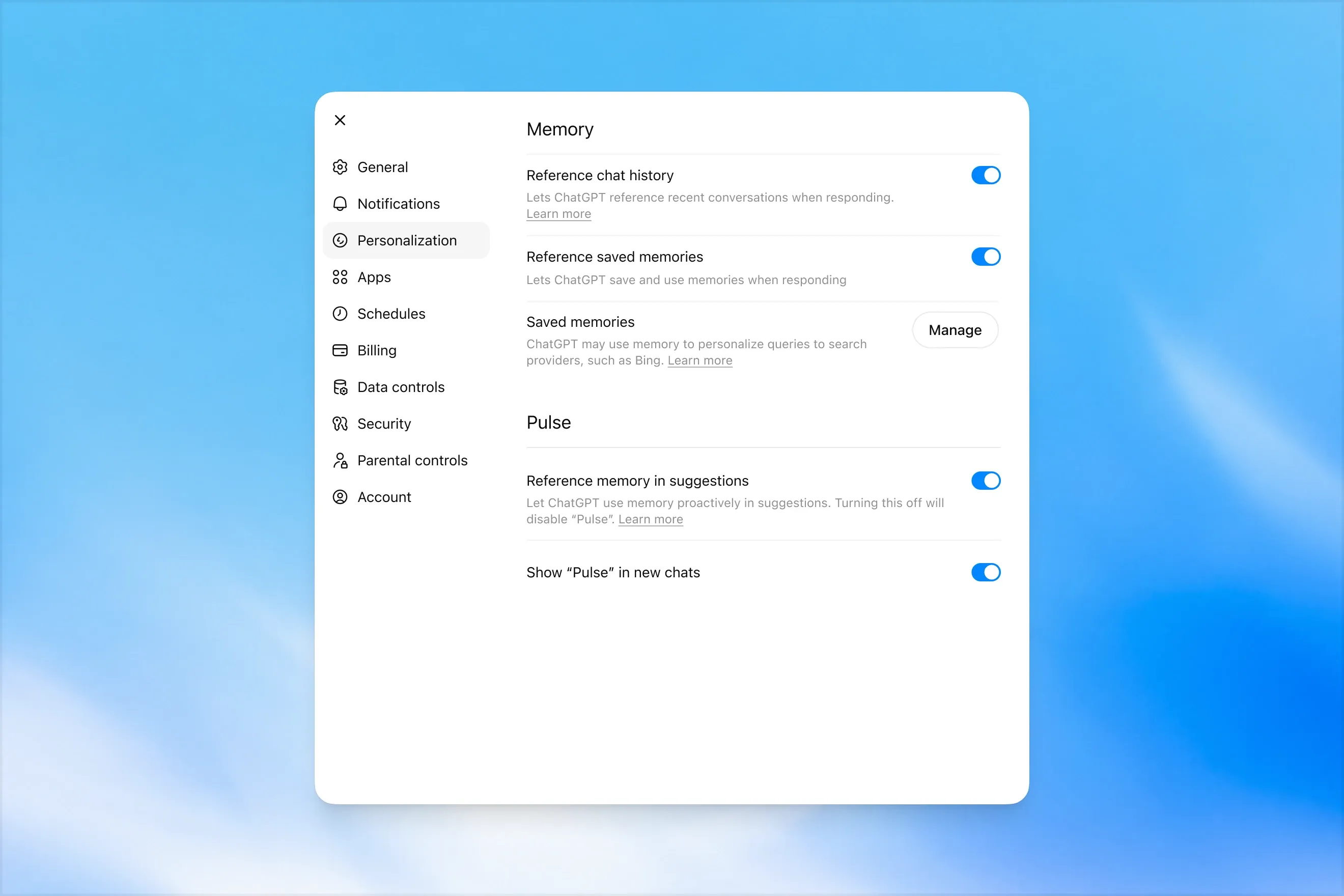
On June 4, 2026, OpenAI announced a major architectural upgrade to ChatGPT's memory capabilities, launching a memory system based on the new Dreaming V3 mechanism. OpenAI described the upgrade as the start of a “Memory 2.0 era”, with the core goal of thoroughly addressing two long‑standing user pain points—outdated memories and insufficient accuracy—while greatly enhancing the system's scalability and stability at a scale of hundreds of millions of users.
OpenAI wrote on its official blog: "The previous memory system was more like a simple 'notebook,' while Dreaming V3 gives ChatGPT's memory a 'human‑like thinking' ability. It is no longer passive storage but actively organizes, links and updates."
Key innovations of the Dreaming V3 mechanism
Dreaming V3 is OpenAI's third major iteration in memory technology, inspired by the brain's memory‑consolidation processes during sleep (Memory Consolidation during Sleep). The system includes three core modules:
- Dynamic Memory Graph Traditional memory systems often use linear storage and can create information silos. Dreaming V3 builds a dynamic knowledge graph that links new conversations with historical memories across multiple dimensions in real time. When a user mentions a past topic, the system no longer performs simple retrieval but uses the graph to quickly find relevant context, enabling more natural long‑term memory access.
- Active Dreaming Integration This is the central innovation of Dreaming V3. During periods of user inactivity (overnight or extended gaps), the system runs in a low‑power "dreaming" mode in the background to organize, denoise and update existing memories. This process, analogous to human sleep‑based memory consolidation, effectively addresses issues of memories becoming outdated or contradictory. For example, if a user mentioned a preference months earlier, the system will proactively validate and update that memory's weight based on subsequent conversations.
- Tiered Accuracy Verification The system introduces a three‑tier verification mechanism: short‑term memory (frequently updated), mid‑term memory (periodically checked) and long‑term memory (deeply integrated). Each time a memory is invoked, the model automatically assesses confidence; low‑confidence content will be flagged or the system will proactively ask the user to confirm or update it.
Practical effects and user experience improvements
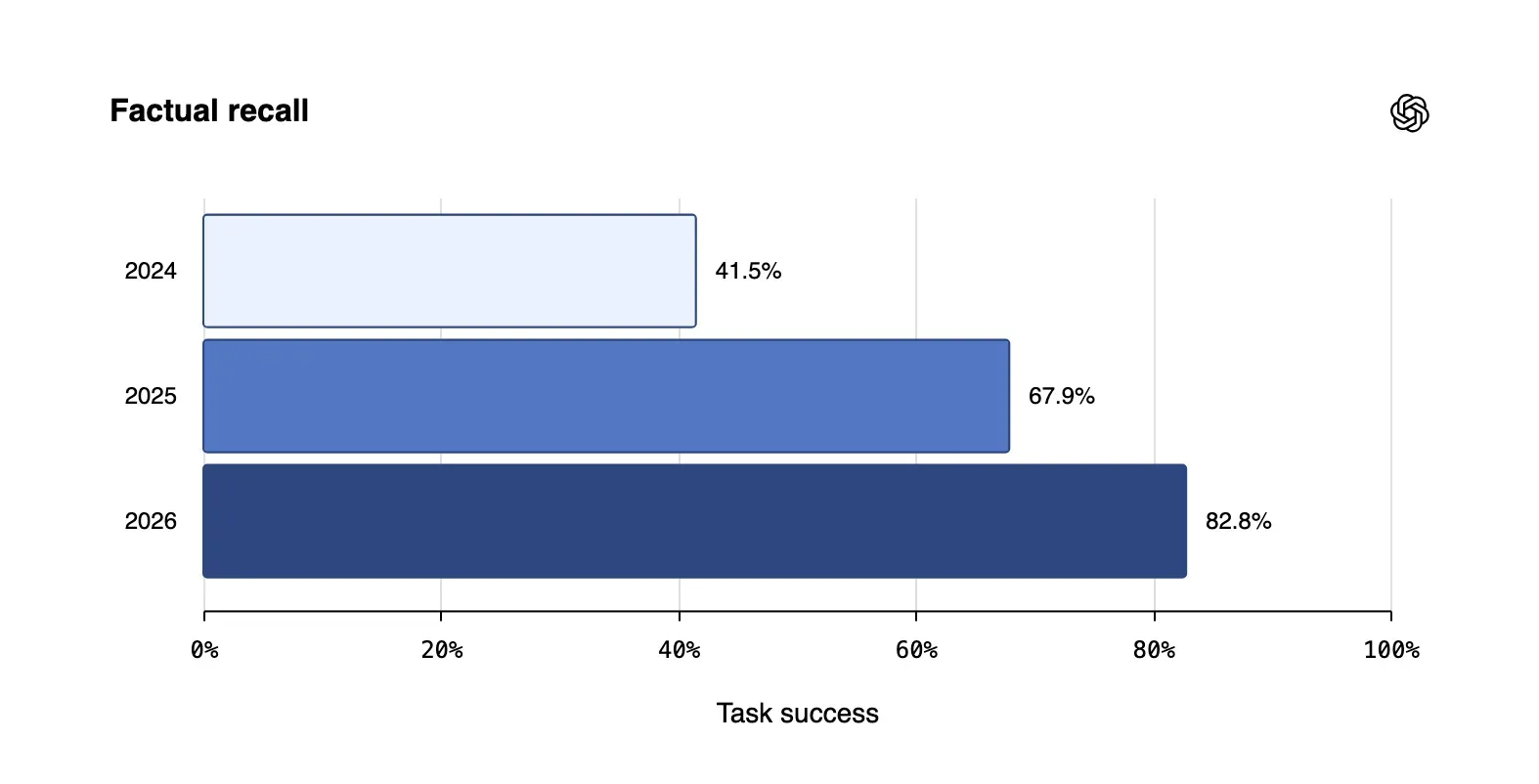
According to OpenAI's internal tests and early user feedback, Dreaming V3 delivers notable improvements:
- Memory accuracy has increased substantially, with far fewer instances of "misremembering" or forgetting important details in long‑term conversations.
- Contextual coherence has been significantly enhanced; when users resume conversations after months, the AI can naturally pick up prior context with little to no need for repetition.
- Large‑scale service capability: the new system uses a distributed memory architecture so that even with hundreds of millions of users online concurrently it can maintain low latency and high stability. Per‑user memory capacity has expanded from a limited number of entries to near‑unbounded levels (subject to storage limits).
An early tester said: "ChatGPT used to frequently forget important preferences I mentioned months ago. Now it not only remembers them but proactively links new information—it's like talking with a friend who truly 'remembers.'"
Technical significance and industry impact
The launch of Dreaming V3 represents a strategic breakthrough for OpenAI in long‑term memory and personalized AI. Memory functionality has long been a weak point for ChatGPT, with users often complaining about the AI's poor recall. This upgrade not only addresses that issue but also lays the groundwork for future personalized super‑agents.
From an industry perspective, the upgrade further widens the user‑experience gap between OpenAI and some competitors. While Anthropic's Claude remains strong on safety alignment, it still lags in natural long‑term memory and large‑scale service stability. Google's Gemini series has multimodal advantages, but its depth of personalized memory has not yet reached Dreaming V3's level.
At the same time, the upgrade raises higher requirements for AI privacy protection. OpenAI emphasizes that all memory data is encrypted on the user side and provides "one‑click forget" and "memory partition" features, giving users full control over their memory data.
Outlook
OpenAI says Dreaming V3 is only the beginning of memory‑system upgrades. Future plans include "cross‑device memory synchronization," "multi‑user shared memories" (family/team modes) and "memory visualization" features to make ChatGPT a genuinely long‑term, trusted intelligent companion for users.
As Dreaming V3 is rolled out, hundreds of millions of ChatGPT users can expect smarter, more coherent and more personalized conversational experiences. This marks an important shift for AI from merely "speaking" toward "remembering, thinking and growing."
▶️ Enjoy this article? Creating it takes real effort!
Follow our YouTube channel:
AI Rosetta
Your likes, subscriptions and shares are our greatest support! 🙏
More AI news at: https://www.airosetta.com