
In late June 2026, OpenAI Codex users collectively reported an accelerated quota consumption issue. According to multiple ChatGPT paid users, Codex weekly allowances have recently experienced a "plunge"—even with almost no active use, quotas could drop rapidly from 96% to zero within a short time. In response to mass paid‑user reports that quotas were "rapidly resetting to zero with almost no usage," OpenAI quickly formed a special investigation team to conduct an emergency review. The incident has become a heated topic in the AI developer community, underscoring challenges around metering accuracy and system stability for generative AI tools under high‑demand scenarios.
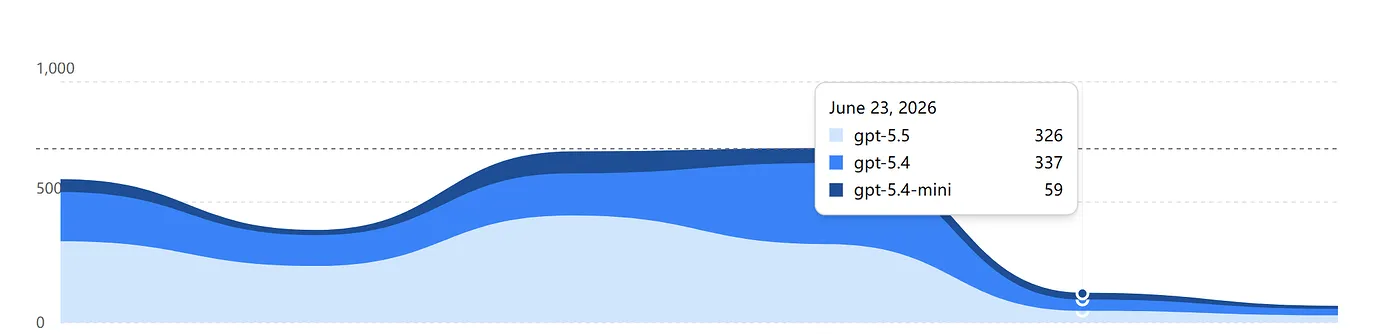
According to OpenAI Codex product lead Tibo Sottiaux and updates on the company status page, since last week Codex weekly quotas have shown abnormal rapid declines for some users, with instances of "dropping from 96% to 0% within a day." The company has opened a "war room" to review system logs and implemented a global quota reset for all users as a temporary mitigation.
Cause: Background Metering Anomalies and Potential Bug Overlap
Based on public information and community feedback, the primary suspected causes of the abnormal quota consumption include:
- Background automated tasks consuming quotas: Codex features such as auto‑review, sub‑agent workflows and suggested retry mechanisms may run continuously without direct user action, producing hidden token usage.
- Metering system bugs: Some users reported cached tokens, failed requests, or specific model calls being incorrectly counted toward quotas. OpenAI's internal investigation indicates possible asynchronous reconciliation issues with quota counters or false positives from abuse‑prevention systems.
- Recent feature updates: New features introduced since May—multi‑agent collaboration, long‑context optimizations and others—while improving capability, have increased token metering complexity.
OpenAI has confirmed that some issues originated from backend changes and has intervened with hotfixes and quota resets. The company emphasized that the special team will focus on log review, metering‑logic optimization, and strengthened monitoring to prevent regressions.
Direct Impact: Damaged User Experience and a Trust Crisis
Impact on developers:
- Workflow disruption: As a core tool for code generation and agent programming, Codex quota anomalies have forced developers to interrupt workflows while waiting for weekly resets or plan upgrades. Many heavy users reported that same‑day quota exhaustion severely impacted iteration velocity.
- Increased costs: Some users purchased additional allowances or upgraded to higher‑tier plans ahead of schedule to maintain work, raising their AI‑tooling costs.
- Declining trust: Repeated incidents may erode developer confidence in OpenAI products and drive migration to competitors such as Claude Code or Cursor.
Impact on OpenAI:
- Reputational pressure: As a leading AI company, Codex's stability is closely tied to enterprise user retention. Though technical in nature, the incident exposed shortcomings in metering accuracy under high‑concurrency conditions.
- Higher operating costs: Emergency quota resets, full‑system investigations and task‑force operations consumed substantial engineering resources in the short term.
- Business‑model stress test: Recurring issues could force OpenAI to adjust pricing or quota‑calculation rules, affecting subscription revenue forecasts.
Impact on the broader AI tool ecosystem:
- Opportunities for competitors: Rivals such as Anthropic and Google may seize the moment to highlight the stability of their tools and accelerate market share gains.
- Drive for industry standards: The event may push AI‑tool providers to improve metering transparency and drive adoption of auditable usage logs and fair metering standards.
Follow‑up Actions and Industry Lessons
OpenAI says the special team has deployed multiple fixes, including:
- Optimizing resource‑use logic for auto‑review processes and sub‑agents.
- Improving billing rules for failed requests and cached tokens.
- Providing additional quota resets as compensation and enhancing real‑time monitoring.
The company pledged to publish more detailed investigation results and permanent fixes in the coming days. The Codex team is maintaining communication with affected users, and some Pro customers have received manual quota adjustments.
Industry takeaway: This incident reiterates that the rapid advancement of generative AI must be matched by infrastructure reliability. LLM vendors should prioritize user‑experience details—especially metering fairness and system stability—alongside capability improvements. Developers are advised to adopt hybrid‑tool strategies for heavy‑use scenarios and closely monitor official updates.
As AI programming tools like Codex become standard for developers, balancing capability gains with service reliability will remain a long‑term challenge for OpenAI and the wider industry. In the future, transparent metering mechanisms and rapid‑response processes may become new battlegrounds in AI tool competition.
▶️ Enjoyed this piece? Creating content is hard work!
Please follow our YouTube channel:
AI Rosetta
Your likes, subscriptions and shares are our greatest support! 🙏
For more AI news visit: https://www.airosetta.com