
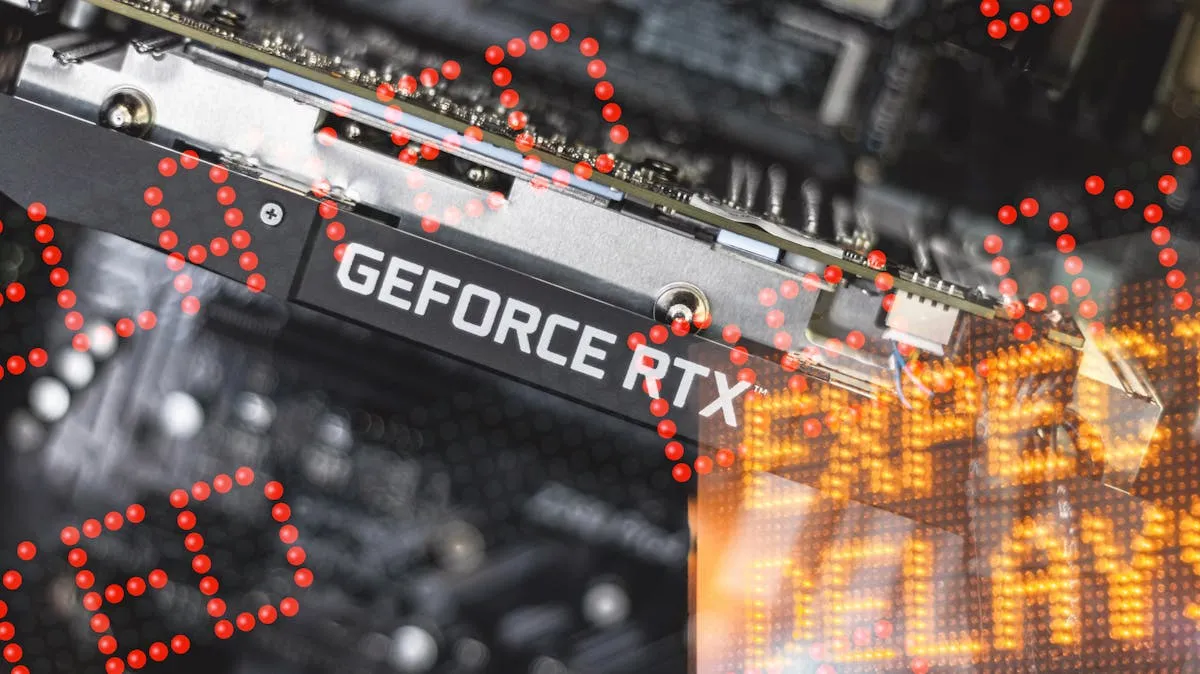
In February 2026, The Information reported that Nvidia plans to delay the release of its next‑generation gaming graphics chips, not because of architectural development issues but due to a global memory (memory chip) shortage. Two people directly familiar with the matter told the outlet that as AI training and data centers snap up high‑bandwidth memory (HBM) and other high‑end memory, capacity originally intended for desktop and laptop GDDR memory has been largely reallocated, making it difficult for Nvidia to secure the VRAM needed for new gaming GPUs.
The report says this would be the first time in nearly 30 years that Nvidia would go a full year without launching a new gaming chip. Internally, the company has reprioritized resources toward data center and AI‑related modules, giving precedence to the memory needs of large accelerators such as the H100. Memory foundries and suppliers, including Micron, Samsung and SK Hynix, have favored capacity allocation to higher‑margin, fast‑growing server‑grade products, which has affected GDDR supply for consumer gaming cards.
For gamers and system integrators the short‑term impacts are concrete: delayed new cards will extend the lifecycle of the current generation, keep prices high on the secondhand and scalper markets, and may cause OEMs to postpone new system launches due to component shortages. Industry sources say rising memory prices and unstable supply will force GPU vendors to make trade‑offs across product lines, inventory and pricing.
The report also notes that Nvidia has not halted technical progress: the company's data center roadmap continues to accelerate, and new architectures and large AI chips are being prioritized for resources. This strategic choice reflects how AI demand is reshaping the semiconductor supply chain: not only wafer fabs but also memory capacity allocation has become a critical variable for whether consumer hardware can be launched on schedule.
Gamers hoping to upgrade in 2026 should be prepared for delays: timelines for new cards are being pushed back and prices and availability of older cards will continue to fluctuate. Over the longer term, if the memory supply‑demand imbalance does not ease, the gaming market could face longer generational transitions and adjustments in vendor strategies.
The Information's sources did not disclose an official public timeline from Nvidia, only that the company has shifted its resource focus toward AI and data centers. Observers warn that repairing the memory supply chain will require coordinated efforts, including memory manufacturers expanding capacity, downstream customers reallocating orders, and a potential easing of the AI‑driven demand surge.
▶️ Enjoy this piece? Creating content is hard!
Subscribe to our YouTube channel:
AI Rosetta
Your likes, subscriptions and shares are our greatest support! 🙏
For more AI news visit: https://www.airosetta.com