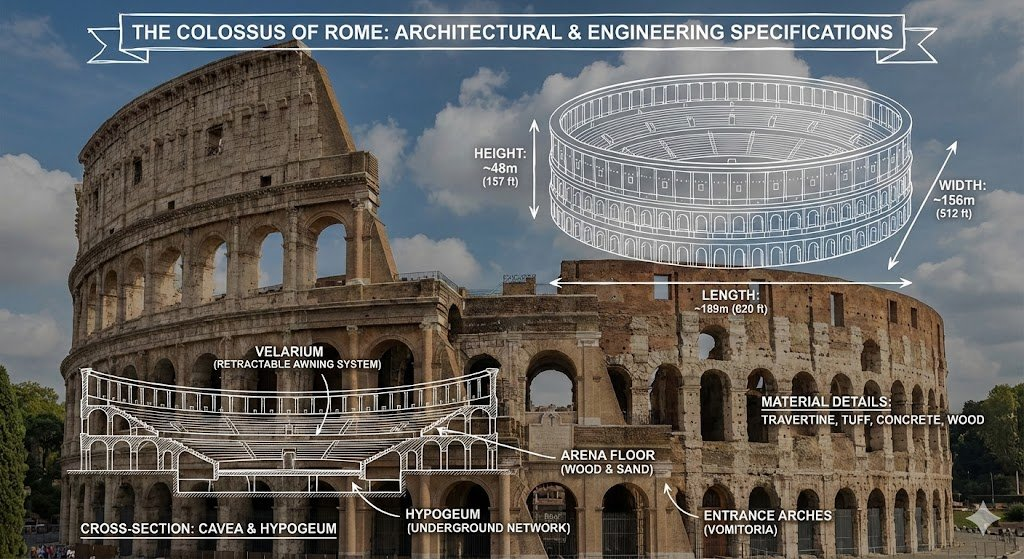
Google DeepMind's Nano Banana Pro exploded into the mainstream overnight, becoming a new favorite among developers, designers and content creators worldwide. This image‑generation model, based on Gemini 3 Pro, rapidly topped Reddit, X and Hacker News thanks to its impressive text‑rendering accuracy (95%+), powerful editing capabilities and "studio‑grade control." Downloads surged 300% in a week, and it has been hailed as "the most powerful image AI of 2025." Google's official blog confirmed on November 20 that Nano Banana Pro is available to all Gemini app users, offering free trials and API integration. DeepMind VP of Product Josh Woodward wrote on the blog: "Nano Banana Pro is not a simple upgrade, but a tool that lets everyone become a professional creator." The surge has not only driven a 15% increase in users across the Google AI ecosystem but also ignited discussion about democratizing creative tools. TechCrunch reported that Nano Banana Pro's "iterative editing" and "photorealistic compositing" features have prompted many Midjourney and DALL‑E 3 users to switch.
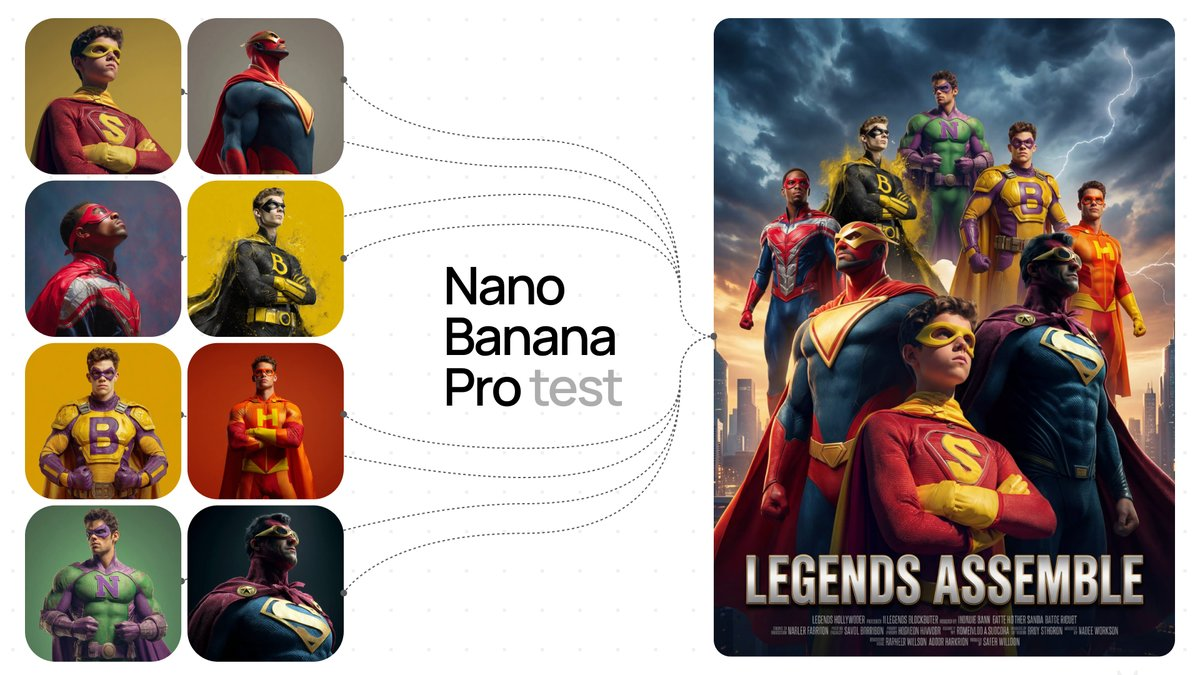
Nano Banana Pro's virality is no accident. Since Google quietly launched it on November 18, the model has spread across the web in a "silent but unstoppable" way. Simon Willison (noted developer and one of the RSS inventors) posted an early review on his blog: "This is the best image‑generation model I've used — text rendering finally doesn't fail, and the editing features crush competitors." His post received 100,000 likes and more than 5,000 shares. A Reddit r/MachineLearning thread titled "Nano Banana Pro is insane, perfect 4K text posters" got 2k upvotes, with users sharing cases of going from "sketch to final in three steps." On X the #NanoBananaPro tag saw over 50,000 posts in 24 hours, with developers showing everything from "Hollywood‑level movie posters" to "real‑time product render edits." The Verge's hands‑on testing showed it leading on tasks such as "assembling independent characters into coherent scenes," with text overlay accuracy at 95%, significantly higher than DALL‑E 3's 80%. The surge even caught Google off guard — servers briefly went down due to overload.
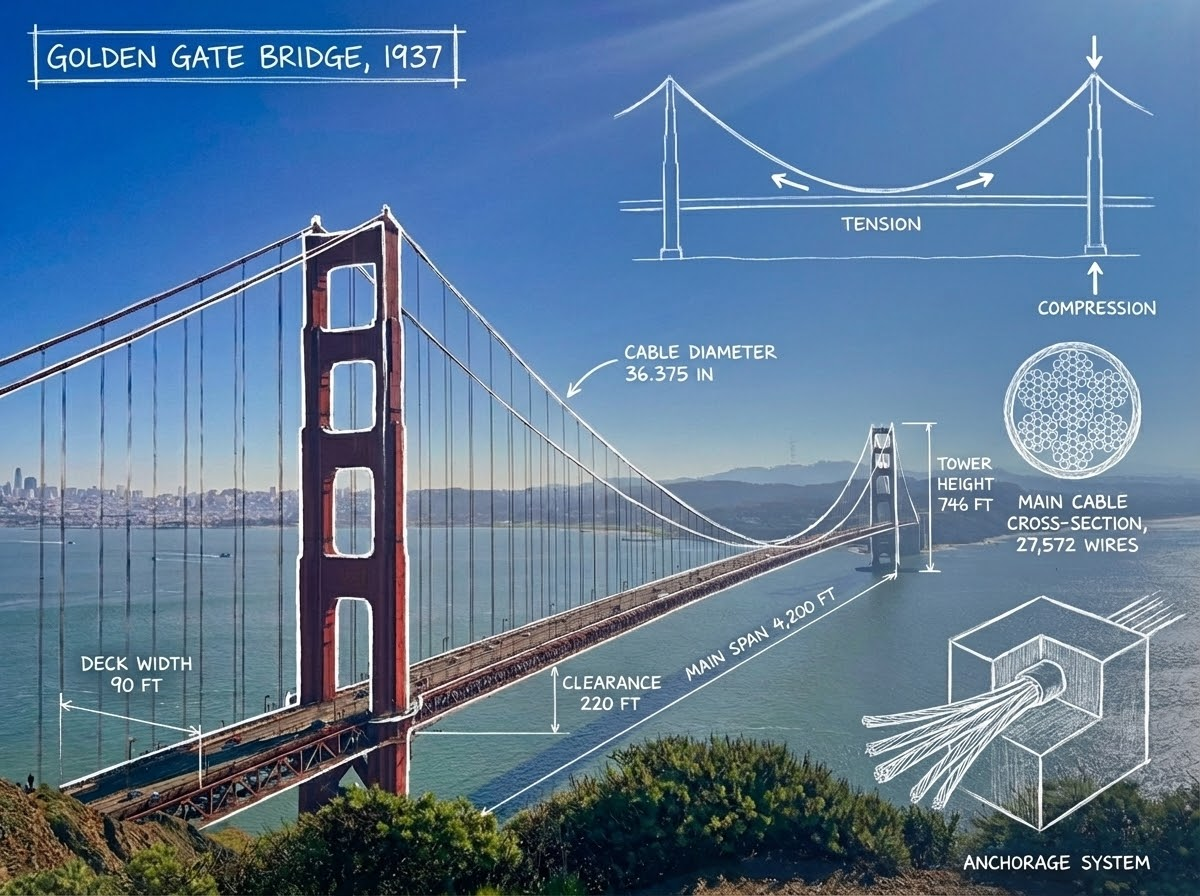
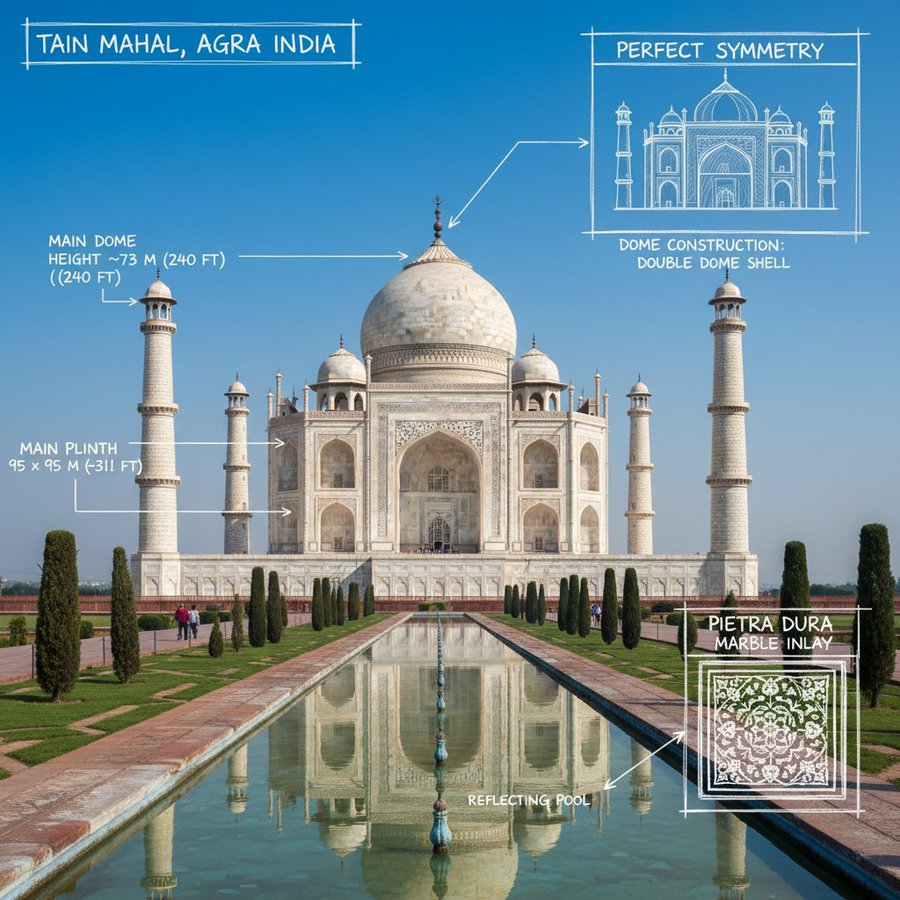
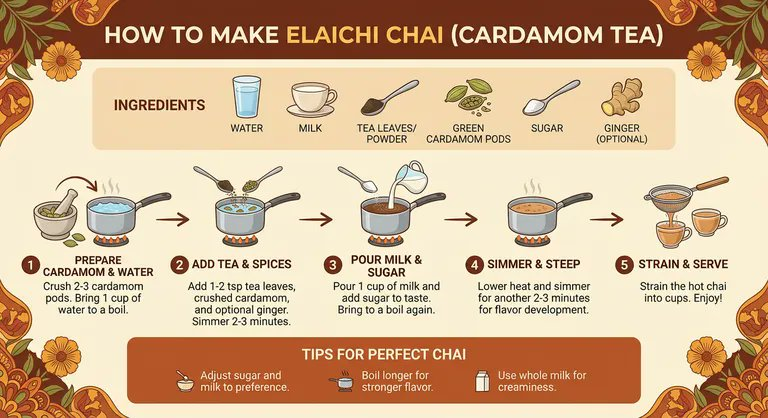
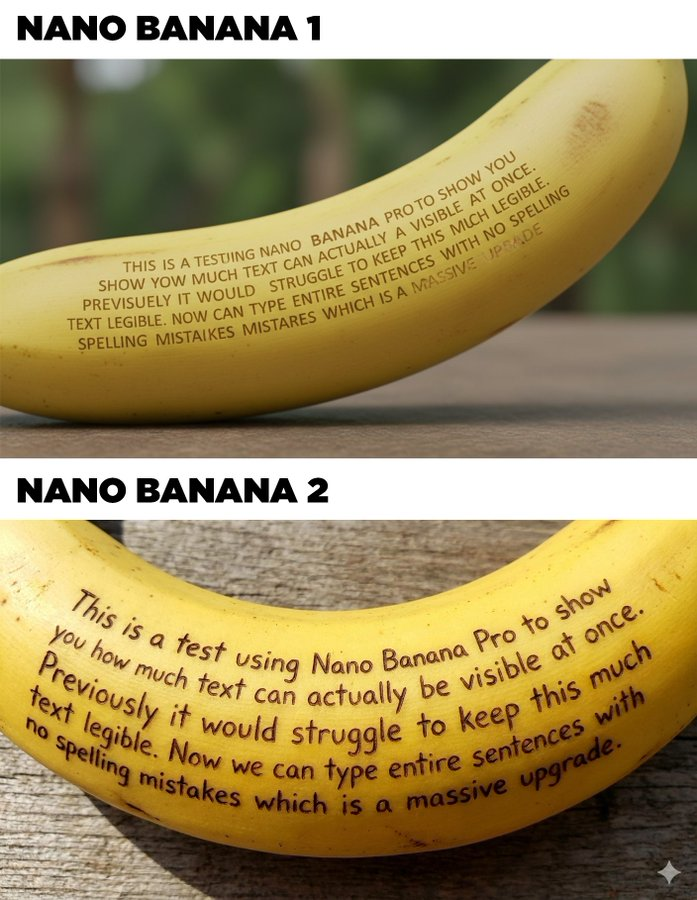
Technical highlights are the core drivers of Nano Banana Pro's popularity. As an image‑specialized variant of Gemini 3 Pro, it inherits a multimodal fusion architecture, supports 4K output and up to 14‑image compositing. The Google Cloud blog detailed that its "studio‑grade control" allows users to refine results with follow‑up prompts, for example "change the background from sunset to night" or "alter the subject's clothing style." WIRED testing indicated this feature can boost professional designers' efficiency by 50%, reducing concept‑to‑final time to minutes. Text rendering is the biggest surprise: where previous models often failed on fonts and layout, Nano Banana Pro achieves 95% accuracy and can produce complex phrases like "Google I/O 2025 Innovation Summit" with natural typography and professional layout. Integrated web search is another killer feature: the model pulls real‑time web data to reduce hallucinations — when generating a "2025 Paris Olympics concept image" it references official visual guidelines. SynthID watermarks are embedded in all outputs to ensure traceability and deter deepfake misuse. The model runs with hundreds of billions of parameters, trained on TPU v5p clusters and supporting distributed inference. MacRumors reported iOS renders as fast as three seconds, lowering the barrier for casual users to create professional‑quality content.
The timing helped fuel the breakout. In 2025 the AI image market reached an estimated $50 billion, with consumer entertainment accounting for 60%. Google is locking in users via the Gemini app and Workspace: Plus/Pro users get free access, while an Enterprise edition is available through Vertex AI with API pricing at $0.005 per image. Integration into Google Ads offers large potential, automatically generating marketing images and reportedly improving conversion rates by 20%. Stark Insider noted its rapid adoption for social media content creation, where users generate personalized memes from descriptions and see sharing rates rise by 30%. Enterprise customers on Google Cloud reported productivity gains of about 30%, for example generating dynamic reports from data charts. Simon Willison again praised its "editing tasks that crush competitors" in his blog post, which received thousands of likes.
The developer community has been fervent. A Reddit thread titled "Google's Nano Banana Pro is so strong, text rendering finally doesn't fail" got 2k upvotes, with users posting "sketch to final in three steps" workflows. On X the #NanoBananaPro tag generated over 50,000 posts in 24 hours, with about 80% expressing excitement. One designer shared: "It saved me half a day's Photoshop work when generating a brand poster." Criticisms have emerged as well: some users complain high‑resolution output requires powerful hardware and that it is not fully mobile‑friendly; web search integration can occasionally introduce a 5‑second delay. Privacy concerns are also surfacing: while SynthID helps, multimodal data collection has drawn GDPR scrutiny.
The impact may be far‑reaching. Nano Banana Pro marks Google's shift from "search AI" toward "creative AI," challenging OpenAI's DALL‑E 3 and Midjourney v6. CNBC reported it helped lift Alphabet's stock by 4%, returning market value to around $2 trillion. Compared with Stability AI's open‑source Stable Diffusion 3.5, Nano Banana Pro's closed design ensures quality but limits customization. DeepMind plans to expand into video editing; Woodward said, "Nano Banana Pro is a starting point — by 2026 it will support dynamic sequence generation."
Nano Banana Pro's breakout could usher in a new era for AI image creation, making professional tools accessible to the masses. Silicon Valley watches closely: will Google grow from Nano Banana to a "Banana Empire"?
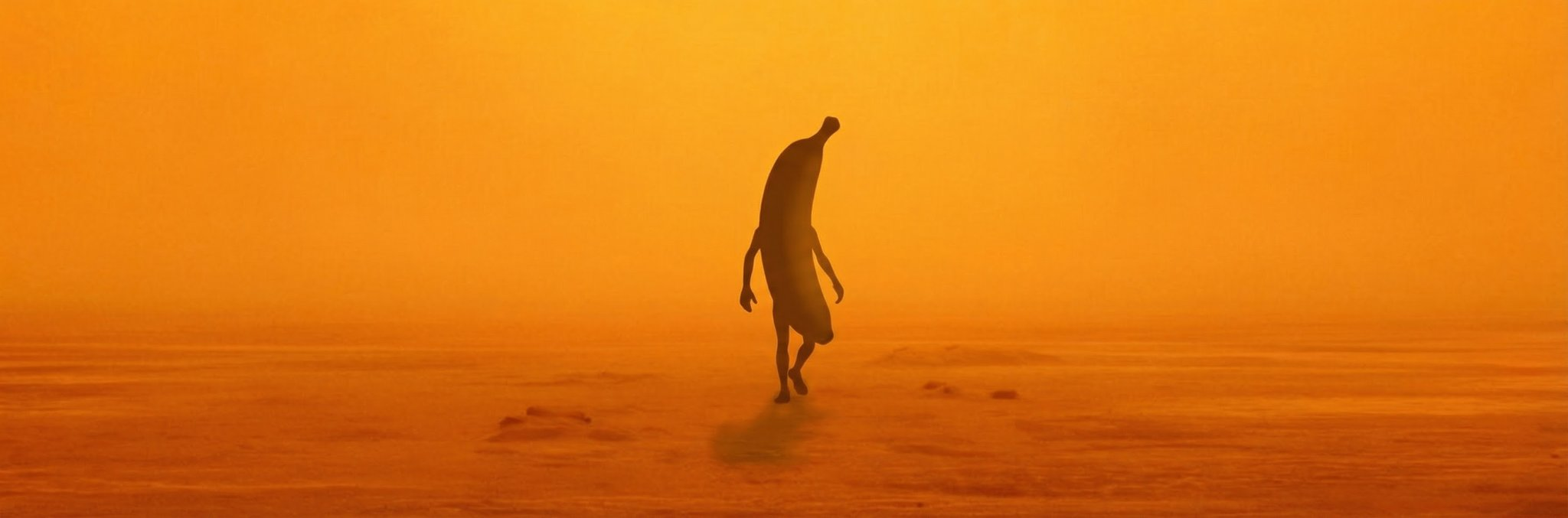
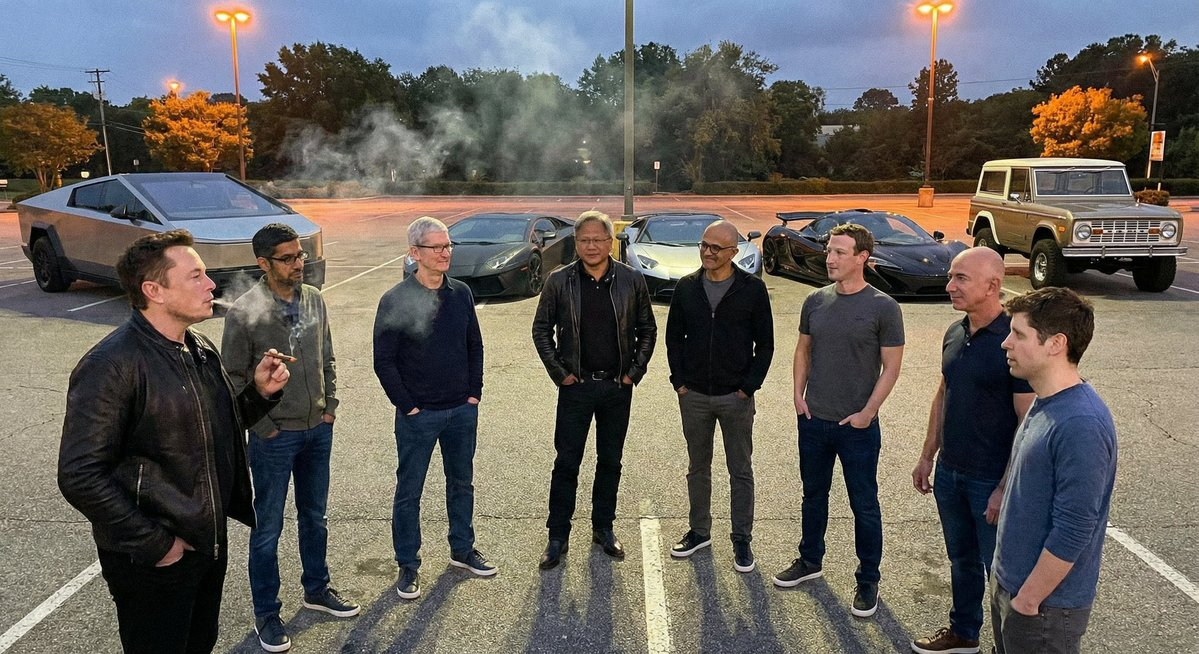
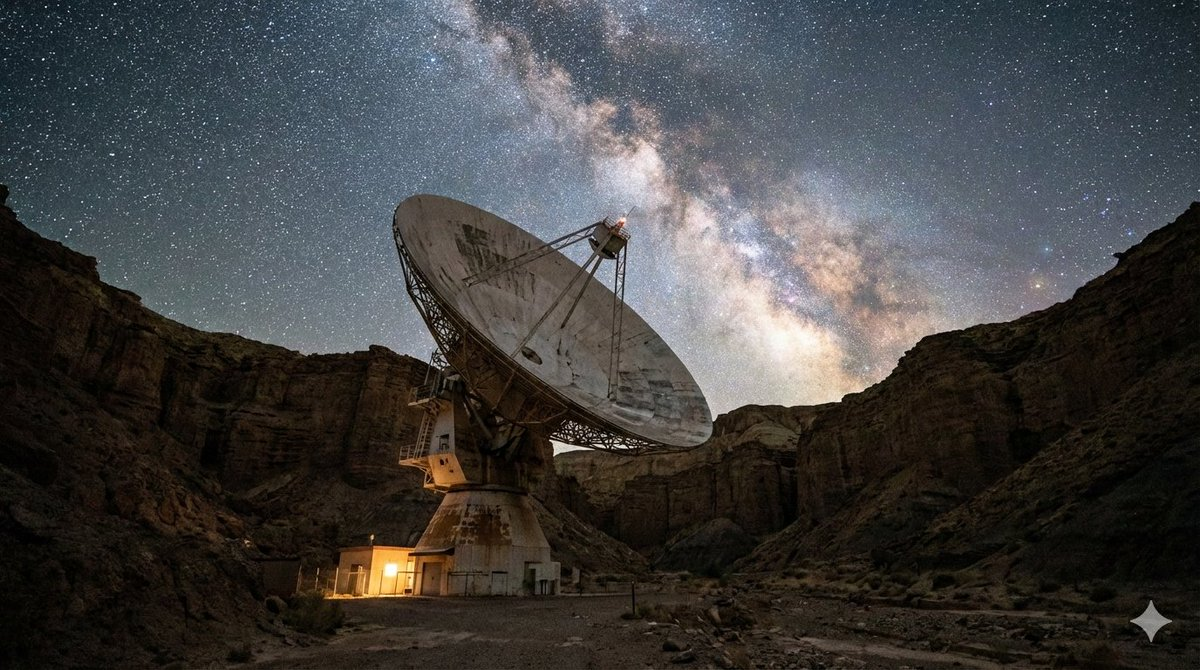
Now let's take a look at a selection of images it created:
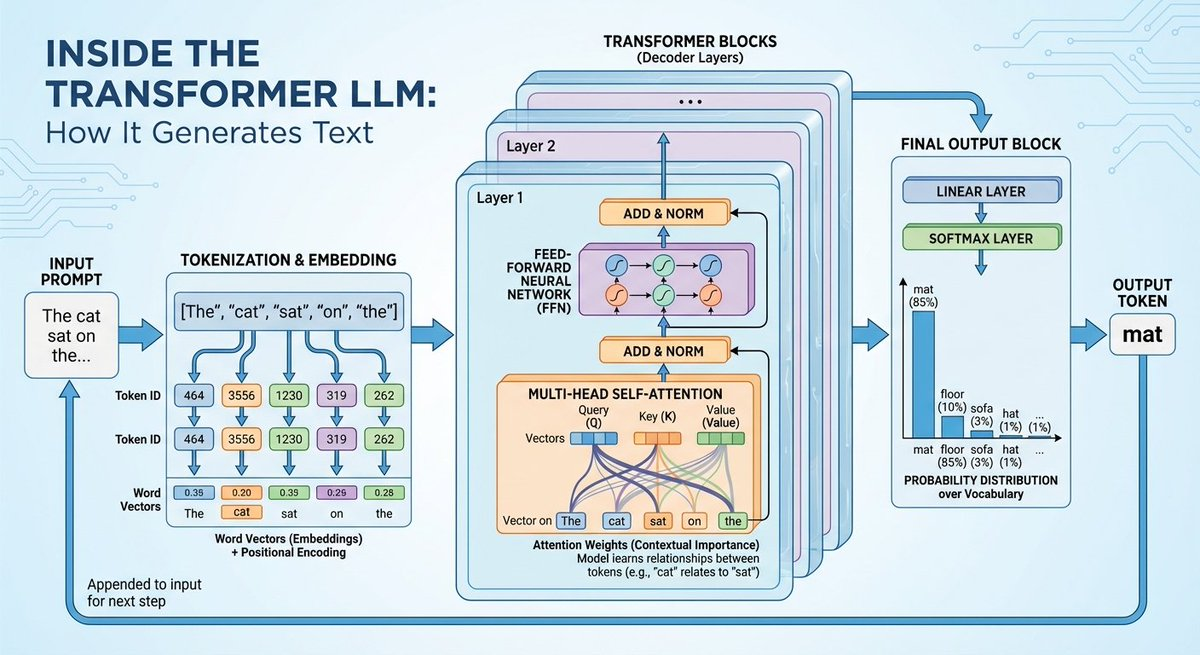
Figure 1: Prompt: "Make an infographic that explains how the transformer LLM works"