
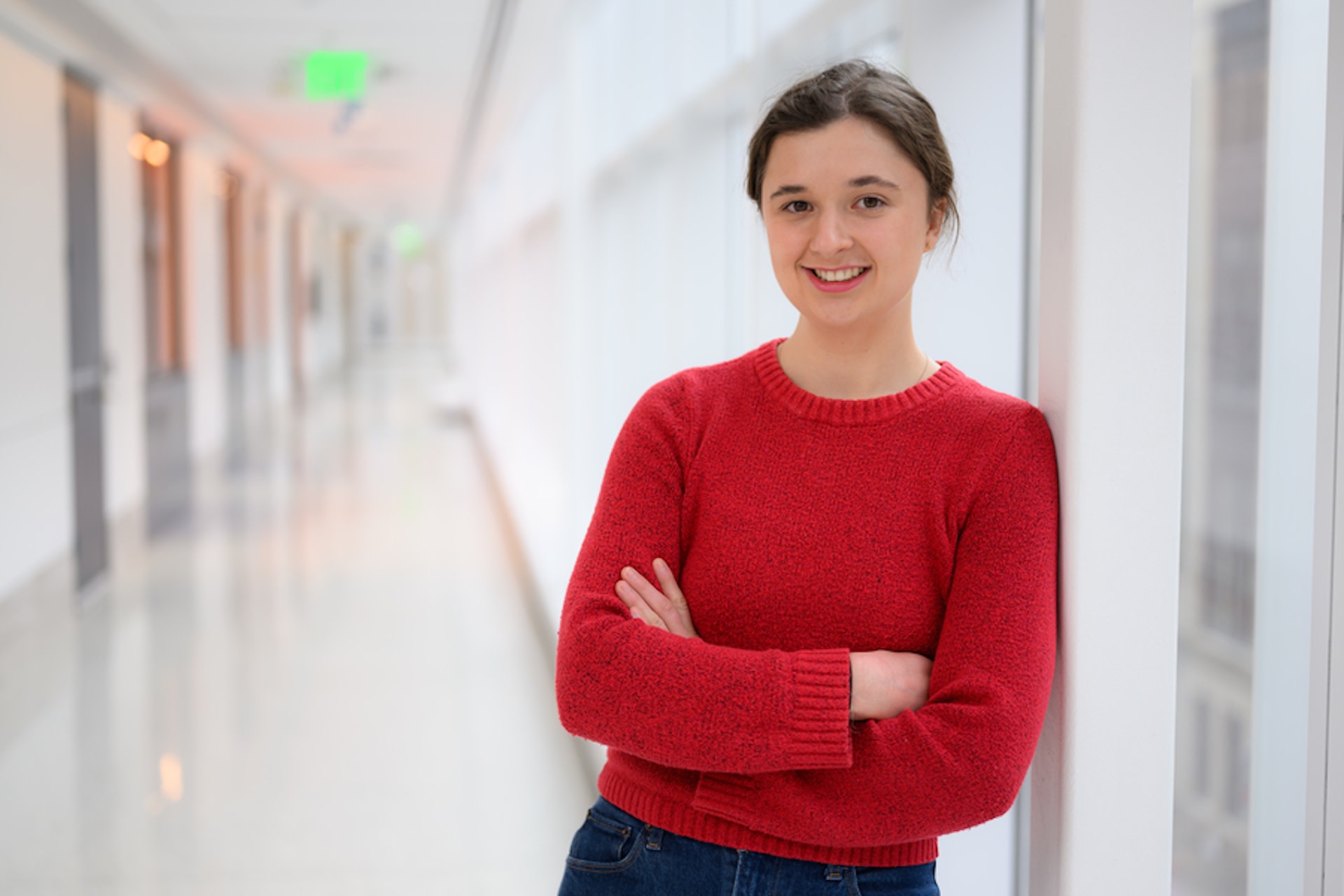
Miranda Schwacke
In November 2025, a result that could reshape the AI energy landscape emerged from a lab at the Massachusetts Institute of Technology (MIT).A PhD student at MIT, Miranda Schwacke, transplanted "brain‑like" computing concepts into a hardware prototype, achieving a fundamental transformation of traditional deep learning inference models through the integration of spiking neural networks (SNN) and event‑driven circuits.
This prototype is not a simple stack of simulated neurons; instead, it physically positions "memory" and "computation" close together on the silicon chip, using synaptic plasticity mechanisms to allow the hardware to adjust connection weights during operation, reducing the frequent overhead of accessing parameters externally. The research team demonstrated its effectiveness in image classification and sensor stream processing tasks in papers and demos, showing that the same algorithms on this hardware can operate in an event‑driven manner, triggering computations only when "spikes" occur, thus avoiding energy waste from numerous idle cycles.
In experimental details, the developers combined spike encoding with asynchronous circuits, utilizing hardware‑level sparse activation to reduce power consumption, while implementing limited online adaptability through local learning rules (similar to biological synaptic local updates). The MIT team connected a prototype chip with common sensors and small visual networks, comparing it to traditional GPU/TPU inference processes. The results showed a significant drop in energy consumption for the same tasks, with response latency and model stability remaining within acceptable ranges.
This work directly addresses two major pain points in the current AI industry: high electricity consumption in data centers and limitations on offline intelligence in edge devices. Researchers noted that migrating some inference and simple online learning to low‑power neuromorphic chips could enable future smartphones, wearables, and IoT devices to handle more real‑time perception tasks without frequent cloud returns, thereby reducing network bandwidth and carbon emissions.
However, the team emphasized that not all challenges are resolved: large‑scale manufacturing, compatibility with existing deep learning frameworks, and rebuilding software toolchains remain hurdles to overcome. Neuromorphic hardware excels in event‑driven and sparse computing, but to support current mainstream large‑scale self‑supervised models, further advancements in programmability and precision control are needed.
According to the roadmap disclosed by The Cool Down and MIT, the next step involves advancing the prototype to broader benchmark testing and seeking industry partnerships to explore mass production paths. For young developers and startups, this means the opportunity to "move AI away from the cloud" is becoming tangible: low‑power, local‑learning chips will spawn a new wave of edge intelligence applications, from more energy‑efficient AR glasses to always‑on health monitoring devices.
This breakthrough did not solve all problems overnight, but in the November 2025 demonstration, it pulled "brain‑like thinking" from academic concepts to operable hardware prototypes, taking an important step toward a greener, more distributed AI ecosystem.