
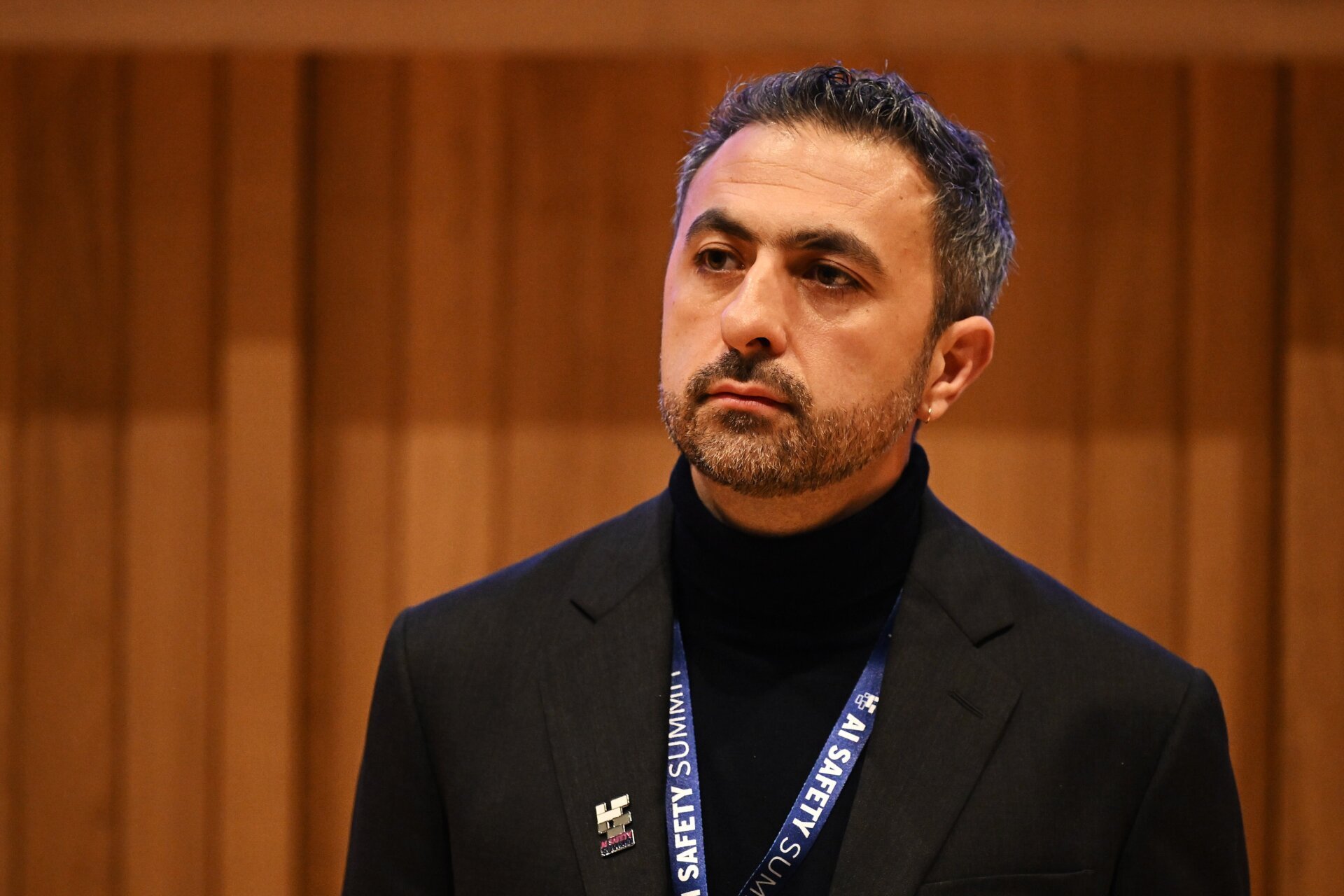
November 3, 2025, Gizmodo reported that Microsoft AI head Mustafa Suleyman, in an interview with CNBC, warned bluntly that pursuing 'machine consciousness' neither helps improve current systems nor could it squander substantial research and regulatory resources. Suleyman called this goal "absurd" and described it as "a gigantic waste of time" in the report.
The report records Suleyman's view of the nature of current large models: existing language models and multimodal systems are primarily statistical pattern matchers rather than entities with subjective experience or conscious states. He said that using the philosophical concept of consciousness to explain model behavior often leads engineers and the public to misleading anthropomorphic imaginings, which can obscure more urgent technical issues.
In the interview, Suleyman listed what he believes should be prioritized: model robustness, interpretability, the real‑world harms caused by erroneous outputs (hallucination), the risk of models being used for fraud and information manipulation, and the direct impacts on user privacy and safety during deployment. He emphasized that these issues can be materially improved through engineering, testing benchmarks, and regulatory frameworks, while "consciousness" as a concept is hard to measure and difficult to turn into an actionable research agenda.
Microsoft has increasingly deployed large‑model capabilities across its products in recent years. Suleyman also discussed concrete mitigation strategies: strengthening human‑in‑the‑loop oversight, rule‑based guardrails, targeted data cleaning and evaluation, and continuous red‑teaming. He argued that investing resources in these quantifiable, verifiable measures would reduce societal risk more effectively than philosophical debates about "subjective experience".
Addressing media and public curiosity about whether intelligent machines are conscious like humans, Suleyman urged the tech community to be cautious — to advance with testable hypotheses and reproducible experiments rather than seeking sensationalism through emotionally charged labels such as "consciousness." The report also noted that he warned the industry against naively shifting moral and legal decisions onto immature systems.
The remarks have sparked discussion among policymakers, scholars, and technologists: some agree on focusing effort on safety and alignment, while others argue that exploring consciousness could yield new theoretical breakthroughs. Suleyman's stance is pragmatic — in his view, the near‑term priority is making systems predictable, controllable, and compliant with regulations and ethics in the real world, rather than attempting to anthropomorphize AI.
Of course, anyone's stance is related to their position: as a practitioner, it is understandable not to want additional constraints on AI. On the other hand, the question of AI "consciousness" should not be ignored like an ostrich burying its head in the sand when facing danger. Whatever the position, Gizmodo's report brings the discussion back to a practical question: as technology advances rapidly, how should research and regulatory resources be allocated reasonably to avoid fanciful pursuits while still taking long‑term risks seriously?