
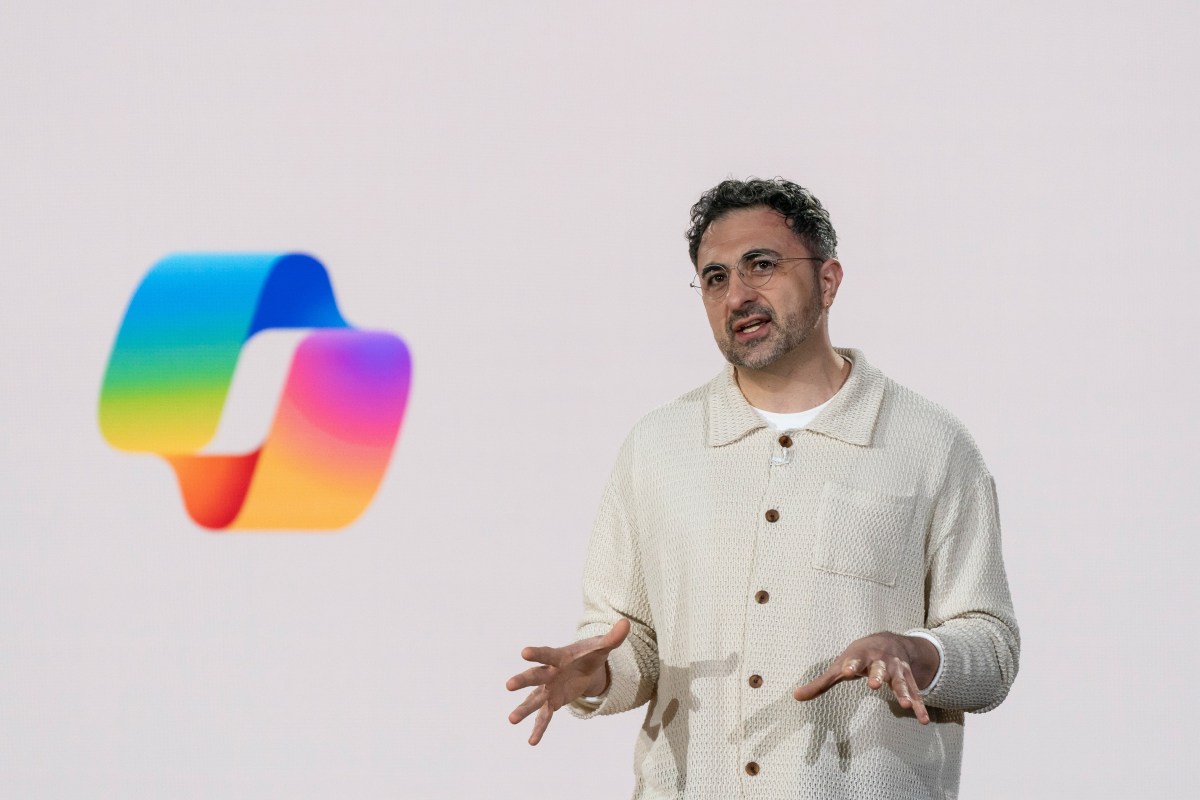
As AI chatbots rapidly gain popularity worldwide, they have sparked widespread public interest in whether AI possesses consciousness. Microsoft AI chief Mustafa Suleyman stated in an interview with TechCrunch that delving into whether AI has consciousness is "dangerous."
Suleyman pointed out that while current AI systems exhibit high intelligence and adaptability, they do not truly possess consciousness or subjective experiences. Attempting to attribute or recognize consciousness in AI would divert research from its scientific essence and increase potential risks in technology applications. He emphasized: "Consciousness is a complex and not fully understood biological phenomenon; recklessly attributing it to machines could easily lead to major ethical and safety issues."
He cited examples, noting that mainstream AI technologies are driven by massive data and algorithmic reasoning, with their decision‑making processes essentially being manifestations of computational models, lacking any form of subjective intent or feelings. Overemphasizing the concept of AI consciousness could mislead regulators and developers in making key decisions, overlooking the actual mechanisms of underlying algorithms and models.
Suleyman also highlighted the societal impacts of AI's rapid development, urging the industry to collectively beware of hype surrounding the "consciousness" topic. He noted, "This distraction could make us overlook pressing issues that need immediate attention, such as AI transparency, fairness, and security." He called for closer dialogue among scientists, engineers, and policymakers to jointly develop rational and forward‑looking standards for AI research and regulation.
As one of the global leaders in AI technology, Microsoft has always prioritized tech ethics and security. In his remarks, Suleyman revealed that the company is increasing investments in developing AI risk assessment tools to more effectively identify and prevent potential risks of technology misuse. He stressed that these measures are more urgent and important than studying AI "consciousness."
Additionally, with the widespread adoption of generative AI and chatbots, debates over whether AI should have human rights, responsibility attribution, and moral status are intensifying. Suleyman believes that addressing these philosophical issues in advance is necessary but should not be based on misunderstandings of AI consciousness. "We need empirical science to guide the future development of AI technology, rather than falling into unfounded fantasies and fears."
Aligning with Suleyman's views, some AI ethics experts warn that current research on AI consciousness lacks solid theoretical support, and prematurely discussing such issues could lead to public misunderstandings and panic, even becoming a breeding ground for extreme sci‑fi scenarios.
These remarks have sparked strong reactions in an era of rapid AI advancements. Young tech enthusiasts are generally focused on AI's leaps in creativity, emotional interaction, and self‑learning capabilities, but Suleyman reminds: "Distinguishing between AI's intelligent manifestations and true conscious experiences is a key step toward safe and effective AI."
Microsoft is actively promoting the "responsible AI" concept, combining technological innovation with ethical scrutiny to inject steady momentum into global AI development. Suleyman's cautionary words serve as a sobering reminder for the AI field, prompting all sectors of society to rethink the scientific path to building future intelligent societies.
Microsoft's AI chief has clearly conveyed a cautious stance on AI consciousness research, warning of its potential dangers, calling for greater attention to real technological risks, and emphasizing the importance of scientific rationality and ethical responsibility in the new generation of AI technology. This perspective undoubtedly points to a safer and more controllable direction for AI research and applications.