
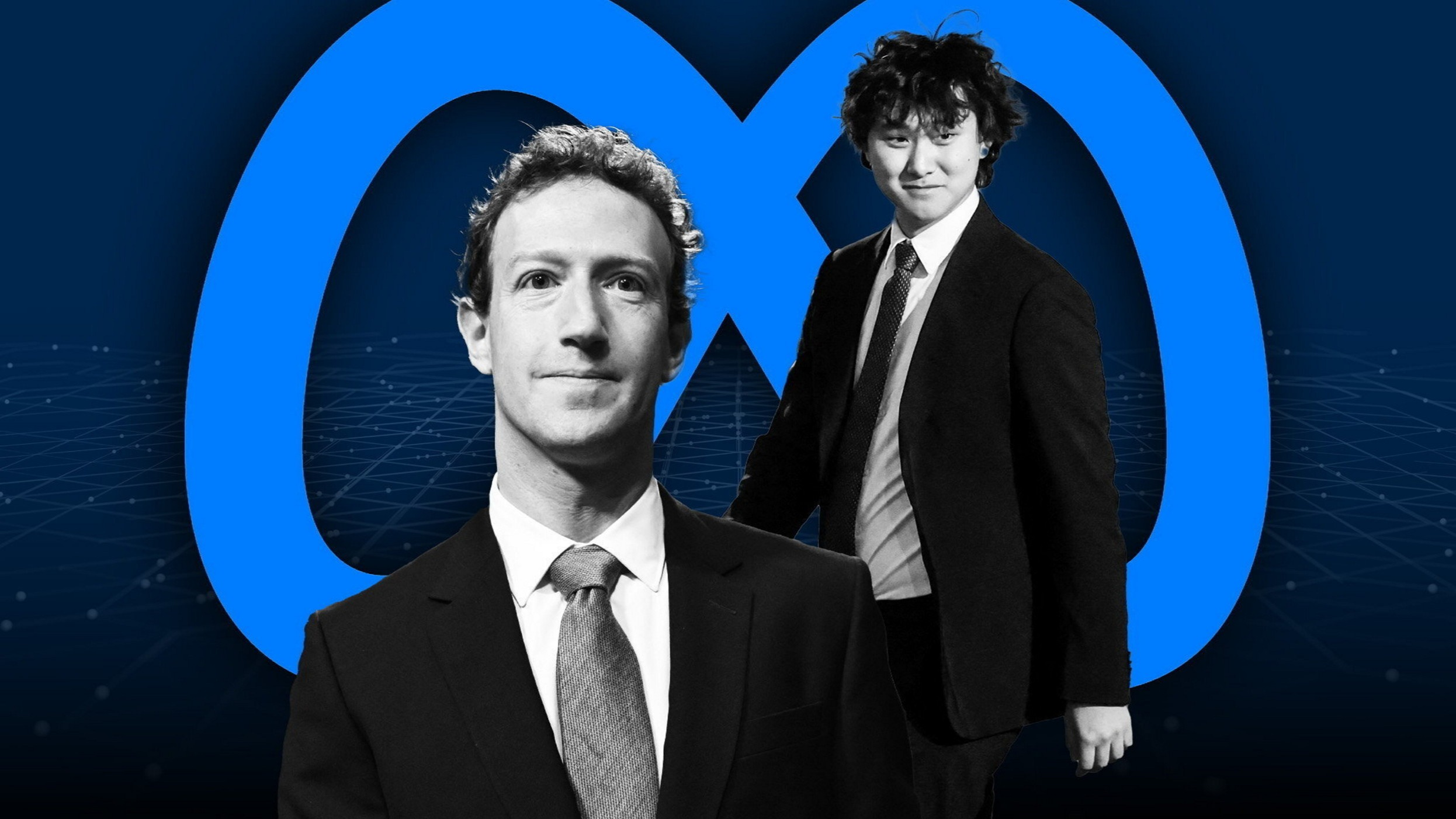
In 2025, competition in the artificial intelligence field reached a fever pitch. As a social media giant, Meta (formerly Facebook), under CEO Mark Zuckerberg, launched an unprecedented AI talent recruitment offensive, spending billions to assemble a "superintelligence" team. Yet within months the company faced a serious talent drain. Newly hired staff left in large numbers and internal reorganizations caused chaos, exposing Meta's difficulties in its AI strategy and prompting industry‑wide reflection on tech giants' talent wars. According to recent reports, Meta's AI division rapidly entered a hiring freeze after the recruitment peak, and several key personnel have chosen to depart.
Meta's AI Ambitions and the Hiring Frenzy
Meta's AI transformation began in 2023, but the real crescendo came in the first half of 2025. Zuckerberg personally led recruitment efforts, using social media and private messages to poach top talent, aiming directly at competitors such as OpenAI, Google DeepMind and Anthropic. The company established "Meta Superintelligence Labs" to develop systems intended to surpass human cognition. This strategy was seen as a key step in Meta's shift from social media to aspiring AI leadership.
Meta spared little expense in recruiting. Reports indicate the company offered individual AI researchers signing bonuses up to $100 million and equity incentives worth hundreds of millions. For example, Meta acquired Scale AI's founder Alexandr Wang and purchased 49% of the company for $14.3 billion, appointing him head of the AI lab. Meta also successfully recruited several former OpenAI executives and researchers, including Shengjia Zhao, Avi Verma and Ethan Knight. These hires were described as the "most expensive AI talent war in Silicon Valley," with total investments possibly exceeding $15 billion.
The hiring wave was not an isolated event. In 2025, tech giants significantly increased AI investments, and Meta's capital expenditures were expected to reach $72 billion, mainly for data centers and talent compensation. In an internal memo, Zuckerberg stressed, "We must win the AI talent war," framing it as central to the company's future competitiveness. However, this cash‑driven approach also sparked internal discontent. Existing AI employees earned far less than newcomers, damaging team morale and even prompting some teams to threaten collective resignation.
The Sudden Exodus and Details
The recruitment peak lasted only months before fractures appeared in Meta's AI division. In mid‑August the company announced a hiring freeze for AI roles and banned internal transfers. That decision was seen as a response to investor pressure, as massive spending led to stock fluctuations and shareholder scrutiny. More startling was the rapid departure of newly hired talent. At least three employees from the Superintelligence Labs left months after joining, including Avi Verma and Ethan Knight, who returned to OpenAI. Senior staff such as Chaya Nayak (Meta Director of Generative AI Product Management) also announced moves to OpenAI.
Insiders say the scale of the departures may be larger. In 2024 Meta had already lost 4.3% of its AI workforce, second only to Google's 5.4%. Although 50‑plus engineers were hired in 2025, the outflow continued. Some new hires left shortly after receiving large sign‑on bonuses, behavior described as "mercenary." For example, researchers like Rishabh Agarwal departed soon after joining, provoking industry ridicule that Meta "bought talent but couldn't retain it."
Discussion on X (formerly Twitter) amplified the episode. User Daniele noted that Zuckerberg's $250 million bonus strategy signaled "panic," arguing truly leading companies do not need to poach at such prices. Another user, Amanda Goodall, shared internal data showing pay disparities that led teams to threaten departures.
Causes of the Exodus: Cultural and Strategic Fault Lines
Meta's talent exodus was not merely about money but rooted in cultural and strategic shortcomings. First, internal disorder was a primary factor. After recruiting, Meta underwent large‑scale restructuring, dividing the AI division into four groups: Superintelligence Research, AI Products, Infrastructure and Long‑Term Exploration. This caused team overlap, leadership disagreements and frequent project pivots. Multiple former employees described projects being formed and disbanded within weeks, researchers frequently changing managers and a lack of stability.
Second, a lack of a clear vision. Zuckerberg's "superintelligence" goal was seen as vague and derivative, contrasting with OpenAI's innovation culture. AI talent often seeks pure research or robust risk controls, while Meta's commercial orientation and legacy of metaverse missteps left many feeling adrift. A former employee said, "The shadow of the metaverse failure still hangs over the AI teams."
Third, intensified competitive pressure. OpenAI CEO Sam Altman criticized Meta's hiring as "mercenary," lacking cultural appeal. Apple and Google have faced similar talent outflows, but Meta's losses stood out because its AI models, such as Llama 3, lagged behind GPT‑5 and Gemini Ultra in performance.
External factors such as regulatory scrutiny and market bubble concerns also played a role. Investors worried about AI investment returns, and rising stock‑based compensation costs at Meta risked harming shareholder interests. The 2025 tech stock sell‑off further amplified these pressures.
Potential Impact on Meta and the Industry
The talent departures have clear implications for Meta. First, AI project timelines may slow. Early turmoil at the Superintelligence Labs could delay iterations of the Llama series, weakening Meta's position in the AI race. Second, internal morale has fallen. Pay inequities and reorganization prompted criticisms of "authoritarian" management and may lead to further senior departures. In the long run this could repeat the costly but unproductive pattern seen with the metaverse initiative.
For the broader industry, the episode marks a turning point in the AI talent war. Tech giants' cash‑fueled competition may cool, shifting focus toward internal development and culture‑building. Startups could benefit from the exodus from large firms, potentially revitalizing Silicon Valley's startup ecosystem. Regulators may also step in to examine whether high‑salary poaching distorts the market.
X user Gary Marcus characterized Meta's hiring freeze as "the first sign of the 2025 AI bubble bursting," suggesting the industry's investment fervor may subside.
Conclusion: Reflection and Paths Forward
Meta's experience—spending heavily to poach talent only to see many leave—reveals the dilemma tech giants face in the AI era: money can buy talent but not loyalty or innovation. The company needs to reassess culture, vision and sustainable strategy to avoid repeating a pattern of high pay with low productivity. For the industry, it is a warning: AI progress requires more than talent aggregation; it needs ecosystem balance. If Meta can integrate its resources effectively, it may still recover; otherwise this crisis could become a turning point for its AI ambitions.