
Amid an AI‑driven wave of digital content creation, Kuaishou’s Kling AI platform officially rolled out Digital Human 2.0 on Dec 4, marking a shift from “static narration” to “dynamic performance.” The new release achieves three major advances—support for up to 5‑minute video generation, precise hand and lip synchronization, and a comprehensive boost in performance—allowing users to create a “speaking, acting” virtual character in three simple steps. As Kuaishou’s AI creative productivity tool, Kling Digital Human 2.0 is designed to empower short‑video creators, e‑commerce hosts and educational content producers, and is expected to lower the barrier to professional‑quality video production. Following the official launch, user feedback poured in: on X a creator posted “5‑minute single‑take, saves so much time,” receiving hundreds of likes. The rollout not only reinforces Kuaishou’s lead in AI video, but could also reshape digital marketing.
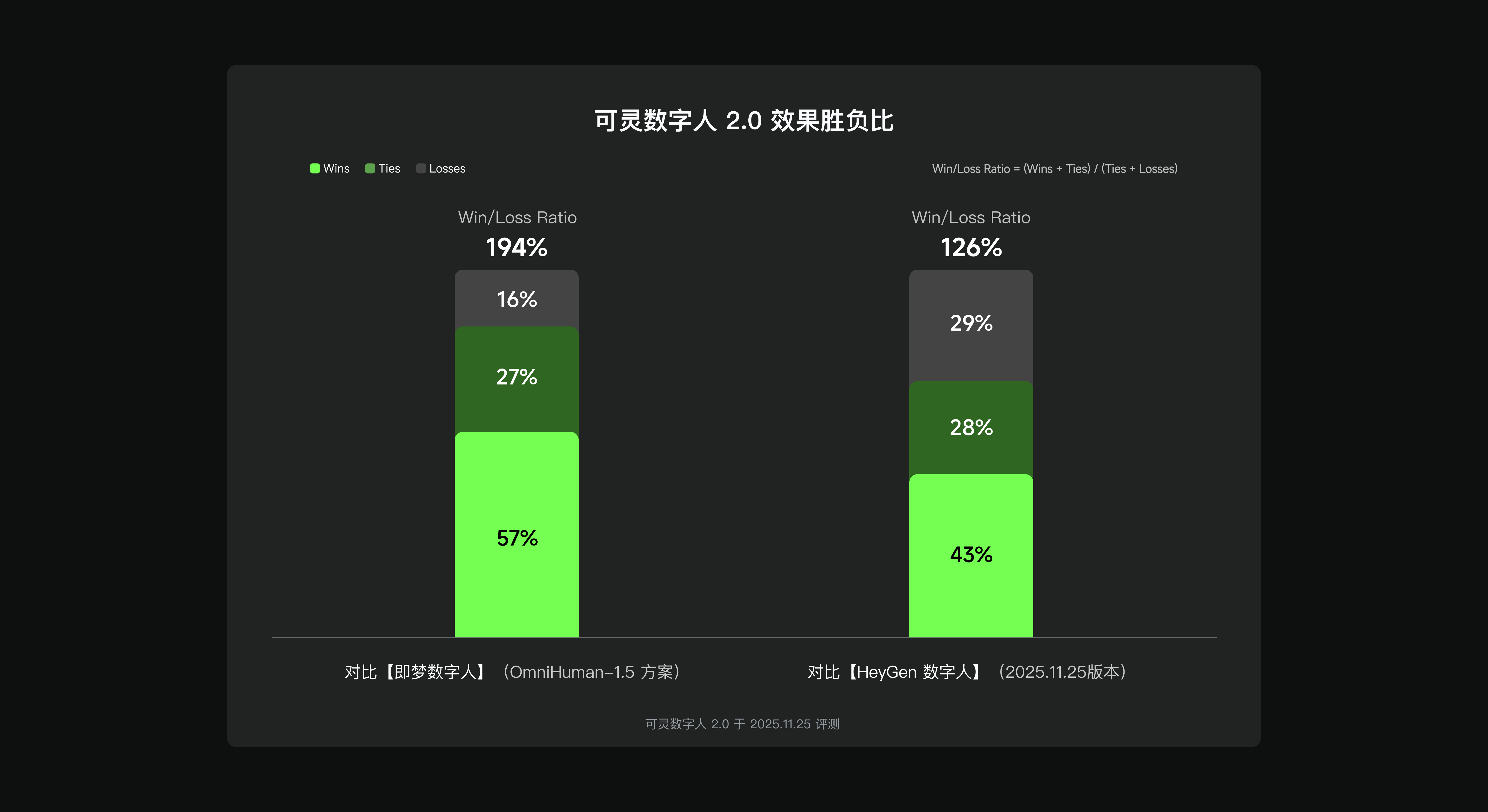
Since its debut in 2024, Kling AI has become a standout in China’s AI video generation space. Built by Kuaishou’s AI team, the platform combines image generation, video generation and audio synthesis, with monthly active users exceeding 50 million and a cumulative generated video duration reaching 1 billion minutes. Digital Human 1.0, launched at the end of 2024, focused on lip sync and basic expressions but was limited by 10‑second clips and frequent hand‑motion artifacts, leaving clear user pain points. The 2.0 iteration stems from user feedback and technical accumulation: Kuaishou’s AI lab introduced a Multimodal Director Module to enable an intelligent leap from audio to emotional performance. According to the official blog, the upgrade leverages Gemini‑level 3 inference capabilities and was trained on millions of hours of performance footage to make the digital humans feel more lifelike. In the current AI video market, Kling 2.0 targets shortcomings in competitors such as Sora and Runway Gen‑4.5—namely long‑duration generation and realistic interaction.
Digital Human 2.0’s core highlights are threefold. First, a comprehensive evolution of performance: digital humans are no longer “puppets” but “actors.” Through fine‑grained control of posture, gestures, facial expressions and shot language, characters can naturally convey emotions such as smiling, anger and confusion, and can simulate emphasis gestures or eye contact. Official demos show a virtual host in a 5‑minute science video moving from an opening smile to mid‑segment explanatory gestures and ending with interactive Q&A, delivering a coherent, lively presentation that avoids the stiffness of 1.0. Second, precise hand and lip control: where hands used to deform unnaturally, the new version employs dedicated skeletal binding and keyframe optimization to support complex actions like adjusting glasses, pointing at the camera or clasping hands; lip‑sync accuracy reaches 98%, closely matching voice cadence. Third, support for up to 5‑minute video generation: single‑take output suits long scenarios such as educational explainers, song performances and advertising, eliminating the need to splice multiple 10‑second clips and greatly improving efficiency. These upgrades transform the digital human from a “tool” into a “partner”; in e‑commerce testing, a Taobao shop owner reported a 15% increase in conversion from a 5‑minute product demo.
Using Digital Human 2.0 is simple and intuitive, suitable for users with no prior experience. Log in to the Kling AI platform (App or Web at app.klingai.com) and enter the “Digital Human” module:
- Upload a character image: Provide a high‑resolution frontal photo (real person or cartoon). The platform automatically extracts facial features and generates a base model. You can customize skin tone, hairstyle and clothing. Generation takes about 10–20 seconds.
- Add voiceover content: Upload an audio file (WAV/MP3, up to 5 minutes) or use text‑to‑speech. The platform’s built‑in TTS engine supports multiple languages and emotional tones (e.g., enthusiastic, serious).
- Describe the character’s performance: Enter prompt words such as “confident explanation, moderate gestures, office background.” The platform’s Multimodal Director Module generates the video accordingly. Preview and iterate as needed; rendering time varies with length (about 1–2 minutes per minute of video).
After generation, users can download a high‑definition MP4 or share it to Kuaishou/Douyin with one click. The platform also offers a template library, including “e‑commerce sales scripts” and “educational slides,” to accelerate creation. For developers, APIs are open for integration into mini programs or enterprise systems.
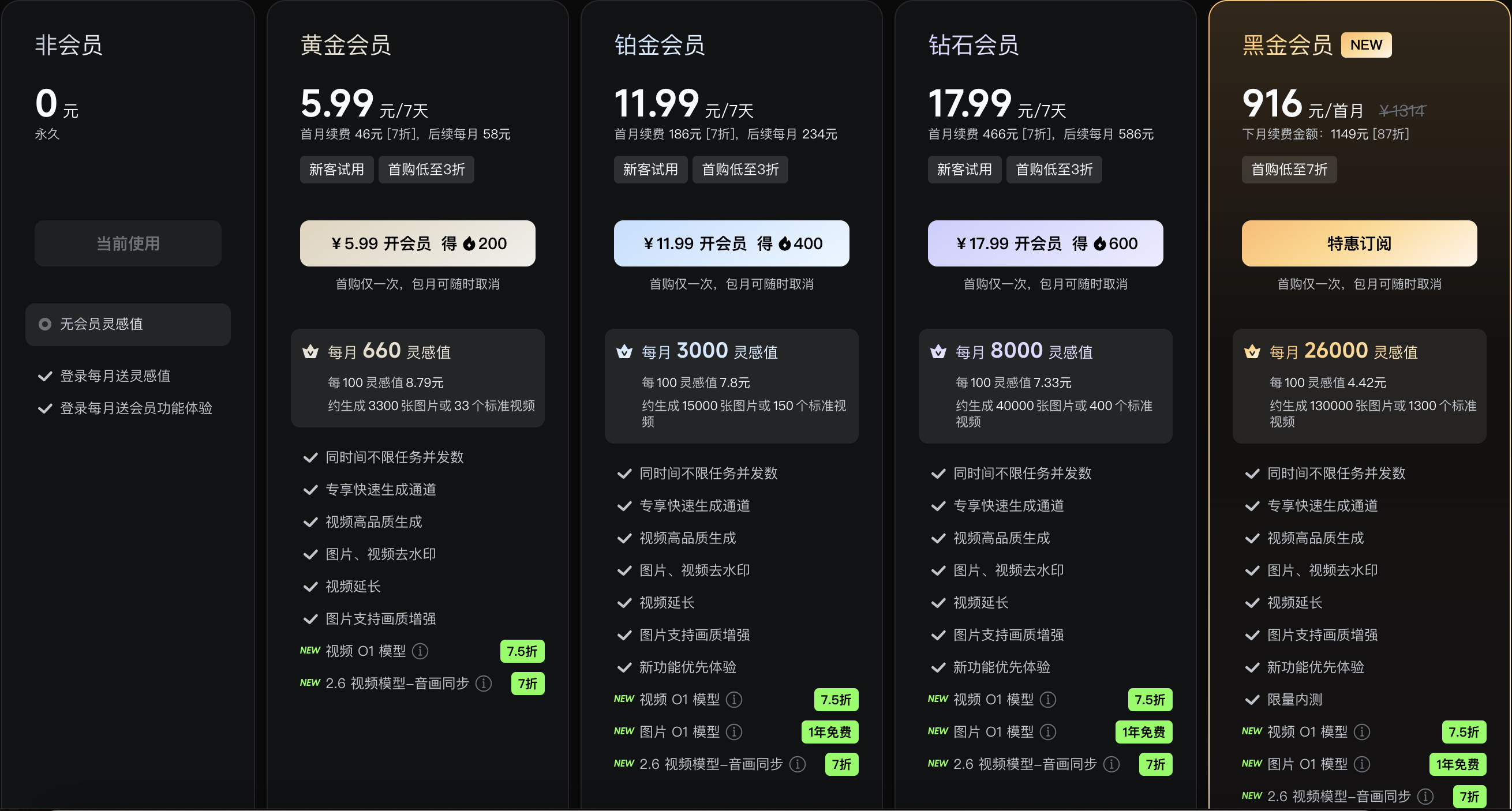
On pricing, Kling Digital Human 2.0 uses a credit system (1 credit ≈ 1 RMB), integrated into the platform’s subscription model with no separate fees. New users receive a free trial pack (166 credits, sufficient to generate roughly 5–10 seconds of short video). Paid packages are available:
The release has far‑reaching industry implications. In the short‑video era, Digital Human 2.0 could accelerate content monetization: virtual anchors operating 24/7 can cut costs by 50% in e‑commerce; 5‑minute interactive courseware can increase student engagement by 30% in education. The Kuaishou ecosystem stands to benefit most: the platform expects AI video generation volume to double by 2026, driving highly personalized marketing. Challenges remain: while expressions are highly realistic, complex scenes still require human fine‑tuning; privacy and compliance (such as GDPR) are focal issues, and Kuaishou pledges local data storage. From a global perspective, Kling 2.0 may compete with Runway Gen‑4.5 and help Chinese AI products expand overseas.
Looking ahead, Kling Digital Human 2.0’s iteration will extend beyond video: the company has previewed support for real‑time interaction and AR integration by 2026. For creators, this is more than a tool upgrade—it signals the dawn of the “one‑person army.” Download Kling AI, upload your digital twin, and start a 5‑minute performance—AI creativity is moving from dream to reality.