
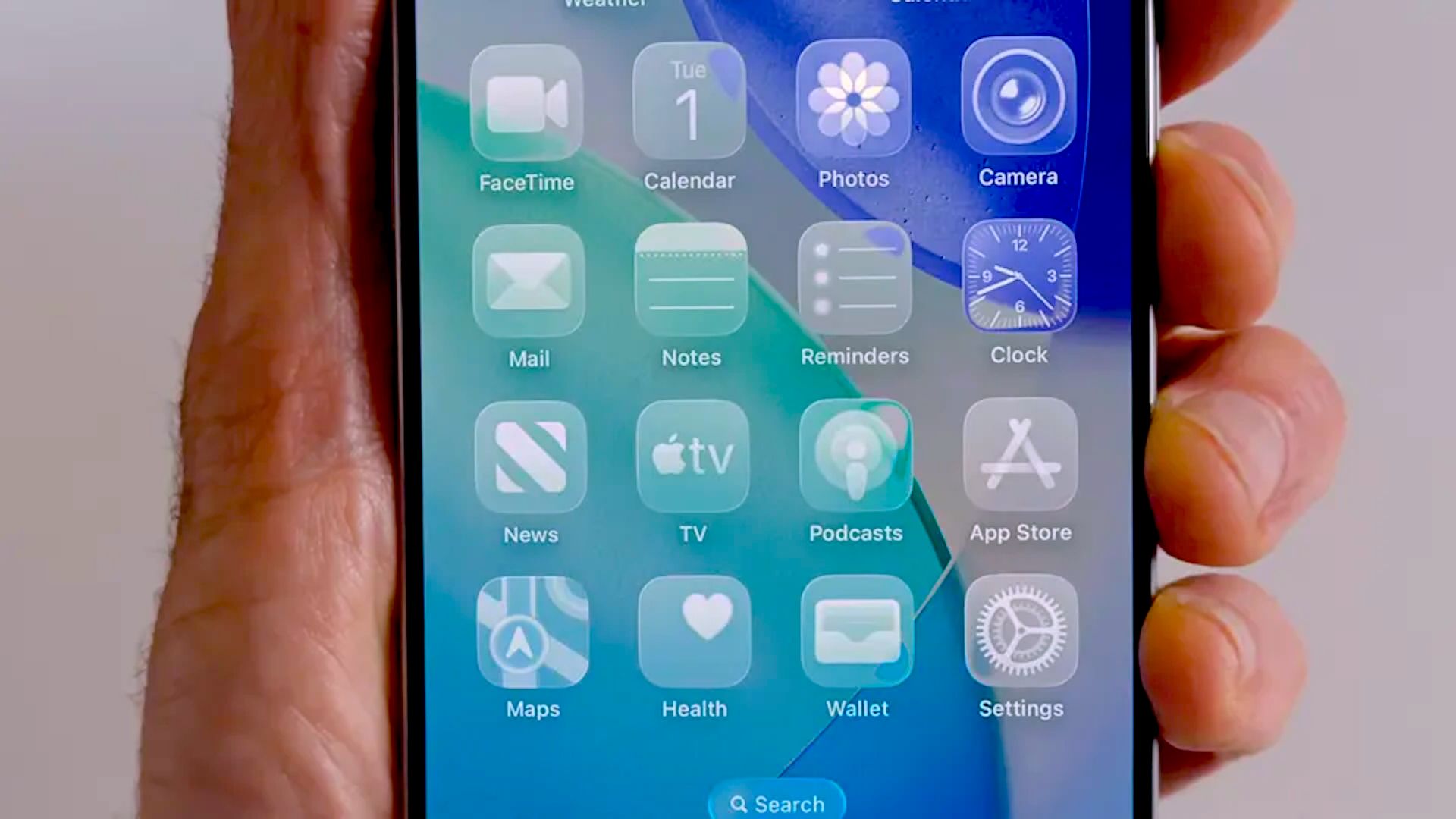
December 9, 2025 — Creative Bloq reported that the loss of design talent inside Apple in recent years is not an isolated phenomenon: executives responsible for key projects such as the iPhone Air and Liquid Glass have left, and many senior designers have chosen to join startups or work as independent consultants. The article cites interviews with departed staff and industry observers, presenting departure motives that are more complex than simply "high pay and benefits."
The report outlines several recurring themes: first, changes in organizational structure and the center of authority. Since Jony Ive left in 2019, Apple's design ecosystem has undergone multiple reorganizations, and the influence of design on decision‑making has been repeatedly reweighted toward product management and engineering priorities; many designers feel a long‑term trend of "design being diluted." Second, product cycles and manufacturing constraints: improvements in hardware craftsmanship increasingly depend on supply‑chain and factory capabilities, and many design concepts are forced into compromise during implementation, producing team frustration.
Creative Bloq also highlights the practical contrast in compensation and growth pathways. Some leavers told the outlet that startups offer equity incentives and shorter decision chains, allowing them to see their designs realized faster and to assume more direct product ownership. The article notes that the departures of executives who led iPhone Air and Liquid Glass are not single events but overlap with these systemic issues.
The report details project cycles: in some "ambitious" concept phases, design drafts can reach an extremely high level of completion, but they are repeatedly pared back between engineering validation and large‑scale production, with materials and manufacturing feasibility often becoming the final deciding factors. By contrast, those who leave can participate in a shorter loop from concept to finished product at new employers, noticeably increasing designers' creative satisfaction.
Corporate culture and communication tempo were also repeatedly mentioned. Apple is known for secrecy and hierarchical approvals, which effectively protect product confidentiality but increase cross‑team communication costs; designers frequently encounter lengthy processes to justify and advance ideas externally. The article points out that this experience of "design shaped by committee" makes younger designers more inclined to seek flatter workplaces with smoother information flow.
For Apple, the immediate risk of talent loss is not only headcount but the departure of "craftsman‑level" individuals who understand how to balance materials, industrial design, and user experience. Creative Bloq emphasizes that if Apple wants to maintain its products' recognizability, it must examine how to rebuild a core commitment to design within organizational structure, decision rights, and incentive mechanisms.
The piece closes with remarks from several anonymous leavers: they do not completely reject Apple's engineering capabilities or brand appeal, but are more pragmatic about whether "ideal designs can actually be realized." The article ends by warning readers that 2024 may prove, for Apple, not just a year of product iteration but a critical period for testing whether its design ecosystem can renew itself and retain core creative talent.