
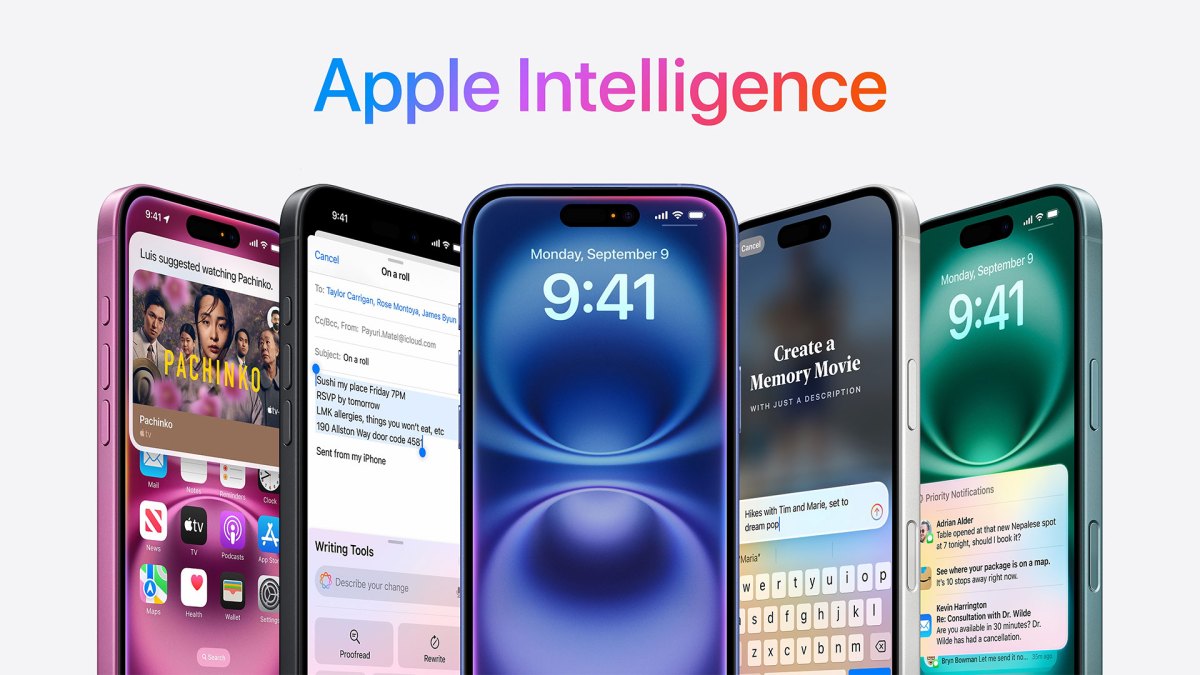
On September 19, 2025, iOS 26 was rolled out to all users, and developers quickly focused on Apple’s provided “local AI models,” attempting to move intelligence that used to run in the cloud onto users’ devices. TechCrunch listed multiple updated use cases: notes and writing tools now perform long‑form summarization and key‑point extraction locally; mail and instant messaging apps offer smart replies and highlights while offline; photo and accessibility apps move image understanding and automatic alt‑text generation to the device to avoid uploading sensitive photos to servers.
Developers generally cite three primary benefits of on‑device models: privacy, low latency and offline availability. The article notes that Apple opened capabilities to third‑party developers through a set of localized model interfaces (Apple Intelligence / Local Model APIs). Models run on the device’s neural engine or custom chips, reducing network round trips. This is especially important for interactions that require immediate feedback—such as real‑time camera analysis, speech transcription, or conversational assistants.
At the same time, TechCrunch emphasizes that real‑world deployment is not without friction. Commonly raised challenges include large differences in inference speed and memory across device generations (from older A‑series chips to the latest M‑series chips); tensions between model size and user storage that require on‑demand downloads, tiered models and quantization to balance experience and footprint; and the impact of background execution on battery consumption in mobile scenarios.
To address these issues, engineering teams have adopted various approaches: splitting heavy tasks into lightweight local preprocessing plus cloud refinement hybrid pipelines; offering in‑app “local‑first/cloud‑first” toggles so users can choose based on network and privacy preferences; applying quantization and distillation to models, and using multi‑stage loading strategies that download a small model first to ensure instant responses, then fill in more accurate weights in the background when the device is idle.
The TechCrunch report also notes the influence of regulation and platform rules: Apple enforces sandboxing and permission controls for models running on device, and model acquisition and updates generally rely on system distribution mechanisms or in‑app on‑demand resources rather than arbitrary file downloads—an approach that protects users but also limits some developer flexibility. Content safety review, abuse prevention and correction for misclassifications have become necessary parts of product design.
By product type, the earliest beneficiaries are applications sensitive to privacy and latency: health and accessibility tools, photo apps and local document managers, and creative tools that need instant feedback. Multiple developer comments cited in the article indicate that, although iOS 26’s local models are still in early iterations, users are already seeing noticeable improvements when offline or on low bandwidth.
Apple’s September 19, 2025 update helped move “local AI” from concept to usable technology, but broader adoption in the Apple ecosystem will depend on compromises across hardware improvements, model efficiency, and more mature distribution and permission mechanisms. Developers are using engineering and product design to turn these new capabilities into pocket‑scale intelligent features that appeal to users who prioritize privacy and immediacy.