
Introduction: A milestone upgrade for AI video technology
On October 15, 2025, Google officially unveiled its latest video generation model, Veo 3.1, marking another major step forward for AI in creative content. As the newest iteration of the Veo series developed by Google DeepMind, Veo 3.1 features comprehensive optimizations in audio generation, narrative control, and image‑to‑video conversion, designed to provide developers, creators, and businesses with more efficient and realistic video tools. Compared with Veo 3 released at Google I/O 2025 in May, Veo 3.1 introduces multiple innovations that not only improve generation quality but also expand creative possibilities. TechCrunch reported that the update directly responds to user demand for more natural audio and fine‑grained editing, helping AI video move from experimental use toward practical applications. Veo 3.1 has been integrated into the Gemini API and is available to developers as a paid preview, accessible via Google AI Studio and Vertex AI. Google also released a Veo 3.1 Fast variant that offers faster generation speeds suitable for real‑time applications.
This release is not an isolated event but part of the Google AI ecosystem. Ars Technica noted that Veo 3.1's innovations stem from DeepMind's accumulation in multimodal AI, combined with Gemini's language understanding capabilities to enable seamless generation from text and images to video. Mashable emphasized that Veo 3.1's rollout comes amid active competition from rivals such as OpenAI's Sora 2, with Google stressing practical innovations to strengthen its position in the generative AI market. The following sections analyze Veo 3.1's core innovations and show how it reshapes the video creation workflow.
Innovation 1: Native audio generation revolution — synchronized dialogue and sound effects
The standout feature of Veo 3.1 is its comprehensive upgrade to audio generation. Unlike prior models that produced silent video or simple background music, Veo 3.1 introduces "richer native audio" capabilities that can generate natural dialogue, ambient sounds, and synchronized music, all highly matched to the video content. Google's developer blog explains this innovation is based on advanced audio‑visual synchronization algorithms that ensure lip‑sync and spatiotemporal consistency of sound effects. For example, when generating a street conversation scene, the model can automatically add background noise, traffic sounds, and expressive speech, enhancing the video's immersion. VentureBeat reported that this feature improves audio realism by 30% compared with Veo 3, addressing the previous pain point of AI videos being "mute."
Behind this innovation is DeepMind's multimodal training technology, with the model learning end‑to‑end from massive video‑audio datasets. 9to5Google gave an example: when generating a sci‑fi short, Veo 3.1 can automatically add laser gun sounds and background score based on prompts, reducing post‑production needs. Developers can call these features through the Gemini API, for example by specifying audio parameters in Python to achieve custom audio track blending. This not only lowers the barrier to creation but also offers new tools for advertising, gaming, and educational content.
Innovation 2: Enhanced narrative control and cinematic understanding
Veo 3.1 achieves breakthroughs in narrative control by offering "more powerful narrative control" and a deeper understanding of cinematic styles. The model better interprets plot development, shot transitions, and emotional arcs in prompts to ensure logically coherent videos. Engadget reported that this improvement, enabled by integrating Gemini's natural language processing capabilities, allows precise responses to complex prompts, such as generating a short video with a "hero's journey" structure and automatically handling twists and climaxes. Compared with Veo 3, Veo 3.1's prompt compliance rate increased by 20%, reducing the generation of irrelevant content.
Specifically, the model supports multiple cinematic style simulations, such as the look of Hollywood blockbusters or the artistic feel of indie films. Google emphasized this feature results from training on millions of film frames, helping creators explore new narrative forms. CometAPI analyzed that Veo 3.1's innovation lies in its "enhanced realism," capturing real textures and lighting to make videos closer to professional production. On X, TechCrunch shared an example: a high‑dynamic video generated from the prompt "a city chase on a rainy night," showcasing smooth camera motion and emotional tension.
Innovation 3: Major optimizations for image‑to‑video conversion
Veo 3.1 includes significant optimizations for image‑to‑video conversion, delivering higher visual quality, audio synchronization, and character consistency. The developer blog explains the new model greatly improves detail preservation and motion smoothness when generating dynamic video from static images. For instance, when generating a dialogue video from a portrait photo, the model can maintain consistent facial expressions and avoid "face swap" issues. Ars Technica noted this innovation reduces computational waste, allowing users to produce higher‑quality outputs.
New creative tools further amplify this innovation:
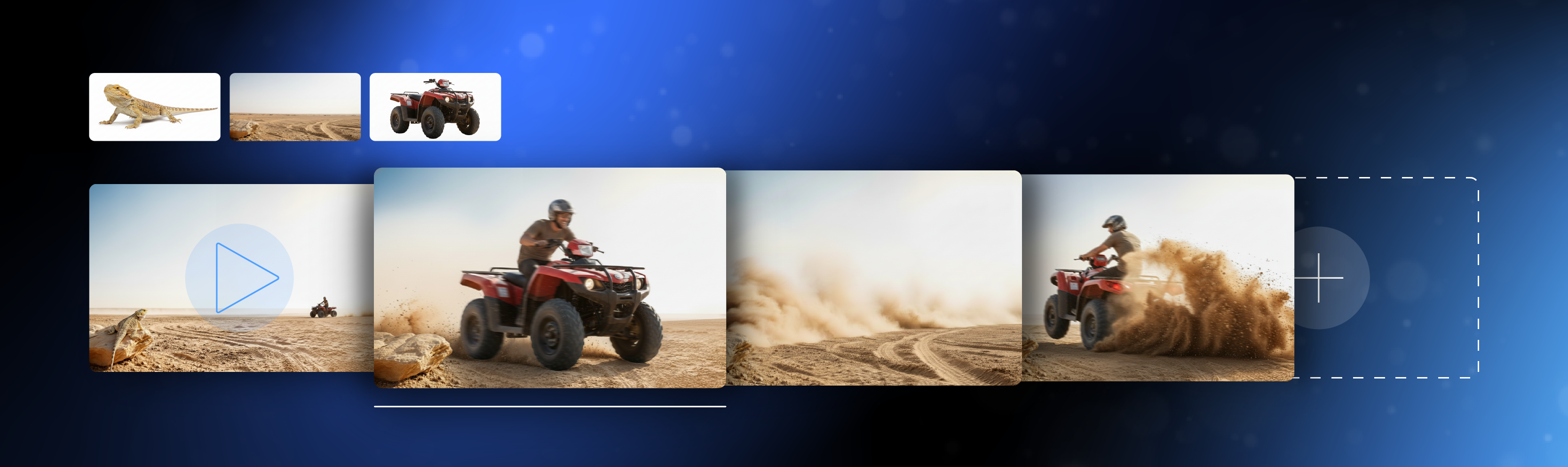
- Ingredients to video: Users can provide up to three reference images (such as characters, objects, or scenes) to guide generation and ensure consistency. Sample code allows developers to upload images to achieve style transfer.
- Scene extension: Extend new segments based on the last second of an existing video, supporting generation of videos longer than one minute while maintaining visual and audio continuity.
- First and last frame: Generate transitional video from starting and ending images to create smooth scene changes.
These tools are available in the Veo Studio demo app and require a Gemini API key. CNET Japan reported that these functions are similar to professional editing software but are AI‑driven, greatly simplifying workflows.
Availability and ecosystem integration
Veo 3.1 is being rolled out as a paid preview, with pricing matching Veo 3, and developers can experiment in Google AI Studio for free. It is integrated into the Flow video editor, offering finer editing controls such as granular adjustments and rapid iteration. Partners including Promise Studios and Latitude have adopted Veo 3.1 for storyboarding and narrative engines, demonstrating its potential in film production.
Impact and outlook: reshaping the creative industries
Veo 3.1's innovations not only raise AI video quality but also lower barriers, promoting creative democratization. ITmedia reported it can produce "more natural" audio‑video suitable for advertising and education. However, challenges remain, including copyright and ethical issues, and Google has pledged to strengthen safety protections. In the future, the Veo series may integrate with more APIs to drive explosive growth in AI‑generated content.
This release reinforces Google's head‑to‑head positioning against OpenAI's Sora 2 in AI‑generated video, heralding a new era for video creation. Developers are eager to explore these innovations and anticipate further breakthroughs.