
In the increasingly competitive generative AI image tools landscape of 2025, following the release of Gemini 3, Google DeepMind today officially introduced Nano Banana Pro, an upgraded image‑generation model based on Gemini 3 Pro. The model represents another major effort by Google in AI creative tools, bringing more powerful editing features, higher‑resolution output, more accurate text rendering and web‑search integration. According to an official Google blog post, Nano Banana Pro is now available to users through Gemini apps, Google Ads and Workspace, and all generated content is embedded with SynthID watermarks to ensure transparency. DeepMind Vice President of Product Josh Woodward said, "Nano Banana Pro is not a simple iteration but moves image generation closer to the needs of professional creators. It shifts AI from 'one‑off generation' to an era of 'fine‑grained control.'" This release follows Gemini 3 Pro and arrives amid competition from OpenAI DALL‑E 3 and Stability AI Stable Diffusion 3.5, with Google leveraging its multimodal ecosystem. TechCrunch reported that in early benchmark tests, Nano Banana Pro achieved 95% text‑rendering accuracy, well above the previous Nano Banana's 80%. The developer community responded enthusiastically; Simon Willison called it "the best image‑generation model currently available" on his personal blog. This quietly launched model could reshape the AI image tools market and accelerate a shift from consumer entertainment to enterprise‑grade creation.
The launch of Nano Banana Pro stems from Google's continuous iteration on image‑generation technology. Since the 2024 debut of Nano Banana, the series has expanded from basic text‑to‑image generation to multimodal editing. At Google I/O in May 2025, Gemini 3 Pro laid the groundwork with support for more complex visual reasoning. Nano Banana Pro, as a vision‑specialized variant of Gemini 3 Pro, focuses on "studio‑quality controls," allowing users to finely adjust outputs via prompts, such as changing the position of a specific object or blending styles. The Google Cloud blog emphasized that the model is available to enterprise users and supports large‑scale deployment through the Vertex AI platform. Unlike previous versions, Nano Banana Pro introduces web‑search grounding, which can extract references from live web data to improve realism and relevance. For example, when a user asks for "an autumn scene in New York's Central Park," the model will search for recent photos to ensure leaf colors and lighting are accurate. SynthID watermarks are embedded in all outputs to ensure traceability and deter misuse.
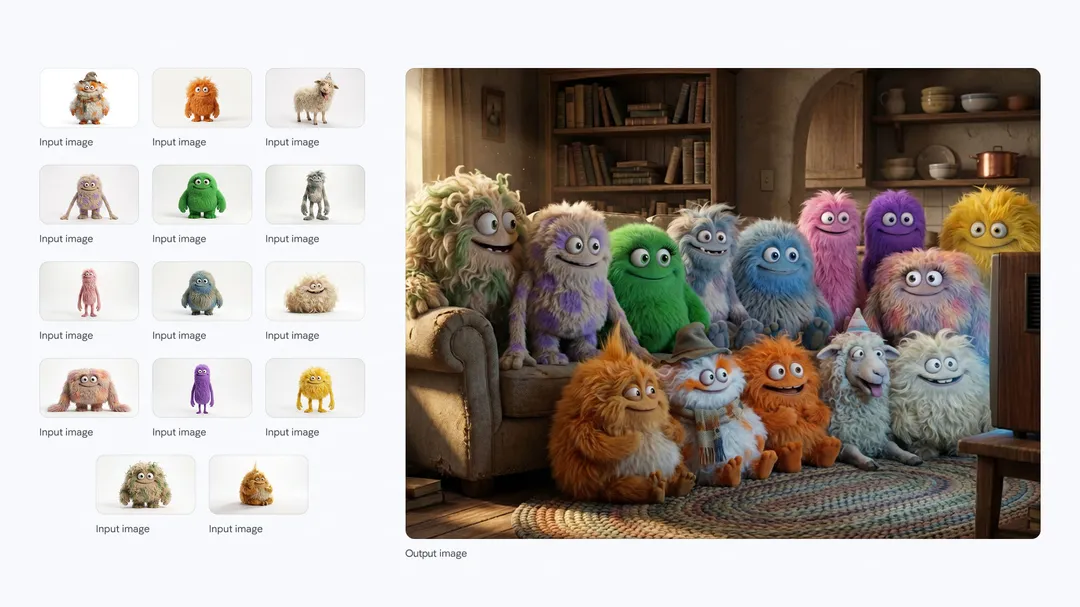
From a technical perspective, the core highlights of Nano Banana Pro are dual upgrades in "editing and realism." Its architecture is built on Gemini 3 Pro's Transformer foundation combined with a diffusion‑model variant, supporting 4K output and 14‑image compositing. Unlike DALL‑E 3's static generation, it offers an "iterative editing" capability: users can modify an initial image through subsequent prompts, for example, "change the background from sunset to nighttime." WIRED's hands‑on tests showed text‑rendering accuracy rising to 95%, able to generate complex phrases such as "Google I/O 2025 Innovation Summit poster" with natural fonts and layouts. Web‑search integration is another killer feature: the model pulls real‑time data from Google's index to reduce hallucinations — for instance, when generating a "2025 Paris Olympics opening ceremony concept image," it will reference the official visual guidelines. The model contains hundreds of billions of parameters, was trained on TPU v5p clusters, and supports distributed inference. Droid Life reported strong potential for use in Google Ads, with automated marketing image generation expected to boost conversion rates by about 20%. The enterprise edition is offered through Vertex AI with API access, priced at $0.005 per image and including SynthID tracking.
Nano Banana Pro's applications span personal creation to enterprise marketing. First, "creative editing": users can iterate from sketches to professional images, for example, a designer providing a "modern living room sketch" can receive a 4K rendered version with style transfer (from photorealistic to cartoon). Stark Insider reported that Workspace integration allows Google Docs users to generate illustrations with one click, improving document visualization. Second, "marketing automation": Google Ads users can generate ad creatives with high accuracy in text overlays, reducing manual image editing by 50%. Rolling Out noted its potential for social media content creation, generating personalized memes from user descriptions. Third, "enterprise visualization": via Vertex AI, developers can build custom pipelines, such as generating dynamic reports from chart data. MacRumors testing showed faster rendering in iOS apps compared with DALL‑E, with latency as low as 3 seconds. SynthID watermarks ensure commercial compliance and help prevent copyright disputes.
The impact of this release is far‑reaching. Nano Banana Pro signals Google's expansion from "search AI" toward "creative AI," challenging market share held by OpenAI DALL‑E 3 and Midjourney v6. CNBC reported that the news contributed to a 4% rise in Alphabet's share price on Thursday, returning market capitalization to $2 trillion. Simon Willison called it "the best image‑generation model currently available," with top scores in editing tasks. The developer community reacted strongly: a Reddit r/MachineLearning thread titled "Google's Nano Banana Pro is too strong, text rendering finally not lame" received 500+ upvotes. WIRED's hands‑on review showed excellent performance in "assembling independent characters into scenes," combining multiple images into a coherent narrative. Enterprise feedback was positive: the Google Cloud blog cited Vertex AI users reporting a 30% productivity increase. However, criticisms emerged. Some users complained that web‑search grounding can occasionally delay by 5 seconds, affecting real‑time creation. Privacy concerns surfaced: although SynthID watermarking is helpful, multimodal input data collection has drawn GDPR scrutiny. Droid Life pointed out that high‑resolution output requires powerful hardware and is not mobile‑friendly.
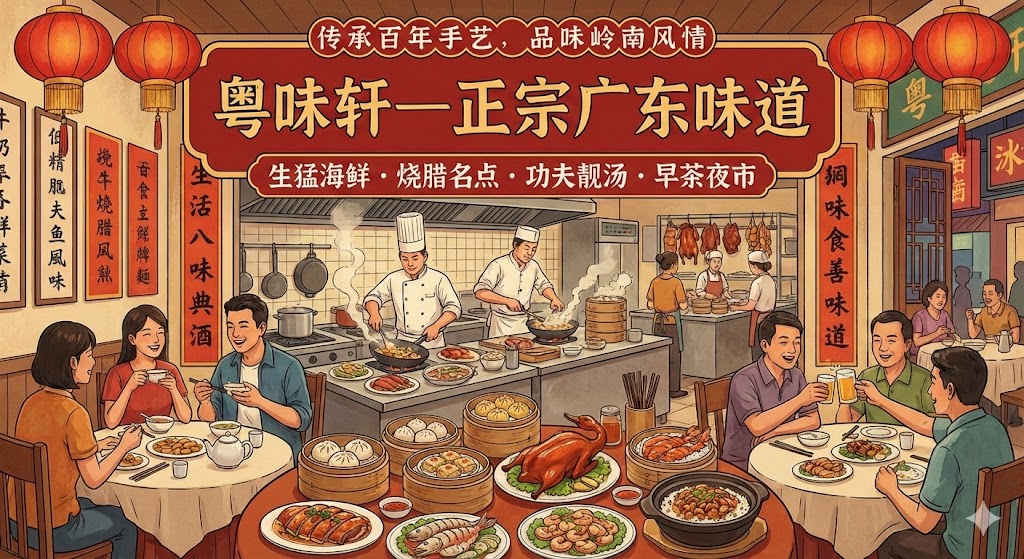
Based on post‑launch user trials, Nano Banana Pro's handling of handwritten text has reached a very high level, surpassing current text‑to‑image models, with especially notable advances in processing Chinese characters.
From a broader perspective, Nano Banana Pro strengthens Google's ecosystem advantage in generative AI. In 2025 the image‑generation market reached $50 billion, and Google is locking in enterprise share through Ads and Workspace. Compared with Stability AI's open‑source Stable Diffusion 3.5, Nano Banana Pro's closed design ensures consistent quality but limits customization. Looking ahead, DeepMind plans to expand into video editing; Woodward revealed, "Nano Banana Pro is a starting point, and support for dynamic sequence generation will arrive in 2026." Challenges include intensifying competition: OpenAI's DALL‑E 4 is expected next year with a focus on video integration.
The release of Nano Banana Pro may usher in a new era of AI image creation. In the creative economy it makes professional tools more accessible to the public. How other Silicon Valley players will respond to this breakthrough remains to be seen.