
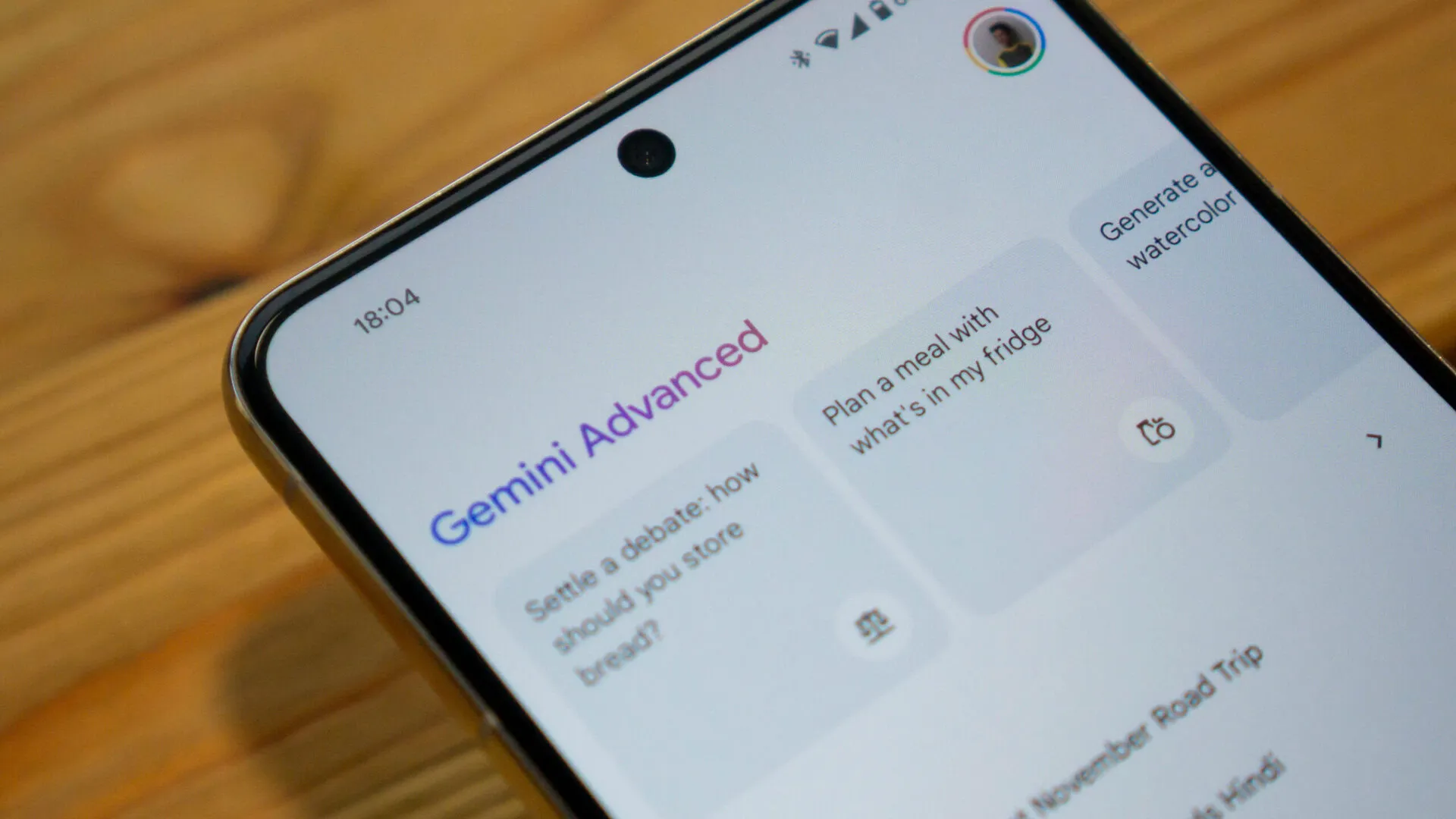
On April 30, 2026, Android Authority reported that Google is considering introducing ads into the Gemini AI chatbot. The news quickly drew industry attention. Although Google has previously said the Gemini app had no plans for ads, Chief Business Officer Philipp Schindler recently told investors that Google is "open" to placing ads in Gemini. This potential shift marks an important step in Google's AI product commercialization and signals a move from a "pure" experience toward an "ad‑supported" model for AI chat tools.
As Google's flagship AI product, Gemini is deeply integrated across search, writing, coding and other scenarios. The Gemini app currently maintains a relatively "clean" interface without direct traditional ads. But as AI infrastructure requires massive investment (Google and other giants have poured tens of billions of dollars into AI), balancing huge costs with sustainable revenue has become a practical challenge for Google. Introducing ads is seen as an important monetization path.
From experiments to possibility: the path to ads in Gemini
Google has already tested ad formats in AI‑related search products. For example, AI Overviews and AI Mode have begun to display commercial information or sponsored content. These tests provide experiential reference for directly placing ads in Gemini. Philipp Schindler said that if AI Mode's ad model proves user‑friendly and effective, similar mechanisms could be extended to the Gemini app.
There is currently no official timeline or detailed ad format confirmed. Industry speculation includes:
- Contextual recommendations (for example, naturally inserting brand information when a user asks about a product)
- Sponsored generated content
- Native ads or feed‑style displays
Unlike traditional search ads, Gemini's conversational interaction requires ad formats to be more natural and less intrusive; otherwise they risk provoking user backlash. Google will need to find a delicate balance between providing "useful commercial information" and avoiding "disruptive experiences."
Potential impact on user experience
Upside: Free or lower‑tier users could receive more Gemini usage allowances. Ad revenue can subsidize compute costs, helping Google remain competitive in the AI race, which could ultimately benefit users with more powerful models, faster responses and richer features.
Concerns: Gemini is currently known for a "clean, focused" interface, and introducing ads could undermine that advantage. Users conducting deep conversations or creative work could be interrupted by commercial messages, noticeably degrading the experience. Ads appearing in sensitive topics or professional consultations may particularly affect trust.
Similar concerns have arisen with other AI tools. Subscription models such as ChatGPT Plus exist partly to provide an "ad‑free" experience. If Google introduces ads into Gemini, it will need to design ad delivery carefully to avoid "low‑quality ad proliferation" or excessive algorithmic commercialization.
Broader implications for Google's business model and the AI industry
1. Revenue structure optimization
Google's core revenue has long depended on search advertising. Gemini and other AI products are currently monetized mainly through subscriptions (Gemini Advanced) or enterprise services, which are relatively limited in scale. Introducing in‑app ads could significantly expand AI product monetization, easing pressure from high AI infrastructure costs. This would help Google maintain financial resilience against competitors such as OpenAI and Anthropic.
2. Reshaping the AI advertising ecosystem
Ads in Gemini would promote a new paradigm of "conversational advertising." Traditional keyword ads may shift toward "intent understanding + natural recommendations." For advertisers this is an opportunity—more precise targeting and higher conversion potential; for the AI advertising market, it is an important milestone. After 2026, AI chat tools are expected to become a major new advertising medium.
3. Changes in competitive landscape
OpenAI's ChatGPT has explored paid and enterprise routes, and Anthropic focuses on safety and paid offerings. If Google successfully implements an effective ad model in Gemini, it could dominate the free/mass market. But this may also accelerate industry segmentation: premium users seeking a clean experience may opt to pay, while mass‑market users accept ad‑supported free services.
4. Regulatory and ethical challenges
AI advertising must meet strict transparency requirements to avoid misleading users. Regulators may strengthen rules on commercial disclosure in AI‑generated content. Data privacy issues will become more prominent—how Gemini conversation data is used for ad targeting while protecting user privacy will be a central focus.
5. Long‑term effects on users and society
On the positive side, ad‑supported models can accelerate AI adoption and let more people benefit from powerful AI tools. On the negative side, if poorly designed, ads could deepen information silos and attention fragmentation. Making ads both commercially viable and genuinely useful will test Google's product judgment.
Conclusion: AI commercialization enters a new stage
The possibility that Google may introduce ads into Gemini reflects the AI industry's shift from a "spend‑to‑win" race toward sustainable profitability. Technological progress creates great value but requires matching business models to sustain it.
For Google, this is a test of balancing user experience with revenue growth; for the industry, it signals the coming era of conversational AI advertising. Whatever form it ultimately takes, 2026 is shaping up to be a key year for accelerating AI product monetization. Users, advertisers and platforms will together shape the future of this new ecosystem.
▶️ Enjoy this story? Creating content is hard work!
Follow our YouTube channel:
AI Rosetta
Your likes, subscriptions and shares are our greatest support! 🙏
For more AI news visit:
https://www.airosetta.com