
On May 12, 2026, Alphabet’s Google previewed a series of AI features for the Android 17 operating system at "The Android Show: I/O Edition," centering on Gemini Intelligence. These updates appeared weeks ahead of the major Siri upgrade Apple is expected to announce at WWDC 2026, aiming to solidify Google’s lead in mobile AI and equip devices such as Pixel and Samsung Galaxy with more powerful intelligent agent capabilities.
Google emphasized that Gemini Intelligence is no longer a simple chat assistant but an "active AI agent" capable of executing multi‑step automated tasks across apps. Users can issue natural language commands for complex operations — for example extracting a book list from emails, placing orders automatically, generating customized widgets, or having Chrome browse pages automatically. These features will debut in summer 2026 on new Samsung Galaxy phones and the Google Pixel 11 series, then roll out to more Android devices.
Key innovations
1. Gemini Intelligence multi‑step automation
Gemini can interact directly with apps on the phone to autonomously complete flows like "select takeout → place order → confirm" or "extract information from an email → add to calendar," with final confirmation by the user. This agent‑style capability significantly boosts everyday efficiency.
2. Visual context understanding and Magic Pointer
Gemini supports on‑screen context analysis, understanding what is displayed and offering intelligent suggestions. For example, when hovering or pointing at a location, Gemini can auto‑summarize a PDF, convert a doodle into a to‑do item, or generate charts from tables.
3. Personalization and privacy protections
The new features deeply integrate user data (calendar, Gmail, etc.) while emphasizing local processing and user control. Google highlighted privacy‑by‑design, stating that data will not be uploaded to the cloud without permission.
4. Other practical upgrades
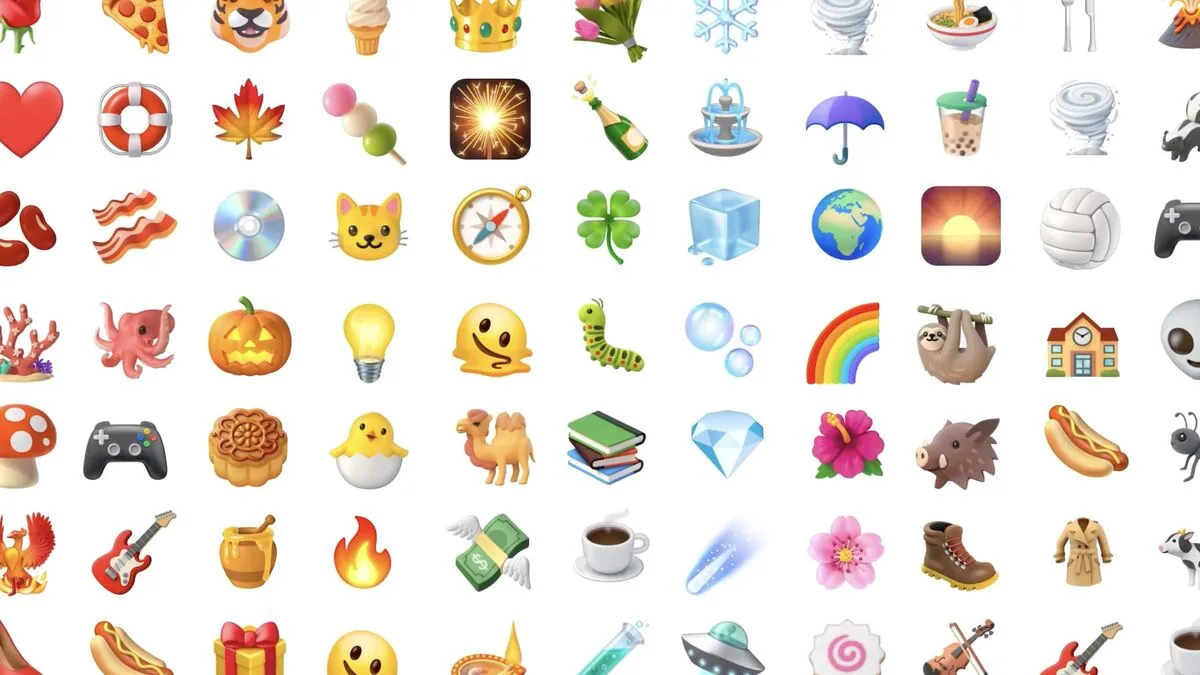
Improvements include significantly better Instagram video upload quality, redesigned emoji, and more creator tools. These enhancements aim to improve daily user experiences, especially in content creation and social sharing.
In addition, Google introduced the "Googlebook" notebook platform in partnership with Dell and HP, blending Android and ChromeOS features to further expand the AI ecosystem.
Industry and user impact
1. Intensified mobile AI competition
Google’s move is clearly aimed at Apple’s forthcoming Siri overhaul. Siri is expected to integrate large AI models more deeply to enable more natural conversations and agent capabilities. By acting first, Google seeks to capture mindshare and reinforce Android’s market position, which exceeds 70% global share. This will accelerate the industry’s shift to an "AI‑first" mobile paradigm.
2. A revolution in user experience
For ordinary users, Gemini Intelligence could turn phones from "tools" into true "intelligent assistants." Multi‑step automation and contextual understanding will substantially reduce manual operations, benefiting busy professionals, creators and small business owners. However, it also increases user reliance on AI, raising new privacy and learning‑cost considerations.
3. Developer and ecosystem effects
Android’s open ecosystem is likely to attract more developers building around Gemini Intelligence, creating a virtuous cycle. At the same time, Google’s deep integration of AI features may draw increased antitrust scrutiny from regulators such as those in the EU, as indicated by prior trends. Small and mid‑sized businesses and developers will need to adapt quickly to the AI agent development paradigm.
4. Hardware and supply‑chain implications
Higher compute requirements for AI features will benefit chipmakers like Qualcomm and MediaTek, and favor high‑end models from Samsung and Google’s Pixel line. Upgrade cycles for mid‑ and low‑end devices may lengthen, further segmenting the market.
5. Broader economic and social significance
This update accelerates AI’s shift from the cloud to edge devices, helping to democratize AI access. It may also widen the digital divide (with high‑end device users seeing greater benefits) and raise energy‑use concerns. Over the long term, efficient mobile AI agents could boost overall productivity, but issues such as security, bias and workforce adjustments must be addressed in parallel.
Conclusion: An AI arms race between Android and iOS
The Gemini Intelligence updates in Android 17 are not just technical iterations but a strategic first move. By seizing the narrative before Apple’s Siri revamp, Google showcases its deep accumulation in mobile AI.
With the Pixel 11 and Galaxy S26 series launching and WWDC 2026 approaching, 2026 may become the year mobile AI experiences explode. Users will ultimately benefit from this competition, and which company—Google or Apple—defines the next generation of mobile intelligent assistants will soon become clear.
▶️ Enjoyed this article? Creating content takes work!
Follow our YouTube channel:
AI Rosetta
Your likes, subscriptions and shares are our greatest support! 🙏
More AI news at: https://www.airosetta.com