
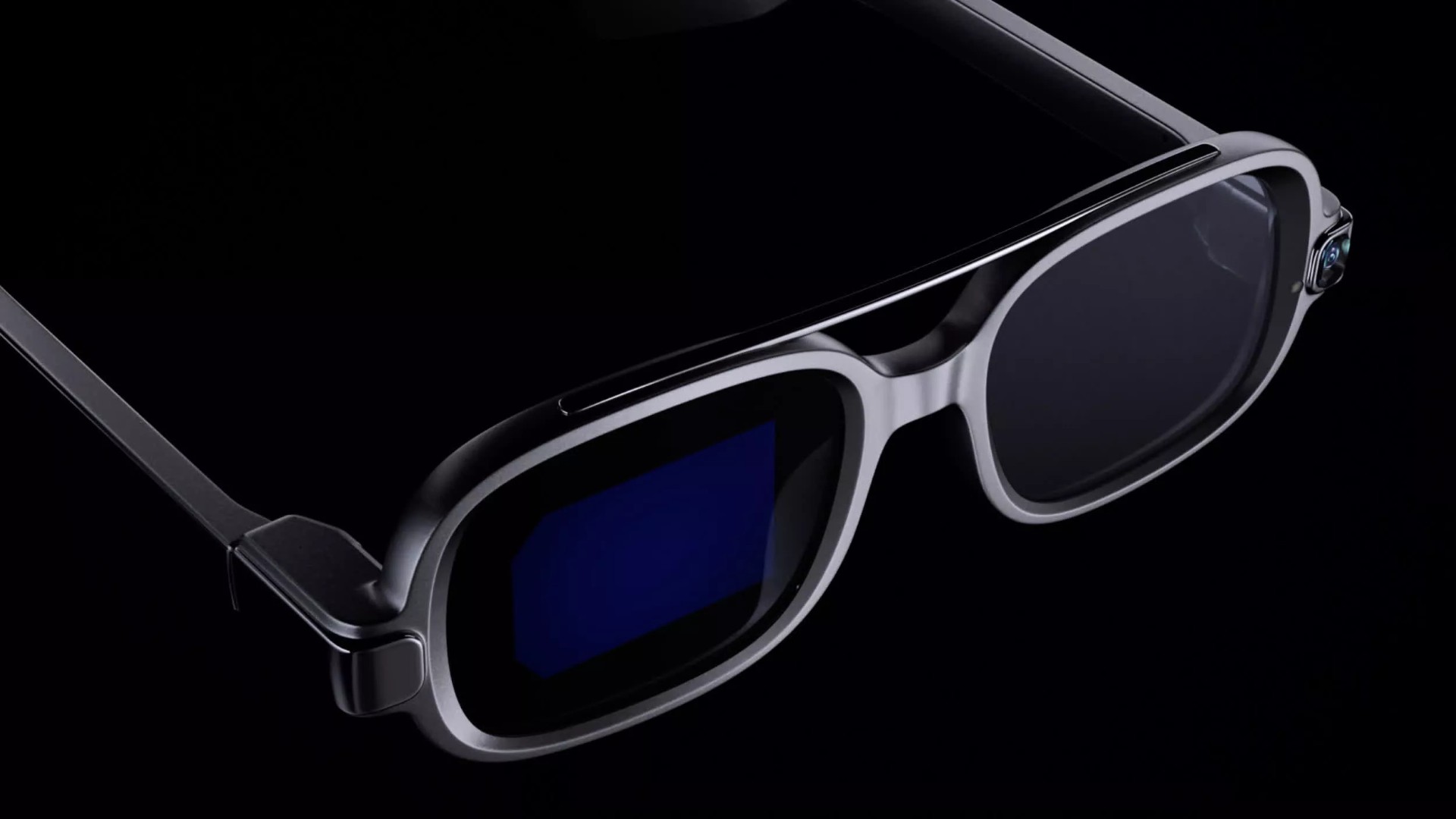
September 2, 2025, Wccftech reported, citing sources close to the project, that Google has completed the engineering phase of development for its AI glasses but has not determined an official market launch date. The report specifically notes that Taiwanese firm HTC is seen as the contract manufacturer (CM) and will be responsible for assembly and mass‑production preparations.
The report states the project has reached the stage of finalized prototypes and small‑batch trial production, with engineering teams focusing on hardware wearability and thermal management. Sources say the design aims for lightweight construction and comfort for regular eyeglass use, while leaving additional internal space to accommodate future upgrades to sensing and compute modules.
Regarding AI capabilities, Wccftech points out the glasses are expected to deeply integrate Google’s voice assistant and visual AI features, but the company has not disclosed final use cases, privacy control details, or the specific on‑device versus cloud compute allocation. The report emphasizes that even though development is "complete," commercialization still requires assessment of supply chains, regulatory compliance, and market timing.
HTC being named as the contract manufacturer is not accidental: HTC has long experience in VR/AR hardware production and precision assembly. Wccftech’s sources say the two companies have had multiple rounds of communication during the engineering prototype phase and have conducted production‑line assessments and testing plan development for subsequent mass production. However, HTC’s final capacity arrangements and contract details have not been made public.
The report also notes that Google has not reached internal consensus on when to bring the product to market. Some teams favor waiting until hardware and software features are more mature and regulatory and privacy strategies are fully in place; others advocate an earlier launch to seize first‑mover advantage in AR/AI wearables. Wccftech stresses that what is visible externally is a completed development prototype, not a mass‑produced retail product.
For potential consumers and developers, this means that in the short term they may only see demo units through Google’s developer or partner channels, while a full commercial release will depend on Google’s official announcements and follow‑on supply‑chain developments. Wccftech’s concluding view is that completing development represents a technical milestone, but the path to commercialization remains uncertain.