
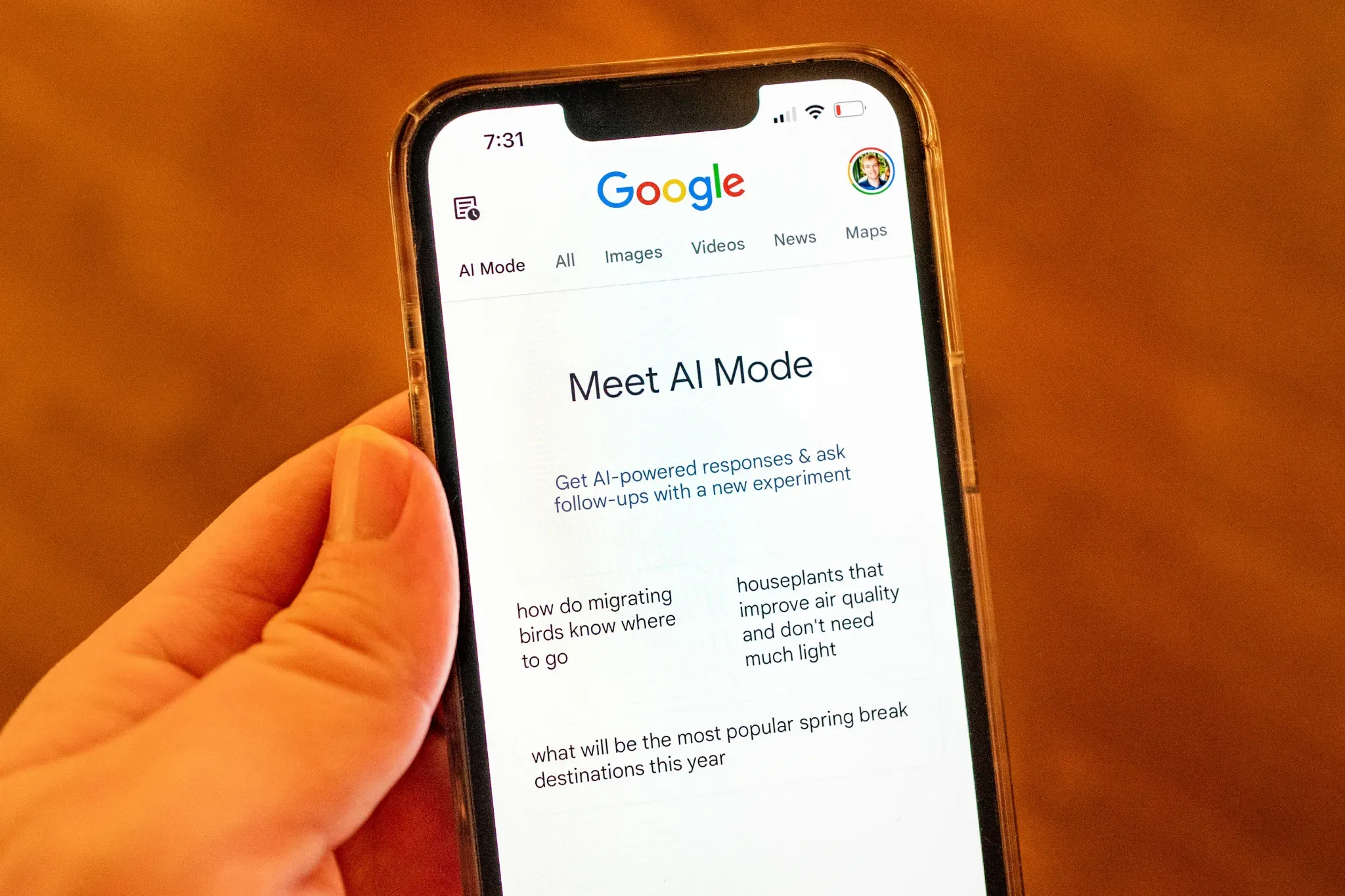
On March 4, 2026, Google announced it will roll out Canvas' "AI Mode" in Google Search to all U.S. users, limited to English. The feature combines the multifunction whiteboard experience with Google's latest Gemini model, aiming to expand Search from "finding answers" into a workspace for generating and organizing ideas.
Access is simple: when users make a relevant query in Google Search or trigger Canvas from a prompt on the search page, they see a blank canvas (or can choose a template). In AI Mode, users can enter natural‑language instructions directly on the canvas—for example, "Generate a task list and timeline for a three‑day indie game development plan"—and Gemini will break the instruction into multiple editable notes, steps and time nodes that users can drag, merge or delete on the canvas.
TechCrunch reports that Canvas' AI Mode not only generates text but also produces visual elements and simple sketches to help turn abstract ideas into visual outputs. For example, asking "Design a main screen prototype for a fitness app" prompts the system to produce several artboards, button layout suggestions and explanatory text; users can immediately edit the text, replace images or export the sketches.
On features, Canvas supports grouped notes, hierarchical steps and multi‑page canvases, and generated content can be further expanded or revised by Gemini. TechCrunch notes this interaction is not a one‑off static output: as users submit follow‑up instructions, the AI iteratively refines the plan or interface based on the current canvas state.
Google frames this rollout as part of "bringing AI into everyday search workflows." For common scenarios—event planning, project breakdowns, course outlines or app prototypes—Canvas' AI Mode aims to turn search results into actionable "drafts." Google also stressed the U.S.‑and‑English availability limitation, suggesting wider language and region support may come later.
On privacy and permissions, TechCrunch says Google continues its standard storage and sharing mechanisms: canvases can be saved to a user's account and shared or exported as needed. While the article does not disclose all backend details, the UI and prompts indicate Google is optimizing model generation and local interaction smoothness.
For creators and product managers, Canvas' appeal is "type less, build more." There's no need to switch between multiple tools: trigger inspiration from Search, generate a first draft with Gemini, rapidly iterate on the canvas and export assets—this streamlined flow can significantly reduce time from idea to prototype.
TechCrunch also reviewed Canvas' development: prior to this nationwide rollout, the feature underwent phased testing and limited experiences, with Google gradually adding templates and more refined generation capabilities. The March 4, 2026 national rollout marks Google's intent to position the tool as a core creative entry point within its Search product suite.
For everyday users the most immediate change is straightforward: the next time they need to build a plan or quickly produce a visual draft, they can try "Canvas in AI Mode" directly in Google Search instead of opening a dedicated whiteboard or design tool first. Developers and teams will watch whether the feature can integrate more deeply with Google Drive, workflow tools and third‑party services to become part of collaborative processes.
In short, the March 4, 2026 rollout further embeds Gemini's generative capabilities into the Search experience, upgrading "finding information" into an instant workspace for generating and organizing information where users can break down ideas into steps, visuals and deliverables and then edit or share them on the same page.
▶️ Enjoy this article? Creating is hard work!
Follow our YouTube channel:
AI Rosetta
Your likes, subscriptions, and shares are our greatest support! 🙏
More AI news at: https://www.airosetta.com