
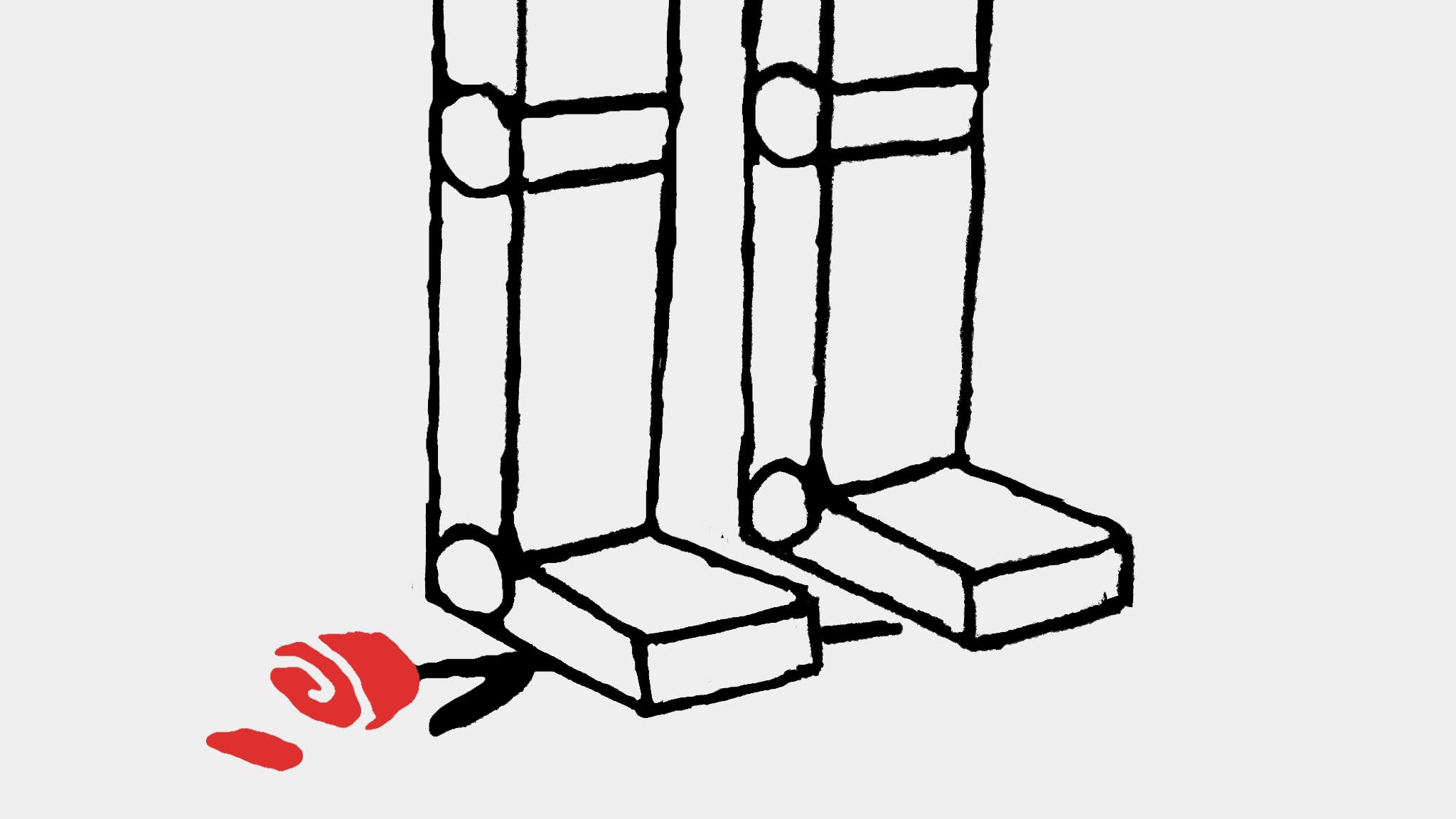
AI Is Dissolving Art's Magic: Financial Times Editorial Sparks Debate
Introduction: The Collision of AI and Art
On 21 October 2025, the Financial Times published an editorial titled 'AI is Killing the Magic', igniting intense debate across global cultural and technology circles. The piece directly addresses the profound impact of generative AI on the aesthetic experience of art, arguing that the technology is eroding the unique 'magic' of traditional artistic creation at an alarming pace. As of 12:00 NZDT this morning, the editorial had been widely shared on X, with more than 5,000 comments, reflecting public division over AI's role in the arts. The author contends that generative systems such as DALL·E 3 and Stable Diffusion, while impressive in efficiency and variety, may gradually sever humans' deep emotional ties to art.
Editorial's Core Argument: The Loss of Magic
The editorial's central claim is that generative AI, by producing artworks through algorithms, weakens the emotional investment and intuitive inspiration inherent in human creative processes. It cites a 2025 survey showing that 60% of art enthusiasts believe AI‑generated paintings lack 'soul' and are seen merely as technological products. For example, AI can instantly produce a Picasso‑style self‑portrait, but behind that image there is no artist's struggle, sudden flash of insight or cultural context—only a recombination of existing data. The editorial warns that such 'instant art' may turn audiences from contemplative appreciators into consumers, shifting aesthetic experience from immersive reflection to the pursuit of shallow gratification.
The article further notes that excessive use of AI is reshaping the art market. In 2025, AI‑generated works accounted for 30% of the NFT market, but their value often depends on scarcity rather than artistic merit, weakening the cultural transmission function of traditional artworks. X user @ArtCritic2025 commented: 'AI has turned art into mass‑produced goods; the magic is gone.' The editorial also suggests that AI's tendency toward 'perfection' could suppress human artists' experimental spirit, reducing creative diversity.
Technology as a Double‑Edged Sword
The Financial Times acknowledges that generative AI is not without benefits. It provides tools for beginners and lowers barriers to creation—for example, more than 5 million users worldwide reportedly used AI tools to create music or visual art in 2025. However, the editorial questions whether this 'democratization' is worth the cost, arguing that the homogenizing trend of AI works undermines artistic distinctiveness. It quotes a professor from a London art college: 'AI‑generated art lacks the traces of human failure, and it is precisely those flaws that form the soul of art.'
On the technical side, the editorial notes that AI models rely on large‑scale training datasets (such as the LAION‑5B dataset), which often include existing artworks and give rise to potential copyright disputes and cultural appropriation issues. In 2025, the European Union has put forward new rules addressing AI art that would require disclosure of generative sources, which may constrain AI's freedom. X user @TechEthicsNZ questioned: 'Is AI art innovation or plagiarism? Perhaps the magic has already been swallowed by algorithms.'
Social Reaction and Future Outlook
The editorial has provoked polarization. Supporters argue AI is part of art's evolution, comparable to the advent of photography; opponents fear it could end the role of human creators. The arts community has launched a 'Human Art Renaissance' movement and plans to hold an exhibition of purely handmade works in Paris in 2026. Discussions on X show younger generations are more accepting of AI art, while traditional art lovers call for protection of the 'magic.'
Conclusion
The Financial Times editorial 'AI is Killing the Magic' offers a stark account of the potential threats generative AI poses to the aesthetic experience of art. It cautions that technological progress should not come at the expense of emotional connection and cultural depth. While AI has undeniable merits in efficiency and accessibility, its tendencies toward homogenization and dehumanization may erode art's magic. Finding a balance for coexistence between AI and human creativity may become one of the art world's most pressing challenges.