
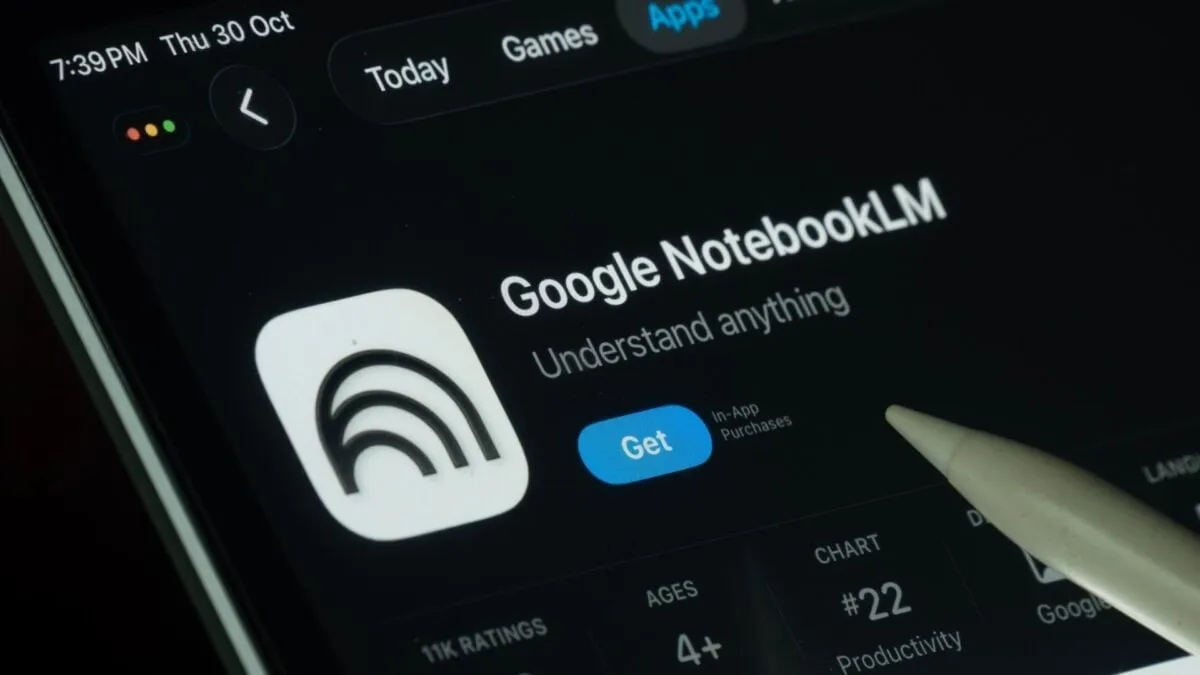
February 2026, a former NPR host filed a complaint in a U.S. court, alleging that Google copied and used his voice samples without permission in its experimental AI tool NotebookLM to generate podcast audio that sounds like him. The plaintiff lists multiple examples in the filing, saying the NotebookLM‑generated clips are highly similar to his earlier hosting voice in timbre, pausing patterns and intonation.
The complaint states that NotebookLM introduced a "podcast generation feature" allowing users to upload text and choose from several synthetic voices, and that the system can produce coherent podcast segments. The plaintiff alleges Google did not obtain his consent or enter into a license with him, and that the training data for these synthetic voices was "very likely" drawn from public audio, podcast archives or third‑party datasets, resulting in generated speech recognizable as his personal voice.
Legally, the plaintiff focuses on the rights of a public figure over likeness and commercial interests, arguing the replicated voice is closely tied to his identity and could be used to mislead listeners, harm his reputation or deprive him of control over commercial uses of his voice. The complaint also raises civil claims including infringement and unjust enrichment, asking the court to order the disabling of the relevant synthetic voice and to award damages.
Google responded via a spokesperson saying it has noted the allegations and is conducting an internal review. The company reiterated that its AI products commonly rely on collaboration and licensed materials and that it takes legal and ethical issues around voice synthesis seriously. The statement did not disclose specific NotebookLM training data sources nor did it explicitly admit or deny any unauthorized use.
Legal and industry observers say the case will hinge on several technical and legal intersections: whether the training sources for AI voice models constitute a use that appropriates an individual's voice; whether existing copyright and personality‑rights doctrines cover the re‑creation of "voice samples" produced by large‑scale training; and where responsibility lies between platforms and third‑party data providers.
Voice cloning is not a new issue. As model capabilities improve, similar disputes have become more common among news organizations, podcasters and technology companies. Legal experts warn that a court ruling could affect more than the parties involved, potentially setting precedent that would push companies to adopt stricter compliance in product design, data collection and user disclosures.
The plaintiff asks the court to immediately bar Google from continuing to use synthetic voices similar to his and to award appropriate compensation. Filing, hearing dates and whether Google will seek a settlement remain unclear. As the case progresses, NotebookLM's feature and major firms' compliance practices in voice synthesis will face closer scrutiny.
▶️ Enjoy this article? Creating these takes work!
Follow our YouTube channel:
AI Rosetta
Your likes, subscriptions and shares are our greatest support! 🙏
More AI news at: https://www.airosetta.com