
As artificial intelligence sweeps the smartphone industry, a product called "Doubao AI Phone Assistant" turned from a niche tech surprise into a nationwide storm within just three days. Co‑developed by ByteDance and ZTE Nubia, the AI assistant’s initial engineering units sold out, with scalpers marking prices up to a record CNY 12,900. Major platforms then enacted collective bans: users were forcibly logged out for account anomalies and payment functions were disrupted, provoking user complaints and wide media debate. ByteDance responded swiftly, disabling some cross‑app operation capabilities and pledging to coordinate with platform operators to establish guidelines. The episode not only exposed the teething pains of moving AI phones from concept to deployment but also ignited a traffic‑entry battle between super apps and AI assistants. As an early mover in 2025 AI phones, Doubao’s viral rise came from its disruptive experience, while the bans underscore the industry’s complex rivalry. Going forward, this could accelerate a reconstruction of the AI ecosystem, shifting consumers from passive tool users to active ecosystem participants.
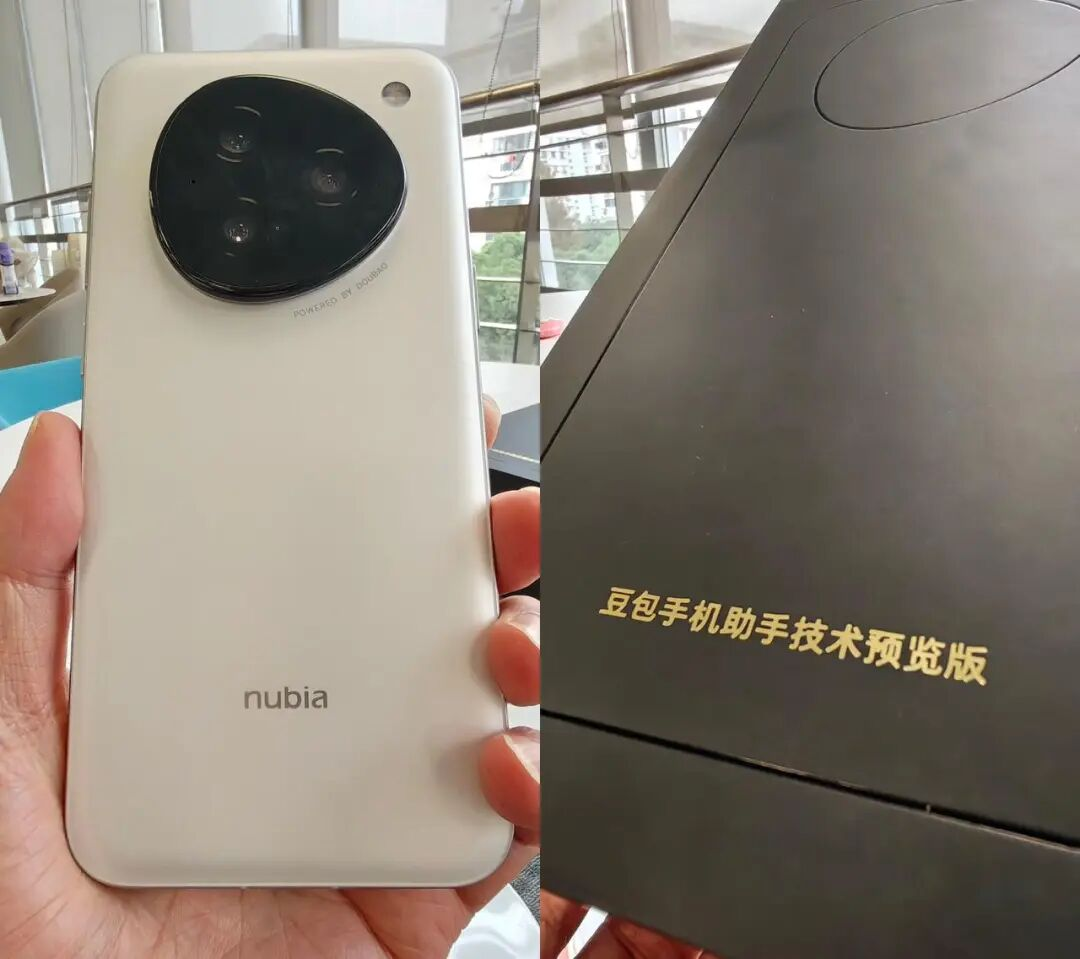
The origin of the Doubao AI Phone Assistant traces back to ByteDance’s ambitions in AI hardware. In late November 2025, ByteDance and ZTE Nubia launched the Nubia M153 engineering unit, featuring Doubao’s large model in a "GUI Agent" mode. This is not a simple voice assistant but a super agent that can autonomously operate across apps: a user can say "help me compare prices and buy a pair of running shoes," and it will open Taobao to search, switch to JD for comparison, use WeChat Pay, and even automatically grab tickets or book hotels. The initial 30,000 engineering units sold out immediately; scalper prices rose from CNY 3,499 to CNY 12,900, temporarily overwhelming platforms like JD and Tmall. User feedback poured in: a Beijing white‑collar worker shared on Xiaohongshu, "Doubao booked my flight and hotel in five minutes, saving a half day." Nubia president Ni Fei posted on Weibo: "The Doubao phone is not a phone, but your digital avatar." Within 72 hours the topic #DoubaoAIPhone# trended among the top searches with over 100 million views.
Doubao’s rapid rise was driven by multiple factors. First, the disruptive user experience was its strongest selling point. Traditional assistants such as Siri or Xiao Ai largely remain at Q&A and simple controls; Doubao adopts a GUI Agent architecture that can simulate human finger actions—swiping screens, tapping buttons, filling forms. This capability relies on Doubao’s large model visual understanding and reinforcement learning, with reported accuracy around 95%, well above competitors. In fast‑paced lives, common pain points—price comparison, ticket grabs, ride booking—consume time. Doubao’s one‑click automation evokes sci‑fi assistants like JARVIS. A Shanghai office worker wrote on Zhihu: "Using Doubao to auto‑book a flight saved me two hours of commuting time, totally worth it." Market research shows AI phone penetration reached 35% in 2025, and user demand for fully automated assistants surged by 200%.
Second, price and accessibility catalyzed the craze. The engineering unit was priced at CNY 3,499—far below the Apple Vision Pro’s 20,000+ CNY—while offering a similar "brain‑computer interface" experience. ByteDance’s backing combined with Nubia’s hardware optimizations (such as a 1.5K display and Snapdragon 8 Gen 3) drove middle‑class demand. A Counterpoint report estimated Q4 2025 China AI phone shipments at 50 million units, and Doubao’s debut was seen as a success. Social sharing amplified adoption: videos of Doubao "snatching concert tickets" had a 30% share rate. ByteDance’s ecosystem advantage was also significant: the Doubao model has over 200 million monthly active users, enabling deep integration with apps like Douyin and Xiaohongshu.
But the viral success had a backlash: on day three users reported WeChat accounts marked as "environment abnormal" and forced logouts, while payments on Meituan and Taobao froze. Tencent’s WeChat issued an announcement: "We detected abnormal operation patterns by the Doubao assistant suggestive of automation scripts and have restricted logins." Alibaba’s ecosystem acted more sharply: Taobao, Xianyu, Damai and other apps collectively refused Doubao logins, and some banking apps such as China Merchants Bank and CCB flagged "device anomalies." The incident escalated quickly—#DoubaoPhoneBanned# trended with 300 million reads. Tencent said: "To protect user privacy and security, the platform will strongly counter automated operations." Alibaba handled the issue more quietly, but internal documents show deployment of "anti‑AI assistant" detection measures.
The bans stem from dual anxieties over traffic and security. Super apps like WeChat (1.4 billion monthly active users) and Taobao (300 million daily active users) serve as users’ primary digital life entry points; Doubao’s cross‑app operations equate to "hijacking" that traffic—users can compare prices and bypass parts of the normal WeChat payment flow. Tencent’s financial reports show WeChat Pay contributes about 20% of revenue, so any intermediary threatens core interests. Security risks are more serious: AI automation could be used for fake transactions, fraud, or data exfiltration. Experts warn Doubao’s GUI Agent simulates human behavior so realistically that it could be abused. ByteDance moved quickly: on December 6 it disabled WeChat/financial/game operations and said it would work with Tencent on "AI operation guidelines." Nubia president Ni Fei posted: "The bans are industry growing pains, but the AI phone trend is irreversible."
The road ahead is uncertain but leans optimistic. In the short term, Doubao will focus on non‑sensitive scenarios such as note organization, translation and entertainment, with partial features expected to return in Q1. ByteDance plans a formal consumer phone in 2026 with deeper native app partnerships. In the longer term, AI phones could reshape the ecosystem: an OPPO‑IDC white paper projects GenAI phones will account for 50% of the market in 2026 with compute exceeding 100 TOPS. The bans may also spur industry standards—Tencent and Alibaba might open API interfaces in exchange for revenue sharing, forming an "AI + super‑app" alliance. Consumers would benefit from clearer privacy agreements and safer assistant functions. Regulation remains a challenge: the Ministry of Industry and Information Technology may issue "AI phone operation standards" to balance innovation and risk.
The Doubao episode is a painful milestone in AI’s real‑world rollout and a question for the era. In an internet age ruled by traffic, Doubao’s "butler dream" challenged the old order. Will ByteDance’s ambitions breach the walls of Tencent and Alibaba? Consumers are watching—the shift from "tap and click" to "speak and do" means intelligent living is arriving faster than expected.