
CES 2026 entered its second day (January 7) as the show continued in full swing across multiple venues including the Las Vegas Convention Center. As an annual flagship for the tech industry, the event’s opening signaled strong momentum in AI and consumer electronics, while day two emphasized more pragmatic innovations, concentrating on AI agents, smart home, robotics and consumer devices. According to the CES official site and live reporting from The Verge, the second day drew many industry visitors, with over 4,000 exhibitors and more than 2 million square feet of exhibition space. Unlike day one’s headline announcements such as Samsung foldables and Intel processors, day two highlighted ecosystem integration and everyday applications, marking an acceleration of AI from concept toward daily use. TechRadar and Engadget reported that the first‑day afterglow continued, but day two centered on robots, AI companions and smart devices, indicating a practical shift for 2026 tech. Real‑time discussions on X reflected consensus on deep AI integration across home and entertainment. This article, based on reliable sources including the CES website, CNET, Tom's Guide, AP News, The Verge and Mashable, reviews day two highlights and analyzes their technical details and industry impact.
AI Agents and Robots: New Partners in Smart Living
The AI focus on day two was dominated by agent‑like AI and robots, underscoring the “AI Everywhere” theme. LG showcased CLOiD household robot, an AI‑driven humanoid robot capable of handling complex chores such as folding clothing and kitchen tasks. AP News reported that CLOiD uses a Qualcomm robotics chip, supports real‑time learning and coordinates with home appliances; in demonstrations it folded a towel slowly but accurately in about 30 seconds. This robot signals a shift in household AI from single‑task devices to multifunctional systems, with a potential market in the hundreds of billions of dollars.
NVIDIA’s physical‑AI demonstrations continued the momentum from day one; the day two booth highlighted the Alpamayo model for autonomous driving. Tom's Guide’s live coverage noted that the model supports end‑to‑end inference and pedestrian behavior prediction, suitable for driverless vehicles. Uber showed renewed interest in the Robotaxi sector with a day two demo of AI route planning and plans to expand services in 2026. These showcases suggest agent AI will lead in transportation and home domains in 2026, with CNET commenting that “the robot era has arrived.”
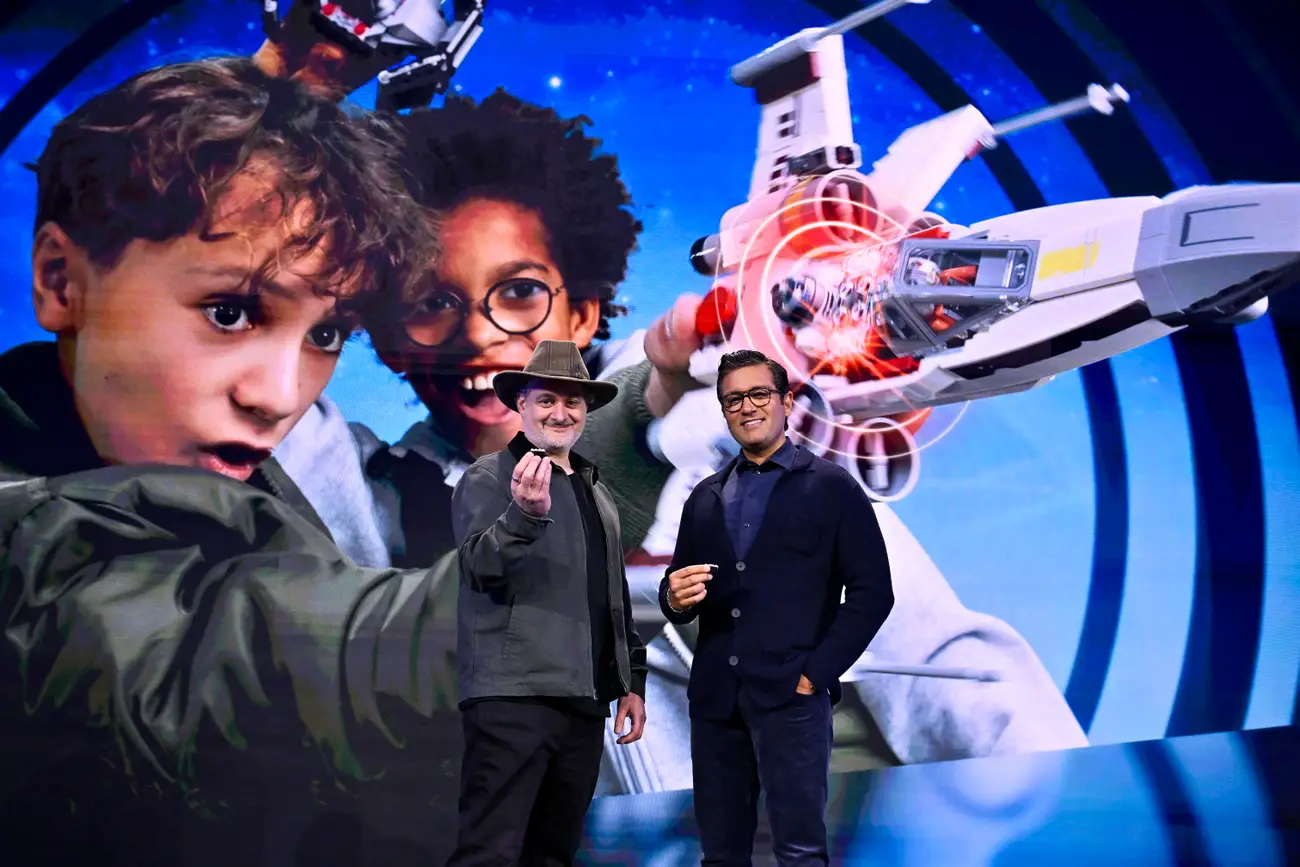
Additionally, Lego introduced the Smart Brick, the company’s largest update to its bricks in 50 years. The smart brick contains a 4.1mm ASIC chip and can respond to constructed objects—lighting up, playing sounds or recognizing structures. The Globe and Mail reported it will be first used in Star Wars sets at an affordable price, enhancing educational interaction for children. X users praised it for “bringing play to life with intelligence.”
Consumer Electronics Upgrades: Foldables and Audio Innovations
The consumer electronics zone on day two emphasized upgrades. Samsung’s booth highlighted the Galaxy Z TriFold tri‑fold phone, expanding to 10 inches with a thickness of 3.9mm. TechRadar reported it supports AI multitasking, peaks at 2600 nits brightness and has IP48 water resistance. The device competes with the Huawei Mate XT, marking a move from dual‑ to tri‑fold displays.
Dell refreshed the XPS 14 and 16 laptops with Intel Core Ultra Series 3 processors. The Verge reported these models return to the XPS line with integrated NPUs to support AI tasks and a thinner chassis. Mashable reporter Haley Henschel praised the engineering and design on hands‑on.
In audio, Klipsch unveiled the Atlas HP‑1 over‑ear headphones with USB‑C lossless audio support. Engadget noted a return to high‑fidelity design with strong sound, while wireless performance still needs verification. Govee released three smart lights, including a ceiling light for windowless spaces; Tom's Guide said its AI Lighting Bot 2.0 and DaySync systems are more intelligent.
Clicks launched the Communicator physical‑keyboard phone with a 3.5mm headphone jack. TechRadar described it as a tribute to BlackBerry, aimed at keyboard enthusiasts. SanDisk introduced a new high‑performance USB‑C SSD for fast storage.
Smart Home and Sustainability: AI Optimizing Daily Life
Highlights in the smart home area on day two included a Samsung voice‑controlled refrigerator. TheAI Library reported it integrates an AI management system to enhance user experience. On sustainability, exhibitors showcased AI energy‑saving solutions such as smart lighting optimized for efficiency. AP News noted a Star Wars interactive experience incorporating AI to allow users to control virtual characters by voice.
Impact Analysis: Day Two Signals a Practical Shift
Day two reviews reflect a practical turn in 2026 technology: AI is moving from day‑one concepts to applied solutions. Innovations like LG CLOiD and Lego Smart Brick point to new opportunities in home and education with potential markets in the trillions of dollars. Progress in Robotaxi demonstrations suggests an imminent expansion of autonomous transport, though safety regulation remains essential. Upgrades to Dell XPS and Klipsch HP‑1 highlight AI‑enhanced consumer electronics.
Environmental impact was notable: many day‑two exhibits emphasized green AI, but the energy consumption of the data centers supporting AI remains a concern.
▶️ Enjoyed this story? Creating this takes a lot of effort!
Follow our YouTube channel:
AI Rosetta
Your likes, subscriptions and shares are our greatest support! 🙏
More AI news at: https://www.airosetta.com