
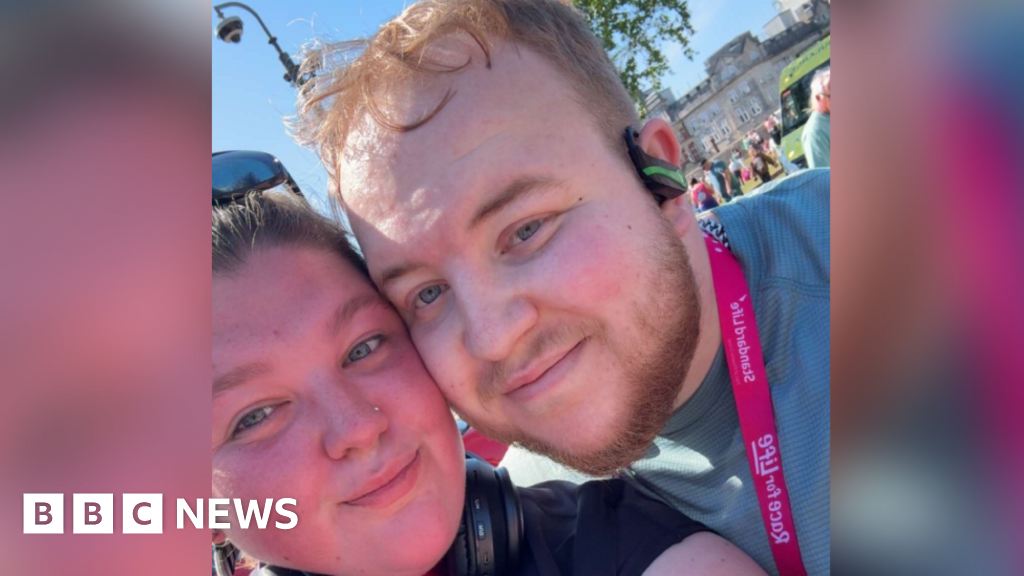
At the start of 2026, a BBC report sparked wide discussion among fitness enthusiasts worldwide: 21‑year‑old Welsh woman Leah Walsh successfully used artificial intelligence (AI) tools in place of a personal trainer to complete half marathon training and set a new personal best. The story not only reflects AI’s penetration into daily life but also highlights how technology can lower barriers to fitness and improve efficiency. Based on an article published by BBC Wales reporter Eleri Griffiths on 3 January 2026 and follow‑up coverage by The Guardian and the Daily Mail, AI fitness apps are becoming a post‑holiday fitness trend, helping users achieve personalized training while saving high costs.
Walsh is from Aberdare in Rhondda Cynon Taf, Wales. When she first took part in the Cardiff half marathon in 2024, she used an AI‑driven running app to create an 11‑week personalized training plan. The plan combined running and gym workouts and was adjusted to fit her lifestyle, including audio guidance and pace settings. Walsh said the AI tool allowed her to ask questions anytime without needing to book a coach. She emphasized, “With AI, you have to motivate yourself, and I like that.” By 2025 she switched to a cheaper AI tool to further optimize her training and ultimately finished the race one minute faster than her target time, setting a personal record. The experience convinced her that AI can provide flexible, effective guidance without interpersonal pressure.
Also benefiting was 23‑year‑old Swansea resident Richard Gallimore. After being forced to walk during a run due to exhaustion, he turned to a free AI tool to create fitness and diet plans. Gallimore trains about two hours a day and increased his bench press from 70kg to 110kg. “I’ve never felt this strong,” he said. These cases reflect AI’s practicality in fitness: it can generate customized plans from user data, monitor progress, and provide instant feedback. A November 2024 survey by consumer group Which? showed the average gym membership in the UK costs £38 per month, while private trainers charge £30–£65 for a 45–60 minute session (in London the rate is higher, about £45–£65). By contrast, AI tools can be free or cost just a few pounds per month, attracting budget‑conscious users.
However, AI is not万能. Cardiff‑based personal trainer Dafydd Judd, who has 12 years of experience and specializes in elderly and rehabilitation clients, acknowledged AI’s value for providing knowledge and education but stressed it lacks interpersonal interaction and accountability. “The more people rely on online tools, the more they crave human connection, because a computer lacks warmth and understanding,” Judd said. He noted that a 7 a.m. workout is something a coach can nag you into doing in a way a computer cannot. His view is supported by fitness industry experts: NHS reports indicate that human‑led guidance is more effective at maintaining motivation, especially for beginners. Although AI tools can simulate conversation, they may overlook personalized emotional support.
From a broader perspective, the trend stems from AI technology maturation. By 2025 fitness apps such as Nike Training Club and Freeletics had integrated large language models (LLMs) like the GPT series to provide real‑time adjustments. Statista projects the global digital fitness market could reach $50 billion by 2028, with significant growth in the Chinese market. Potential risks include data privacy breaches and algorithmic bias: AI generates plans based on user input, and inaccurate data can lead to injuries. The EU’s AI Act requires such tools to be transparent to prevent misleading claims.
Walsh and Gallimore’s stories suggest a democratization of fitness: AI makes professional guidance more accessible, especially during post‑holiday fitness peaks. But as Judd warned, technology—while efficient—cannot replace human warmth. In the future, hybrid models combining AI assistance with human supervision may become mainstream. The report reminds us that while technology is changing how we train, we must balance convenience with humanity.
▶️ Enjoy this article? Creating content is hard work!
Follow our YouTube channel:
AI Rosetta
Your likes, subscriptions and shares are our greatest support! 🙏
More AI news at: https://www.airosetta.com