
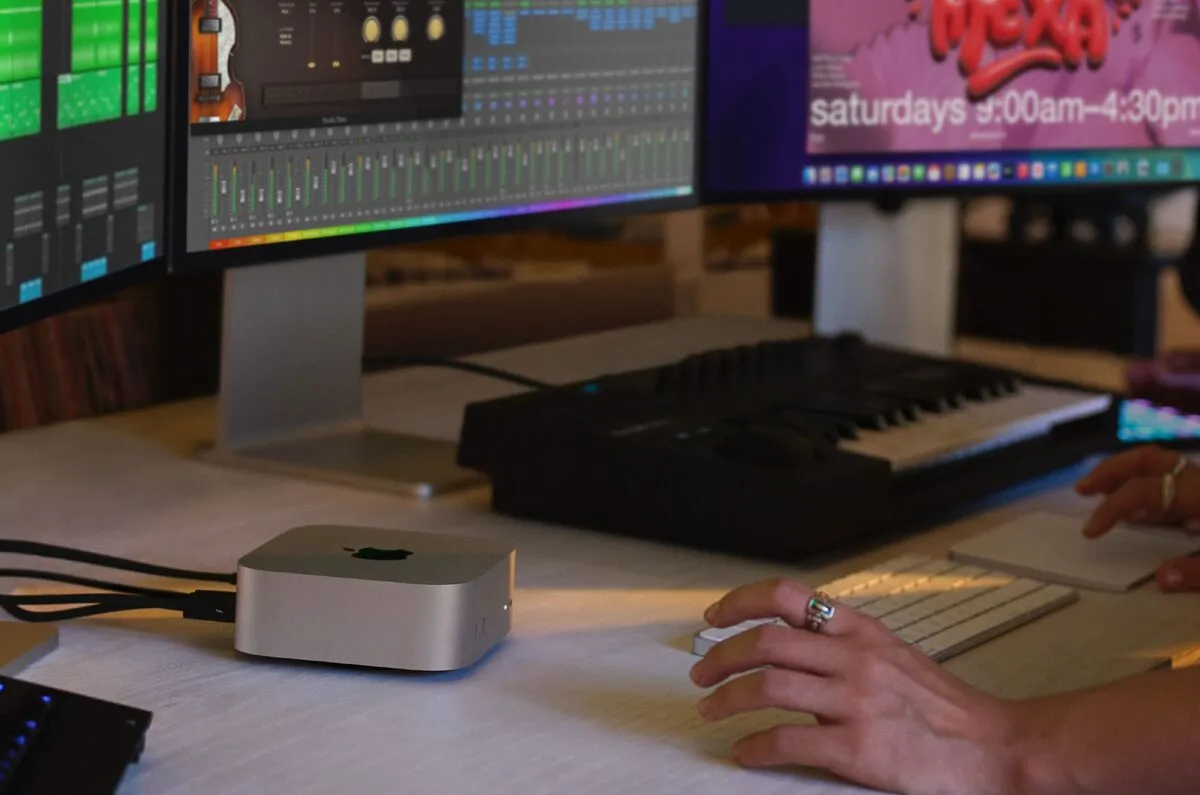
On May 1, 2026, Bloomberg reported that Apple quietly raised the Mac mini's starting price from $599 to $799. The previous entry‑level 256GB storage option has been discontinued; the new base model ships with an M4 processor and 512GB of storage. This adjustment stems directly from severe inventory shortages caused by surging AI demand and tight supplies of processor and memory chips. Apple CEO Tim Cook said on a recent earnings call that supply‑demand balance for the Mac mini and Mac Studio may take months to restore.
This price and configuration change is not a conventional across‑the‑board price increase, but an "effective price hike" implemented by eliminating the low‑spec model. The lower‑end Mac mini had sold out quickly as AI developers purchased in large volumes, forcing Apple to adjust its product lineup to match actual supply chain capacity.
AI frenzy fuels Mac mini demand surge
The Mac mini's compact size, high‑performance M4/M4 Pro chips and relatively approachable pricing have made it an ideal platform for running local AI agents. The popularity of "always‑on" AI tools in open‑source projects such as OpenClaw has led developers to favor the Mac mini as a private AI server—avoiding reliance on the cloud for better privacy and lower latency. Apple executives said this demand far exceeded company expectations, rapidly depleting inventory.
Memory chip shortages are another key factor. The global AI server market's surge in demand for high‑capacity DRAM has further squeezed consumer product supplies. Cook said at the earnings call that supply constraints for advanced‑process chips and memory components will continue to affect the Mac lineup for months to come.
Multiple impacts on consumers, Apple and the industry
1. Consumers: Higher entry barrier, more complex purchase decisions
The $200 increase in starting price, combined with extended delivery times of several months for optional higher‑end configurations, puts pressure on budget‑sensitive users. Entry‑level buyers may be forced to opt for higher storage versions or switch to other platforms. This could dampen some consumer demand in the short term, but it also reflects the higher computing requirements of the AI era. Consumers must weigh whether to "buy higher‑spec now" or "wait for supply to recover."
2. Apple strategy: AI as a new growth engine
The hot sales of the Mac mini highlight Apple's advantage in AI hardware positioning. The M‑series chips' efficiency and performance make them the preferred local AI platform. Despite supply‑chain challenges, AI‑driven demand is helping keep Apple's Mac business resilient. This also reinforces Apple's "hardware + AI software" ecosystem competitiveness and may drive further investment in chips and supply‑chain capabilities.
3. Supply‑chain and industry warning
The AI frenzy has exposed vulnerabilities in the global semiconductor supply chain. Shortages of memory and advanced‑process chips are not unique to Apple but pose a common challenge across the tech industry. The situation is expected to persist for months, prompting manufacturers to diversify suppliers, increase localization, and accelerate R&D in new process technologies.
4. Push to the AI ecosystem
The Mac mini's popularity accelerates the development of local AI agents. Developers can build privacy‑friendly, efficient AI applications without relying on cloud services. This may spur more open‑source tools and ecosystem innovation while encouraging competitors to pursue similar hardware optimizations. Cloud AI providers may, in turn, emphasize their scalability and ease‑of‑use advantages.
5. Broader market impact
The price adjustment could influence pricing strategies across the Mac product line and ripple through the PC market. AI‑driven demand may boost sales of high‑end computing devices but also widen the divide in the mid‑ and low‑end markets. In the long run, this could help shift AI from the cloud toward edge computing, driving computing architectures toward greater efficiency and localization.
Conclusion: A new hardware supply–demand normal in the AI era
Apple's Mac mini price increase is a direct result of the collision between explosive AI demand growth and supply‑chain realities. It reflects both the strong momentum of AI technology and a warning that the industry must proactively expand capacity to cope with similar fluctuations.
For Apple, this presents both opportunity and challenge—AI is becoming a new driver of hardware growth, but supply‑chain optimization will be critical. For consumers and developers, it means enjoying AI conveniences while adapting to higher entry costs and longer waits.
▶️ Enjoy this article? Creating content is hard!
Subscribe to our YouTube channel:
AI Rosetta
Your likes, subscriptions and shares are our greatest support! 🙏
More AI news at: https://www.airosetta.com