
September 14, 2026, after multiple delays, Apple officially released the next generation of Apple Intelligence and simultaneously introduced a completely redesigned Siri AI. This new Siri delivers personal context understanding, broad world knowledge, screen content awareness and richer system‑level app controls. Siri AI is being pushed today as an English beta with the 2027 system updates (iOS 27, iPadOS 27, macOS 27, etc.), and will expand to French, Japanese, Korean, Portuguese and Spanish next month.
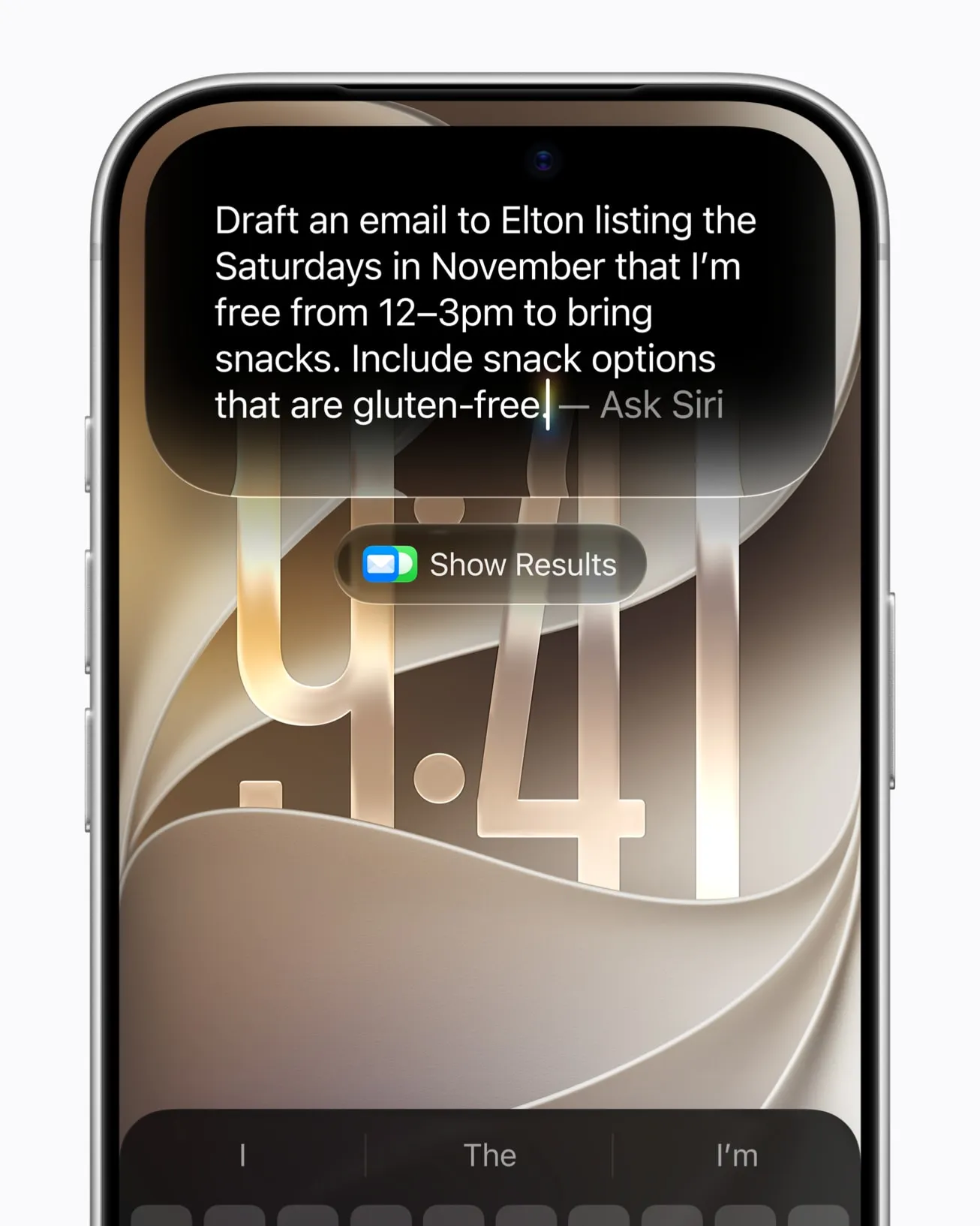
Details: From “voice assistant” to “personal intelligent assistant”
Apple describes Siri AI as a “completely reimagined” assistant, deeply integrated across iPhone, iPad, Mac, Apple Watch and Apple Vision Pro. Core capabilities include:
Personal context understanding
Siri AI can search across messages, mail, photos and other personal data to find relevant content. Users no longer need to remember where information is stored; they can ask “the restaurant my friend mentioned last time” or “the photos from last year’s trip,” and the system will extract and consolidate answers from local and authorized data.
Screen content awareness
The assistant can understand the current screen content and act accordingly. For example, while browsing a sports team’s official site, a user can ask Siri to find all home games and add them directly to the calendar; or ask questions about the text, images or webpages on screen and trigger follow‑up actions.
Broad world knowledge and conversational ability
Combining the latest online information, Siri AI can answer questions on almost any topic and supports multi‑turn follow‑ups, making interactions closer to natural conversation. Users can also extend responses into deeper discussions.
System‑level app operations
Siri supports completing more complex tasks across apps, such as drafting an email from scratch, editing and sharing a set of photos, or converting conversation content into todos or notes. Some third‑party apps have already begun integrating, and the scope of support will continue to grow.
Apple has also enhanced Apple Intelligence features such as Photos editing, Safari smart browsing and Image Playground photorealistic image generation, making everyday apps more personalized and practical. Siri AI can also save and review conversation history through a new dedicated app.
Rollout and limits
Siri AI is released as a beta; users must opt in via Settings (in some cases they may enter a waitlist). Initial availability is English only; some EU platforms (iOS/iPadOS/watchOS) and the China market are temporarily not supported for regulatory reasons. Some advanced on‑device model features require higher device chip and memory specifications.
Potential impact: ecosystem, competition and the privacy balance
1. Impact on user experience
Siri has long been criticized for limited understanding and execution. If this rework delivers on “personal context + screen awareness + cross‑app actions,” it could significantly improve the assistant’s usefulness in real scenarios, shortening the path from “ask” to “complete” and reinforcing Apple devices as a daily hub.
2. Impact on the Apple ecosystem
Deep system integration is a traditional Apple strength. Siri AI’s tight coupling with the operating system and privacy architecture could create a differentiated experience, especially in multi‑device coordination and local‑first processing. This may further increase user stickiness across iPhone, Mac and other products.
3. Industry competition
With Google, OpenAI, Anthropic and others rapidly iterating on general assistants, Apple is pursuing a “personal intelligence” path focused on privacy and system depth. Success will depend on the reliability of completing complex tasks and the speed of language and region expansion. If it performs well, it could redefine expectations for device‑native assistants.
4. Privacy and regulatory dimension
Apple emphasizes that the new architecture is designed to protect user privacy. Local processing of personal data with limited cloud coordination is a core selling point, but it also faces functional limits and regulatory compliance challenges. The delayed rollout in the EU and China reflects these real constraints.
5. Potential challenges
Beta‑stage stability, the waitlist mechanism, device requirements for advanced features, and the quality of multilingual expansion will all affect early reception. If capabilities fall short of promises, the update could revive criticism that it is more hype than substance.
Conclusion
The formal arrival of the next‑generation Apple Intelligence and the rebuilt Siri AI marks an important step for Apple in the generative AI era: moving beyond basic voice control toward a system‑level assistant that understands personal context, perceives screen content and acts across apps. The English beta rollout starting today and the multilingual expansion next month will be a critical window to test this vision.
For users, this is Siri’s closest move to being “truly useful” in years; for the industry, it is a public test of whether Apple’s privacy‑and‑integration strategy can succeed. Real‑world performance, completion rates and user feedback will determine the long‑term significance of this rework.
▶️ Enjoy this article? Creation is hard work!
Follow our YouTube channel:
AI Rosetta
Your likes, subscriptions and shares are our greatest support! 🙏
More AI news at: https://www.airosetta.com