
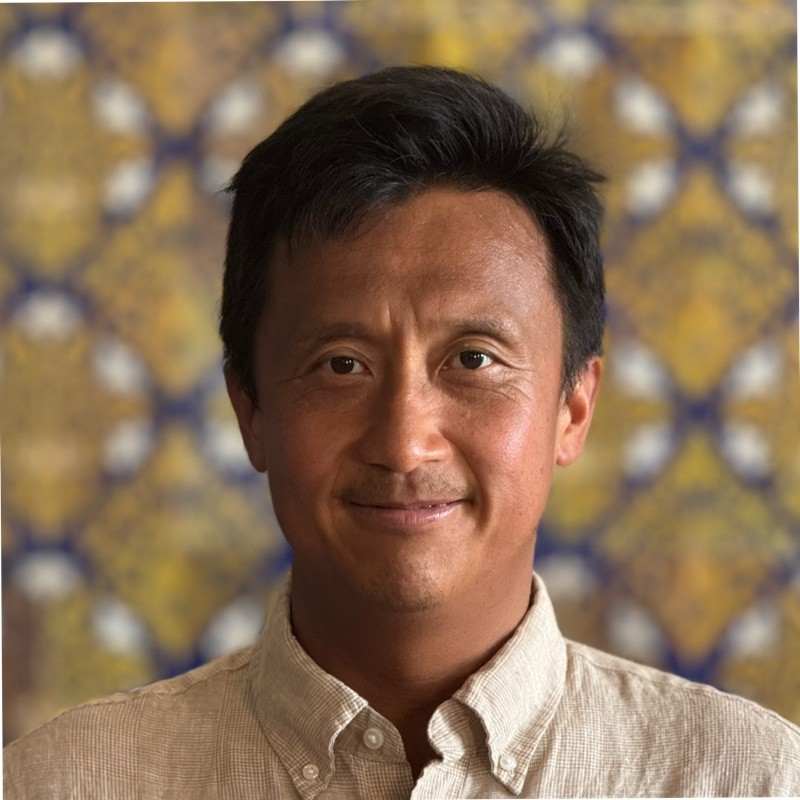
On October 15, 2025, Apple’s AI division took another hit: Ke Yang, the newly appointed head of the AI search project, announced his departure to join rival Meta Platforms. The move marks further upheaval in Apple’s AI leadership and highlights the company’s disadvantage in Silicon Valley’s talent war. According to Reuters, Ke Yang had been leading a ChatGPT‑like AI‑driven web search project; his departure came just months after the launch of Apple Intelligence (Apple’s AI framework). Bloomberg News confirmed Yang’s exit was the 12th senior change in Apple’s AIML (AI and machine learning) team this year, following the outflow of several key figures, including former AI model lead Ruoming Pang, who also moved to Meta for a lucrative offer. These events not only expose internal instability at Apple but also underscore that its AI strategy faces severe challenges: from technological lag to talent loss and market pressure, Apple’s "privacy‑first" path appears difficult to reconcile with the aggressive pushes of competitors like OpenAI, Google and Meta.
Apple’s AI journey was meant to be a natural extension of its ecosystem, but leadership churn reveals deeper issues. As early as July 2025, CNBC reported that Wall Street investors were questioning Apple’s AI execution and worried the company might be unable to rely on AI innovation to offset slowing iPhone sales. Phandroid has suggested this wave of departures could delay a major Siri upgrade planned for 2026, reinforcing public perceptions that Apple is falling behind in AI. Taken together with prior senior changes, this episode has become emblematic of Apple’s AI strategy woes.
Ke Yang’s departure: details of the move from Apple to Meta
Yang’s exit drew particular attention because he was recently appointed to lead Apple’s "Answers, Knowledge and Information" (AKI) team, which is focused on building advanced AI search capabilities that directly target ChatGPT‑style conversational queries. MacRumors reported that Yang previously reported to Apple AI/ML chief John Giannandrea and that Benoit Dupin will replace him, but the change could interrupt the AKI project’s momentum. 9to5Mac noted Yang’s background includes work at Google, making his move to Meta unsurprising as Meta is heavily investing in AI infrastructure and social AI applications.
The episode is not isolated. TechCrunch pointed out Yang’s departure was the second major talent loss from Apple’s AIML unit this year; earlier, Ruoming Pang (former head of AI models) also joined Meta and roughly a dozen team members left with him. PYMNTS has argued this brain drain exacerbates Apple’s AI crisis, especially during a critical development period for Siri and Apple Intelligence. Yang’s role was intended to be a strategic pillar in Apple’s response to AI competition, and his departure directly affects the company’s plans to integrate AI across the iOS ecosystem.
Ke Yang: from CMU graduate to AI engineering leader
Ke Yang is a prominent software engineering leader with a 15‑year career focused on AI and machine learning innovation. According to NDTV Profit, Yang earned his undergraduate degree from Tsinghua University in Beijing and his doctorate from Carnegie Mellon University—two top institutions in computer science that provided a strong theoretical foundation. He joined Apple in 2019 after working at Google, gaining extensive experience in search and AI infrastructure. At Apple, Yang quickly rose through the ranks, initially contributing to parts of the AI model teams before shifting toward search and knowledge information processing. His LinkedIn profile describes him as an "engineer and leader," having served as both an individual contributor and an engineering manager with a track record of turning AI research into products.
At Apple, Yang’s responsibilities expanded steadily. Mashable reported he led core elements of Apple’s Answers, Knowledge and Information (AKI) team, which focused on building ChatGPT‑style features for Siri, including real‑time web data retrieval and fact‑based response generation. Weeks before his departure, Yang was named full head of the AKI team, reporting directly to Apple AI/ML senior vice president John Giannandrea. The promotion was a career highlight but also exposed internal turmoil: he succeeded Robby Walker, who had also departed the AI division. TechCrunch emphasized Yang’s work pushed Siri modernization forward, helping Apple narrow the gap with OpenAI and Google Gemini. His contributions included improving the timeliness and accuracy of AI‑driven search so Siri could move from relying on preloaded data to dynamic web interactions. Yang’s move reflects his professional priorities: Meta’s Superintelligence Labs offers a broader platform to productize AI research for consumers.
Yang’s background makes him a typical example in the AI talent war. Axios reported he will join a Meta team focused on productizing AI—a natural fit with his search‑oriented work at Apple. As a CMU alumnus, Yang’s academic training in machine learning and natural language processing is well known in Silicon Valley AI circles. His departure is both a personal choice and a symbol of an industry trend in which top talent seeks more aggressive innovation environments.
Historical context of Apple’s AI leadership churn
Apple’s AI leadership instability is not new. 2025 has already seen multiple departures with cascading effects. AppleInsider reported earlier this year that several members of the AIML team left, including the team led by Pang, slowing Apple’s progress in generative AI. Bloomberg added that Pang’s group focused on foundational model training and his exit exposed weaknesses in Apple’s ability to retain AI talent. Reddit discussions have also noted Apple lost other key personnel in 2025, including engineers responsible for privacy‑focused AI work—an outcome that appears at odds with the company’s "privacy‑first" strategy.
These departures stem from fierce Silicon Valley competition. LinkedIn News noted Meta attracts talent with high pay (average annual compensation often above $500,000) and equity incentives, while Apple’s conservative culture and slower AI pace have frustrated employees. WISC Business reported that the launch of Apple Intelligence intensified dissatisfaction with Siri, as user feedback showed it lagged behind ChatGPT in conversational AI, further fueling internal disruption. Overall, the changes create a vicious cycle: talent loss delays projects and damages morale.
The intensifying AI talent war in Silicon Valley
Yang’s move is a microcosm of the AI talent war. Yahoo Finance reported Meta has become a major "headhunter" of Apple talent, recruiting multiple AI experts this year to support its Llama models and social AI initiatives. Reuters emphasized this competition is driven by explosive AI demand: global AI job openings have reached the millions and median salaries have surged to around $500,000. Meta’s appeal lies in its open‑source stance and rapid iteration, while Apple’s closed ecosystem is seen by some as limiting innovation.
At a broader level, CNBC noted Apple is at a disadvantage in the talent war: its AI investment is relatively conservative (2025 budgets reportedly about one‑third of Meta’s), prompting employees to move to OpenAI and Google. LinkedIn data shows Silicon Valley AI turnover hit 15% this year, with Apple’s attrition among the highest. This intensifies Apple’s challenge: as rivals accelerate, its talent pool is being eroded.
Severe tests for Apple’s AI strategy
These developments expose core issues in Apple’s AI strategy. First, technological lag: CNBC reported investors urging Apple to overhaul its approach because, while its AI hardware (such as M‑series chips) is strong, software components like Siri lag competitors. WISC Business analysis says Apple Intelligence has heightened dissatisfaction with Siri and underscored its weakness in generative AI. A Medium deep dive argues Apple’s privacy‑first stance, while an advantage, limits data availability for training and causes model performance to lag behind OpenAI’s GPT series.
Second, internal management problems: WindowsForum reported Apple faces securities‑fraud allegations tied to insufficient AI transparency in 2025. Klover AI analysis states Apple’s vertical integration is a strength but AI requires cross‑boundary collaboration, and the company’s conservative culture hinders innovation. Market pressure is increasing: Reddit threads suggest Apple is being urged to acquire cloud AI solutions, a move that would conflict with its long‑term strategy. Phandroid warned leadership churn could delay a Siri overhaul and affect AI features in the iPhone 17.
Finally, external competition: Gadget Hacks noted that while Apple’s brand leadership is strong, its AI strategy must be winningly designed or it risks losing to Meta’s open ecosystem. TechBuzz AI called Yang’s departure the latest example of Apple’s AI troubles.
Conclusion: Apple at a crossroads
Ke Yang’s exit, coupled with prior upheaval, indicates Apple’s AI strategy faces unprecedented challenges. Talent losses not only delay projects but also weaken its competitiveness in the AI era. LinkedIn suggests Apple must strengthen incentives and collaboration to reverse the trend. If Apple cannot accelerate AI integration, its ecosystem advantages may be eroded. Still, as Sundar Pichai has said, AI is an opportunity—if Apple can combine its privacy focus with accelerated innovation, it may yet reverse course.