
As artificial intelligence increasingly permeates all aspects of our lives, AI‑driven plush toys are emerging as a new trend on the market. These toys are more than simple stuffed animals; they embed advanced chatbot algorithms that can hold natural conversations with children and even, to some extent, mimic human emotional responses.
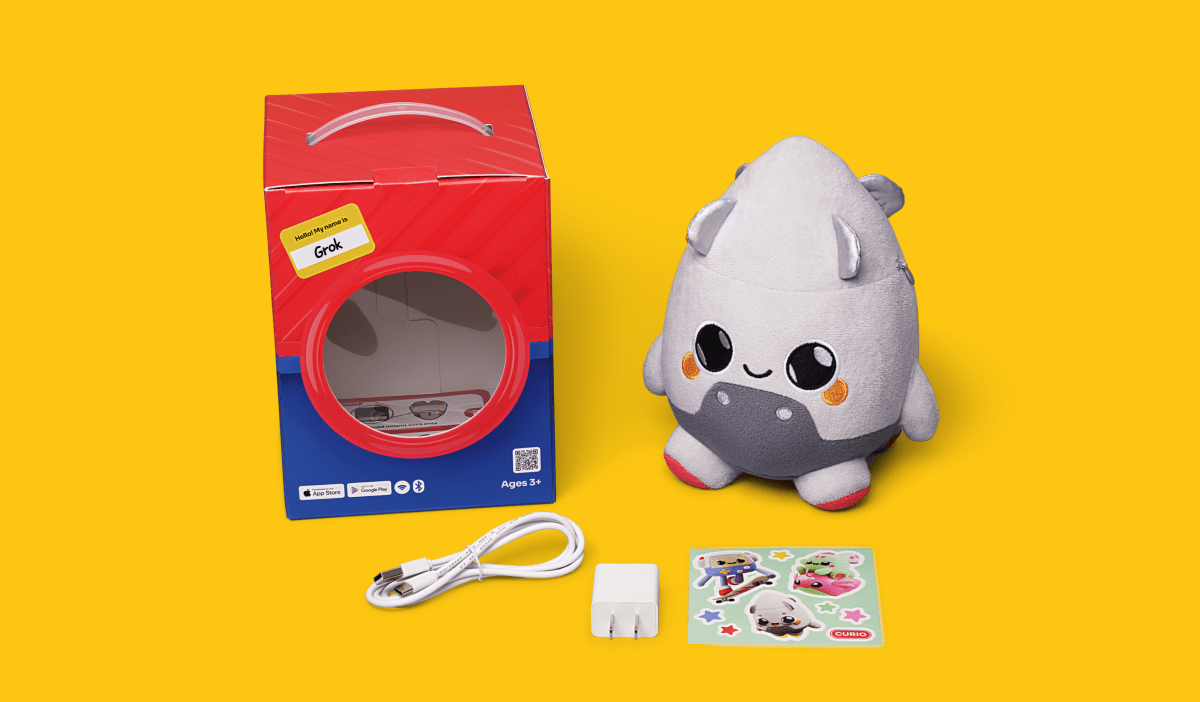
TechCrunch's report detailed an AI plush toy called "Grok." Equipped with voice recognition and natural language processing, the toy can understand children's questions and provide creative, highly companionable responses. The designers hope it will reduce children's reliance on electronic screens and help address the widespread issue of excessive screen time in modern society.
Inside the box, users find not only a soft, well‑crafted plush but also built‑in microphone and speaker hardware to ensure smooth interaction. Children can ask Grok various "why" questions or engage in simple storytelling interactions, such as: "How was your day today?" or "Tell me a bedtime story." This interaction is unique and educational, capable of sparking children's curiosity and imagination.
However, the product is not without controversy. On privacy protection, parents are anxious about how voice data is stored and whether it is subject to tiered filtering. Manufacturers promise that all conversations are end‑to‑end encrypted and that sensitive information will not be uploaded to the cloud. But relevant regulations and industry standards are still being developed, and how to balance safety and user experience remains a focal point of ongoing discussion.
Additionally, some education experts question whether AI plush toys can truly replace face‑to‑face social interactions between children and parents or peers. They argue that although technology gives toys the ability to "accompany," they lack the unique emotional resonance and nonverbal communication between humans, and long‑term reliance may affect children's social skill development.
It is worth noting that such AI toys on the market are relatively affordable, targeting children aged 3 to 8. Manufacturers use playful voice companionship to cleverly combine technology with cute designs, allowing children to gain inspiration and companionship through play. At the same time, this opens up new possibilities for crossovers between AI and children's consumer goods.
In the end, TechCrunch's report quoted several psychologists and tech experts who called on the industry to pay attention to ethical boundaries, raise data security standards, and focus on content in product design that truly promotes children's development. Although AI plush toys are a highly promising emerging trend, they still need real‑world testing before they can become ideal companions for children.